


Home
Dividing Africa with Policy: the Influence of Union for Mediterranean on Unity and Security
Barnes and Noble
Loading Inventory...
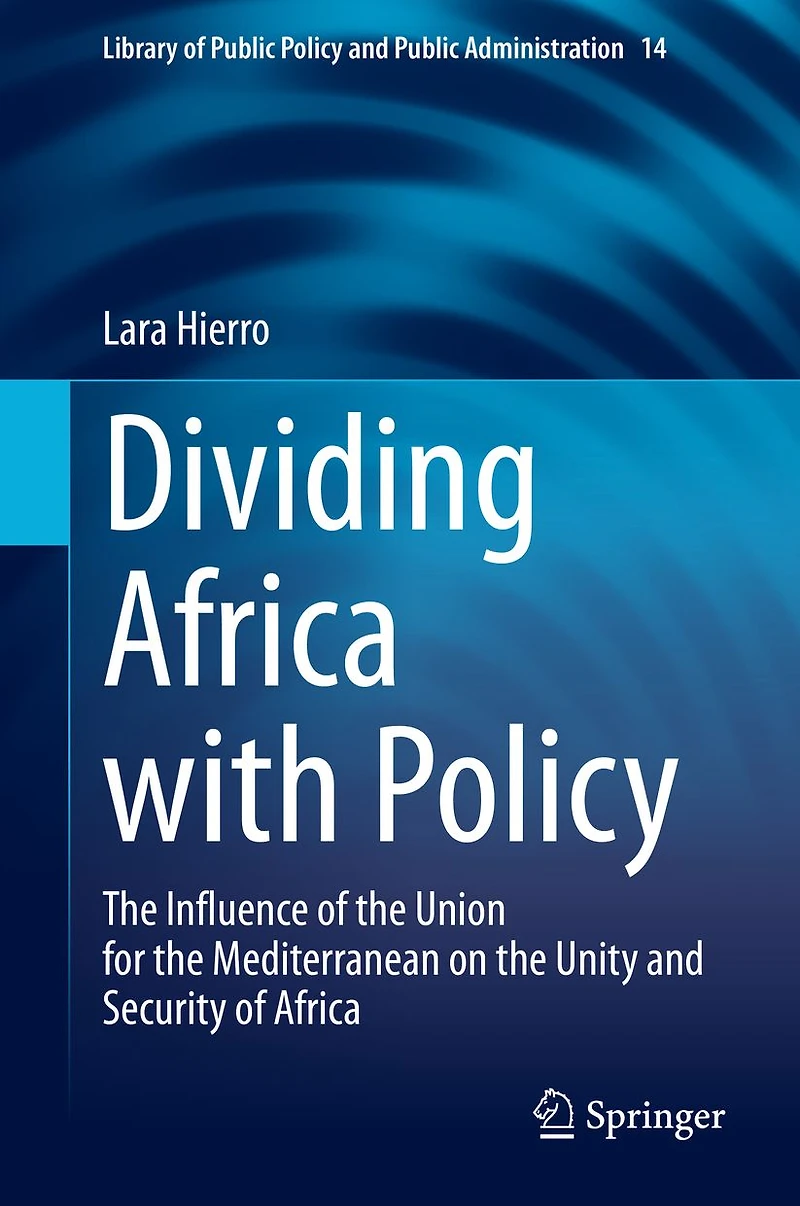
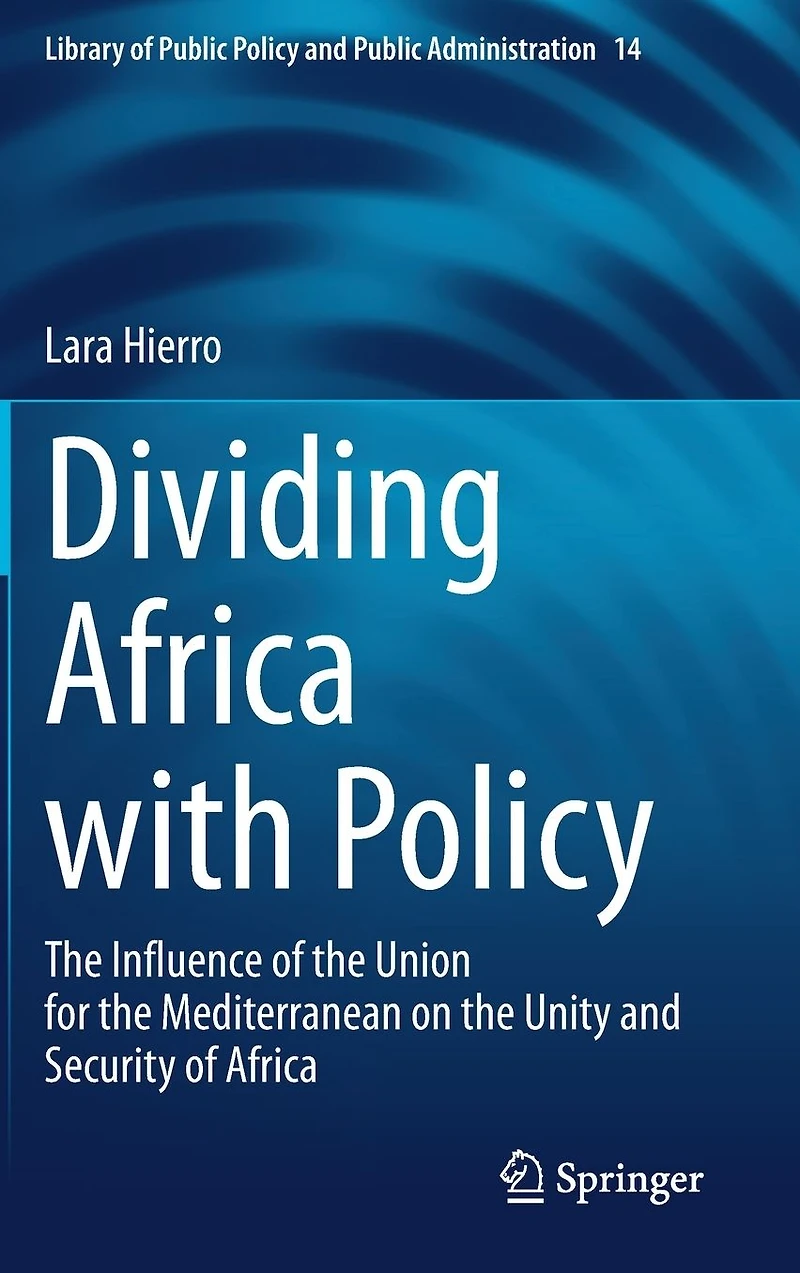
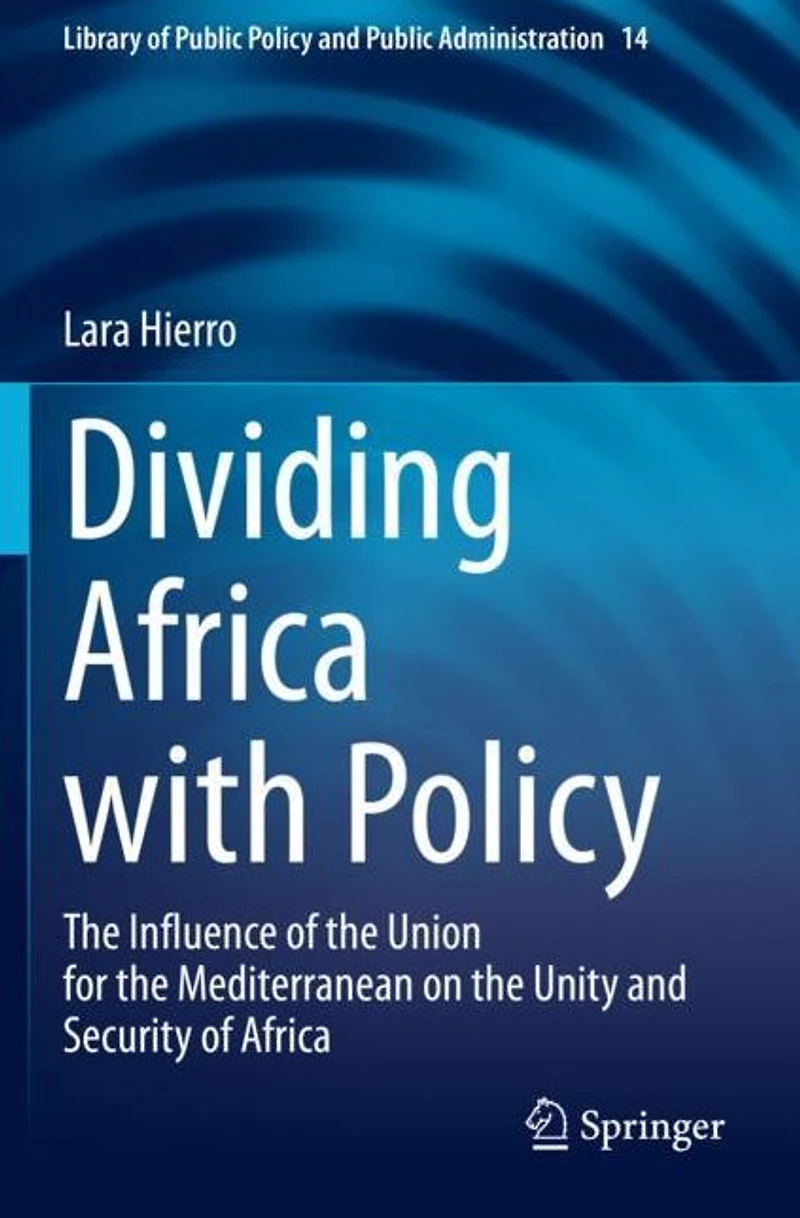
Dividing Africa with Policy: the Influence of Union for Mediterranean on Unity and Security in Bloomington, MN
By Barnes & Noble
Current price: $54.99

Dividing Africa with Policy: the Influence of Union for Mediterranean on Unity and Security in Bloomington, MN
Current price: $54.99
Loading Inventory...
Size: EBook
This book addresses timely concerns of rising African nationalism and the 2nd decolonisation in Africa. The wholesale rejection of all things considered ‘Western’ is seen to be a result of ‘integrationalism’, defined as the specific kind of methodology by which EU foreign policy engagement may be interpreted. Using complexity theory and panarchy, a specific arrangement of interacting complex adaptive systems together with a ‘resilience assessment’, the EU’s foreign policy is shown to be undermining the aims of the premier African institution, the AU, created to provide unity and security on the continent: the EU pursues these objectives in its own image rather than honouring African values. This book raises awareness of these issues, as well as to widen the application of the theoretical framework in international relations and politics, which is becoming increasingly important in a complex world. The aim of this book is to show that the negative isolationism pursued in order to counteract western influence is not the answer and can be avoided through this awareness.
This book addresses timely concerns of rising African nationalism and the 2nd decolonisation in Africa. The wholesale rejection of all things considered ‘Western’ is seen to be a result of ‘integrationalism’, defined as the specific kind of methodology by which EU foreign policy engagement may be interpreted. Using complexity theory and panarchy, a specific arrangement of interacting complex adaptive systems together with a ‘resilience assessment’, the EU’s foreign policy is shown to be undermining the aims of the premier African institution, the AU, created to provide unity and security on the continent: the EU pursues these objectives in its own image rather than honouring African values. This book raises awareness of these issues, as well as to widen the application of the theoretical framework in international relations and politics, which is becoming increasingly important in a complex world. The aim of this book is to show that the negative isolationism pursued in order to counteract western influence is not the answer and can be avoided through this awareness.
Shop Similar Products











Find at Mall of America® in Bloomington, MN
Visit at Mall of America® in Bloomington, MN