


Home
Dickens and Democracy the Age of Paper: Representing People
Barnes and Noble
Loading Inventory...
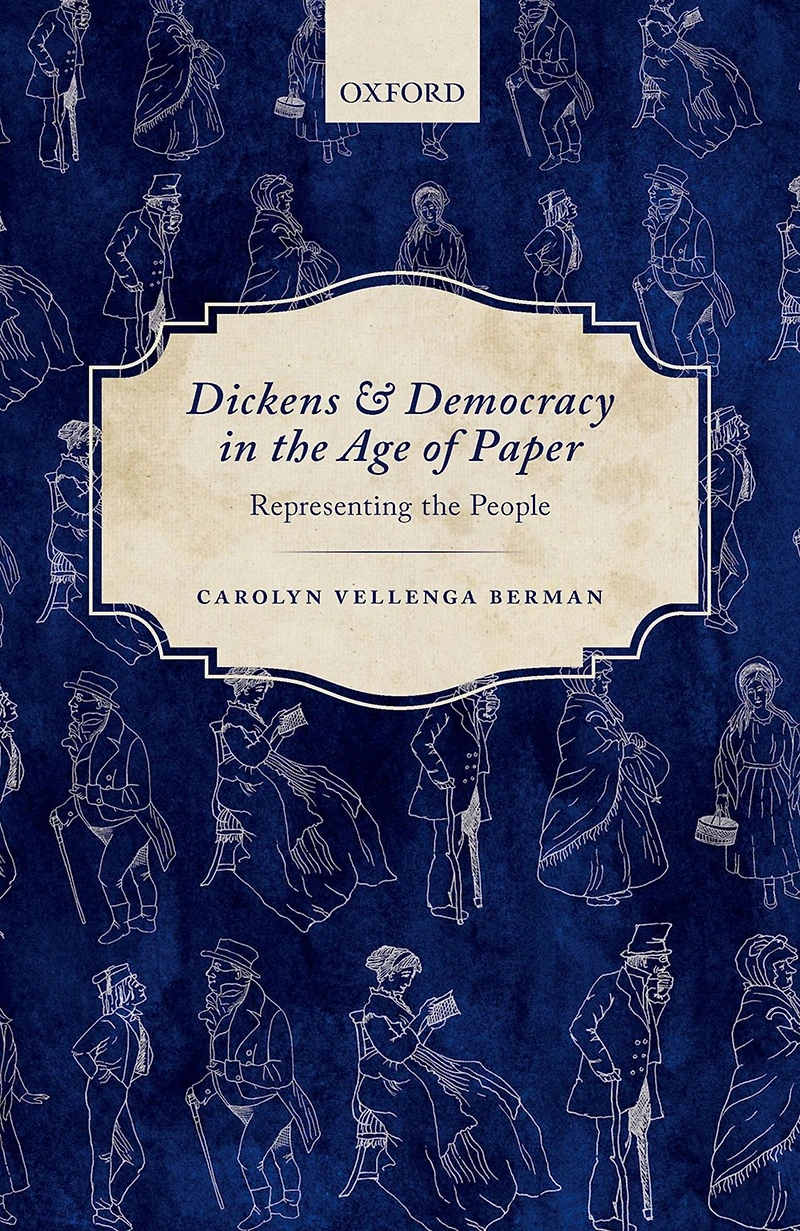
Dickens and Democracy the Age of Paper: Representing People in Bloomington, MN
By Barnes & Noble
Current price: $115.99

Dickens and Democracy the Age of Paper: Representing People in Bloomington, MN
Current price: $115.99
Loading Inventory...
Size: EBook
This book examines Charles Dickens's fiction alongside publications emanating from Parliament. It argues that Dickens and Parliament were engaged in competitive efforts to represent the People at a crucial moment in the history of representative democracywhen the British government was under enormous political pressure to expand the franchise beyond a narrow band of male landowners. Contending that fiction and the literature of Parliament interacted at a host of levelsjostling one another in the same bookshopsit reads Dickens's novels in tandem with blue books, the practice texts of shorthand manuals, and Dickens's journalism. It shows how his fiction mocks parliamentary form (as in Pickwick Papers), canvasses the history of parliamentary representation (as in Bleak House), and depicts the relation of the People to the state as well as commerce (as in Little Dorrit). It thus rethinks the history of the Victorian novel by examining its rivalry with Parliament in the expanding world of print publication.
This book examines Charles Dickens's fiction alongside publications emanating from Parliament. It argues that Dickens and Parliament were engaged in competitive efforts to represent the People at a crucial moment in the history of representative democracywhen the British government was under enormous political pressure to expand the franchise beyond a narrow band of male landowners. Contending that fiction and the literature of Parliament interacted at a host of levelsjostling one another in the same bookshopsit reads Dickens's novels in tandem with blue books, the practice texts of shorthand manuals, and Dickens's journalism. It shows how his fiction mocks parliamentary form (as in Pickwick Papers), canvasses the history of parliamentary representation (as in Bleak House), and depicts the relation of the People to the state as well as commerce (as in Little Dorrit). It thus rethinks the history of the Victorian novel by examining its rivalry with Parliament in the expanding world of print publication.
Shop Similar Products








Find at Mall of America® in Bloomington, MN
Visit at Mall of America® in Bloomington, MN