


Home
Dialoghi
Barnes and Noble
Loading Inventory...
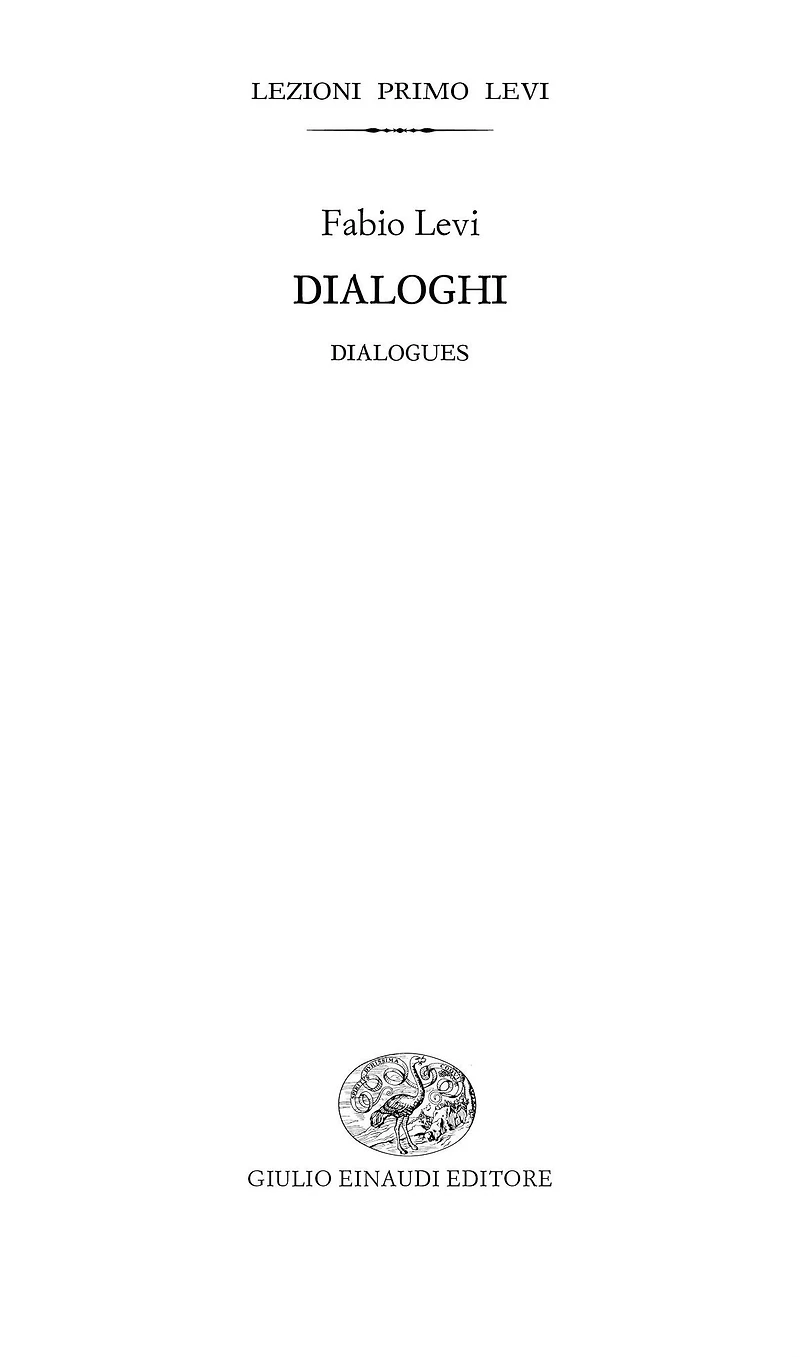
Dialoghi in Bloomington, MN
By Barnes & Noble
Current price: $11.99

Dialoghi in Bloomington, MN
Current price: $11.99
Loading Inventory...
Size: EBook
«Io sono uno che ha bisogno di comunicare molto, se non riesco a comunicare soffro, ho bisogno di parlare o scrivere, avere se possibile una comunicazione ad andata e ritorno». In questa frase, cosí semplice e diretta, si avverte una molteplice urgenza: di esprimersi e di ascoltare trovando interlocutori ovunque, di ogni età, condizione sociale e livello culturale. Primo Levi ha raccontato - di Auschwitz e di molto altro - agli studenti italiani nati nel dopoguerra e ai tedeschi dell'èra post-nazista, ma anche al se stesso di quarant'anni dopo il Lager, in dialoghi che ha saputo costruire con pazienza, schiettezza e intelligenza. Nell'illustrarne trame e intonazioni questa Lezione si rivolge a un sempre rinnovato interlocutore di Levi: il lettore di oggi e di domani.***"I am a person who needs to communicate constantly, who suffers if he cannot communicate. I need to speak and to write, to have a two-way communication, if possible." This sentence, so simple and direct, reveals a multitude of compelling needs: to express himself and to listen, finding interlocutors everywhere, of every age, social condition, and level of culture. Primo Levi spoke - about Auschwitz and much more - to Italian students who were born after WWII, to Germans from the post-Nazi era, and also to the person he had become forty years after the Lager, in dialogues he constructed with patience, straightforwardness, and intelligence. As it illustrates the various weaves and inflections, this Lezione addresses Levi's ever-renewing pool of interlocutors: the readers of today and tomorrow.
«Io sono uno che ha bisogno di comunicare molto, se non riesco a comunicare soffro, ho bisogno di parlare o scrivere, avere se possibile una comunicazione ad andata e ritorno». In questa frase, cosí semplice e diretta, si avverte una molteplice urgenza: di esprimersi e di ascoltare trovando interlocutori ovunque, di ogni età, condizione sociale e livello culturale. Primo Levi ha raccontato - di Auschwitz e di molto altro - agli studenti italiani nati nel dopoguerra e ai tedeschi dell'èra post-nazista, ma anche al se stesso di quarant'anni dopo il Lager, in dialoghi che ha saputo costruire con pazienza, schiettezza e intelligenza. Nell'illustrarne trame e intonazioni questa Lezione si rivolge a un sempre rinnovato interlocutore di Levi: il lettore di oggi e di domani.***"I am a person who needs to communicate constantly, who suffers if he cannot communicate. I need to speak and to write, to have a two-way communication, if possible." This sentence, so simple and direct, reveals a multitude of compelling needs: to express himself and to listen, finding interlocutors everywhere, of every age, social condition, and level of culture. Primo Levi spoke - about Auschwitz and much more - to Italian students who were born after WWII, to Germans from the post-Nazi era, and also to the person he had become forty years after the Lager, in dialogues he constructed with patience, straightforwardness, and intelligence. As it illustrates the various weaves and inflections, this Lezione addresses Levi's ever-renewing pool of interlocutors: the readers of today and tomorrow.
Shop Similar Products









Find at Mall of America® in Bloomington, MN
Visit at Mall of America® in Bloomington, MN