


Home
Design Principles and Methodologies: From Conceptualization to First Prototyping with Examples Case Studies
Barnes and Noble
Loading Inventory...
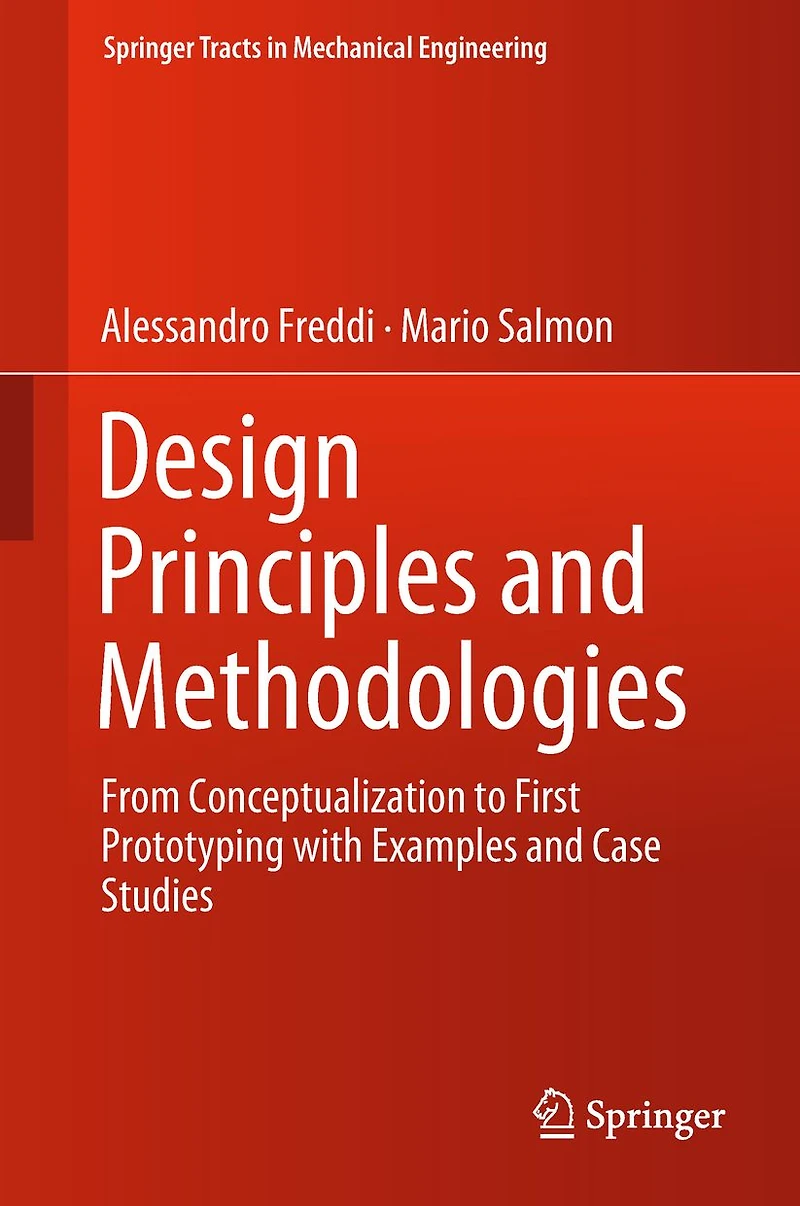

Design Principles and Methodologies: From Conceptualization to First Prototyping with Examples Case Studies in Bloomington, MN
By Barnes & Noble
Current price: $99.00

Design Principles and Methodologies: From Conceptualization to First Prototyping with Examples Case Studies in Bloomington, MN
Current price: $99.00
Loading Inventory...
Size: EBook
This book introduces readers to the core principles and methodologies of product development, and highlights the interactions between engineering design and industrial design. It shows to what extent the two cultures can be reconciled, and conversely what makes each of them unique. Although the semantic aspect is fundamental in industrial design, while the functional aspect is essential for the industrial product, the interaction between the two worlds is strategically vital. Design is also a strategic problemsolving process that drives innovation, builds business success and leads to better quality of life through innovative products, systems, services and experiences. The book connects product development with the concepts and strategies of innovation, recognizing that product design is a complex process in which invention, consumers’ role, industrial technologies, economics and the social sciences converge. After presenting several examples of artifacts developed up to the conceptual phase or built as prototypes, the book provides a case study on a packaging machine, showcasing the principles that should underlie all design activities, and the methods that must be employed to successfully establish a design process. The book is primarily targeted at professionals in the industry, design engineers and industrial designers, as well as researchers and students in design schools, though it will also benefit any reader interested in product design.
This book introduces readers to the core principles and methodologies of product development, and highlights the interactions between engineering design and industrial design. It shows to what extent the two cultures can be reconciled, and conversely what makes each of them unique. Although the semantic aspect is fundamental in industrial design, while the functional aspect is essential for the industrial product, the interaction between the two worlds is strategically vital. Design is also a strategic problemsolving process that drives innovation, builds business success and leads to better quality of life through innovative products, systems, services and experiences. The book connects product development with the concepts and strategies of innovation, recognizing that product design is a complex process in which invention, consumers’ role, industrial technologies, economics and the social sciences converge. After presenting several examples of artifacts developed up to the conceptual phase or built as prototypes, the book provides a case study on a packaging machine, showcasing the principles that should underlie all design activities, and the methods that must be employed to successfully establish a design process. The book is primarily targeted at professionals in the industry, design engineers and industrial designers, as well as researchers and students in design schools, though it will also benefit any reader interested in product design.
Shop Similar Products


















Find at Mall of America® in Bloomington, MN
Visit at Mall of America® in Bloomington, MN