


Home
Democracy Darkness: Secrecy and Transparency the Age of Revolutions
Barnes and Noble
Loading Inventory...
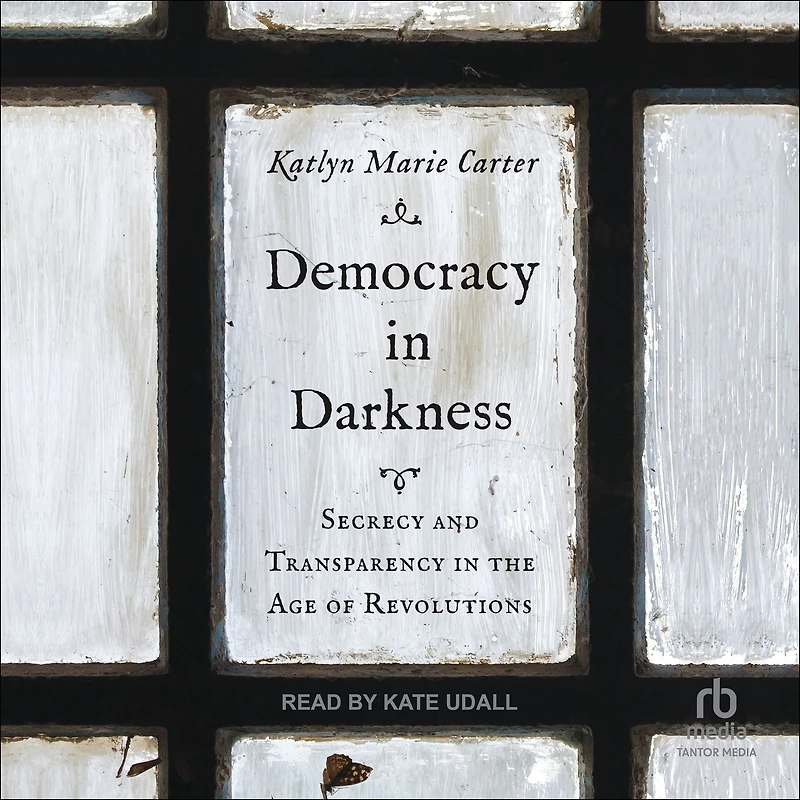
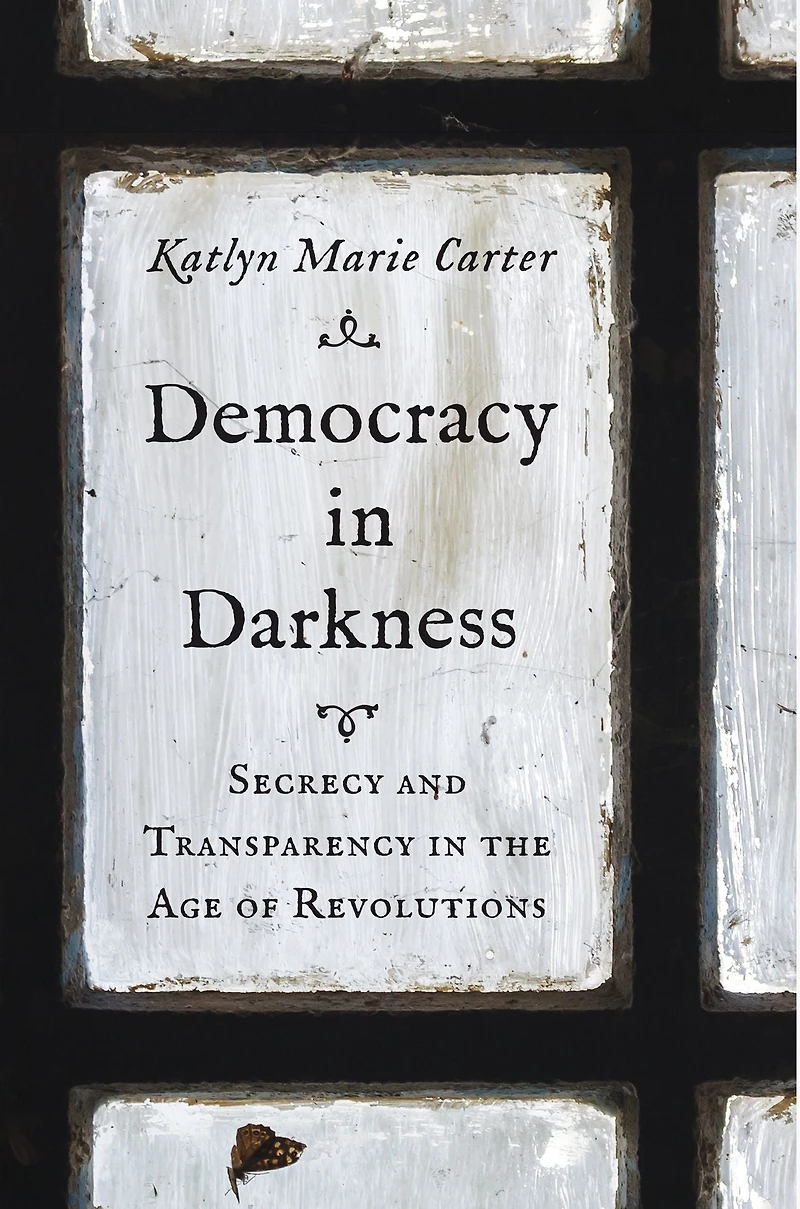
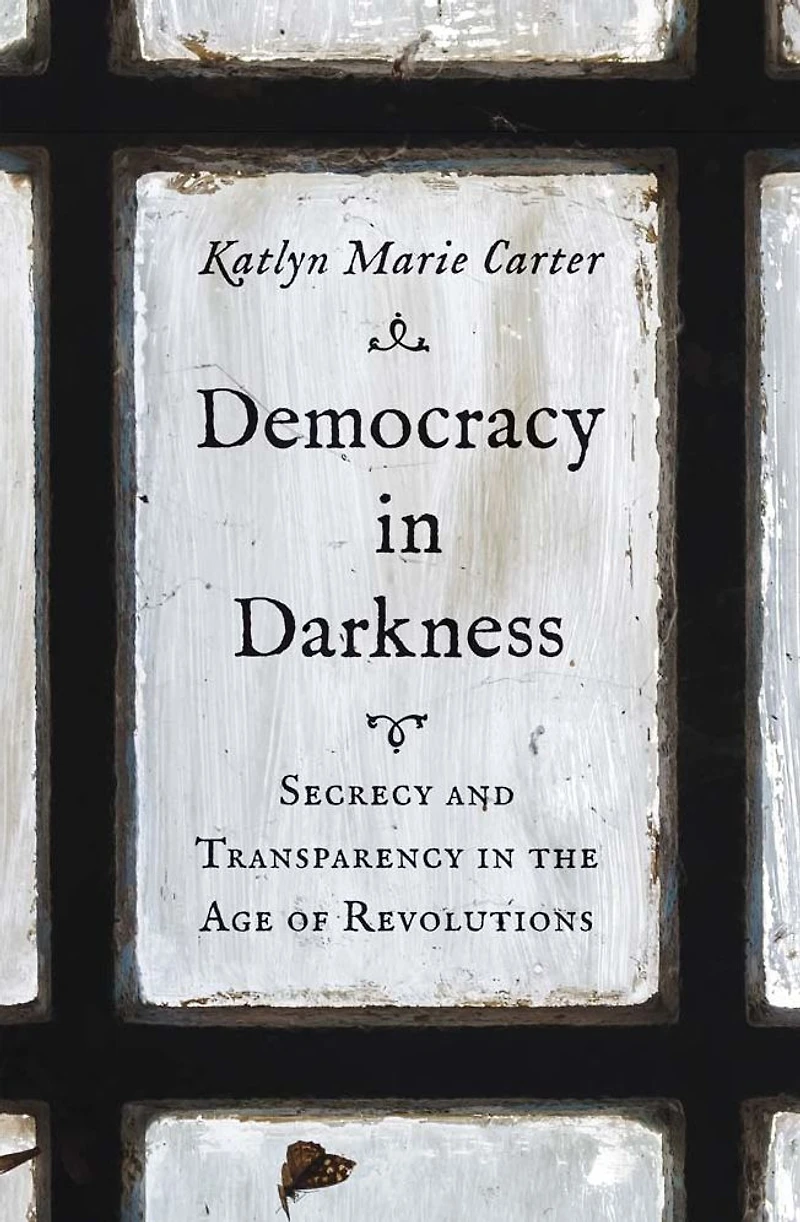
Democracy Darkness: Secrecy and Transparency the Age of Revolutions in Bloomington, MN
By Barnes & Noble
Current price: $24.99

Democracy Darkness: Secrecy and Transparency the Age of Revolutions in Bloomington, MN
Current price: $24.99
Loading Inventory...
Size: Audiobook
How debates over secrecy and transparency in politics during the eighteenth century shaped modern democracy “Thoughtprovoking. . . . As Carter’s history shows with wonderful nuance, democratic governance is about a process of ongoing negotiation, not merely being in the know.”—Bronwen Everill, Foreign Policy Does democracy die in darkness, as the saying suggests? This book reveals that modern democracy was born in secrecy, despite the widespread conviction that transparency was its very essence. In the years preceding the American and French revolutions, state secrecy came to be seen as despotic—an instrument of monarchy. But as revolutionaries sought to fashion representative government, they faced a dilemma. In a context where gaining public trust seemed to demand transparency, was secrecy ever legitimate? Whether in Philadelphia or Paris, establishing popular sovereignty required navigating between an ideological imperative to eradicate secrets from the state and a practical need to limit transparency in government. The fight over this—dividing revolutionaries and vexing founders—would determine the nature of the world’s first representative democracies. Unveiling modern democracy’s surprisingly shadowy origins, Carter reshapes our understanding of how government by and for the people emerged during the Age of Revolutions.
How debates over secrecy and transparency in politics during the eighteenth century shaped modern democracy “Thoughtprovoking. . . . As Carter’s history shows with wonderful nuance, democratic governance is about a process of ongoing negotiation, not merely being in the know.”—Bronwen Everill, Foreign Policy Does democracy die in darkness, as the saying suggests? This book reveals that modern democracy was born in secrecy, despite the widespread conviction that transparency was its very essence. In the years preceding the American and French revolutions, state secrecy came to be seen as despotic—an instrument of monarchy. But as revolutionaries sought to fashion representative government, they faced a dilemma. In a context where gaining public trust seemed to demand transparency, was secrecy ever legitimate? Whether in Philadelphia or Paris, establishing popular sovereignty required navigating between an ideological imperative to eradicate secrets from the state and a practical need to limit transparency in government. The fight over this—dividing revolutionaries and vexing founders—would determine the nature of the world’s first representative democracies. Unveiling modern democracy’s surprisingly shadowy origins, Carter reshapes our understanding of how government by and for the people emerged during the Age of Revolutions.
Shop Similar Products








Find at Mall of America® in Bloomington, MN
Visit at Mall of America® in Bloomington, MN