


Home
Darwin, Marx and Freud: Their Influence on Moral Theory
Barnes and Noble
Loading Inventory...

Darwin, Marx and Freud: Their Influence on Moral Theory in Bloomington, MN
By Barnes & Noble
Current price: $109.99

Darwin, Marx and Freud: Their Influence on Moral Theory in Bloomington, MN
Current price: $109.99
Loading Inventory...
Size: Paperback
hope of obtaining a comprehensive and coherent understanding of the human condition, we must somehow weave together the biological, sociological, and psychological components of human nature and experience. And this cannot be done indeed, it is difficult to even make sense of an attempt to do it-without first settling our accounts with Darwin, Marx, and Freud. The legacy of these three thinkers continues to haunt us in other ways as well. Whatever their substantive philosophical differences in other respects, Darwin, Marx, and Freud shared a common, overriding intellectual orientation: they taught us to see human things in historical, developmental terms. Phil osophically, questions of being were displaced in their works by questions of becoming. Methodologically, genesis replaced teleological and essentialist considerations in the explanatory logic of their theories. Darwin, Marx, and Freud were, above all, theorists of conflict, dynamism, and change. They em phasized the fragility of order, and their abiding concern was always to discover and to explicate the myriad ways in which order grows out of disorder. For these reasons their theories constantly confront and challenge the cardinal tenet of our modern secular faith: the notion of progress. To be sure, their emphasis on conflict and the flux of change within the flow of time was not unprecedented; its origins in Western thought can be traced back at least as far as Heraclitus.
hope of obtaining a comprehensive and coherent understanding of the human condition, we must somehow weave together the biological, sociological, and psychological components of human nature and experience. And this cannot be done indeed, it is difficult to even make sense of an attempt to do it-without first settling our accounts with Darwin, Marx, and Freud. The legacy of these three thinkers continues to haunt us in other ways as well. Whatever their substantive philosophical differences in other respects, Darwin, Marx, and Freud shared a common, overriding intellectual orientation: they taught us to see human things in historical, developmental terms. Phil osophically, questions of being were displaced in their works by questions of becoming. Methodologically, genesis replaced teleological and essentialist considerations in the explanatory logic of their theories. Darwin, Marx, and Freud were, above all, theorists of conflict, dynamism, and change. They em phasized the fragility of order, and their abiding concern was always to discover and to explicate the myriad ways in which order grows out of disorder. For these reasons their theories constantly confront and challenge the cardinal tenet of our modern secular faith: the notion of progress. To be sure, their emphasis on conflict and the flux of change within the flow of time was not unprecedented; its origins in Western thought can be traced back at least as far as Heraclitus.
Shop Similar Products





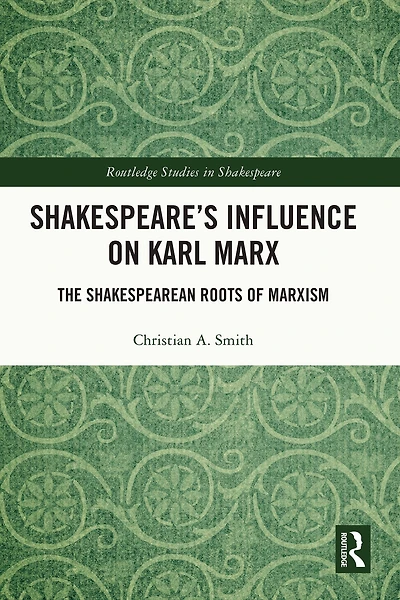
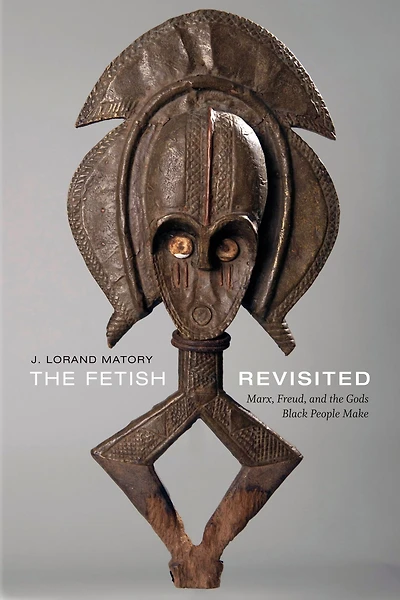







Find at Mall of America® in Bloomington, MN
Visit at Mall of America® in Bloomington, MN