


Home
Dakota Squadrons Action From D-Day to V.E. Day: Airborne, Support and Supply Operations the Liberation of Europe
Barnes and Noble
Loading Inventory...
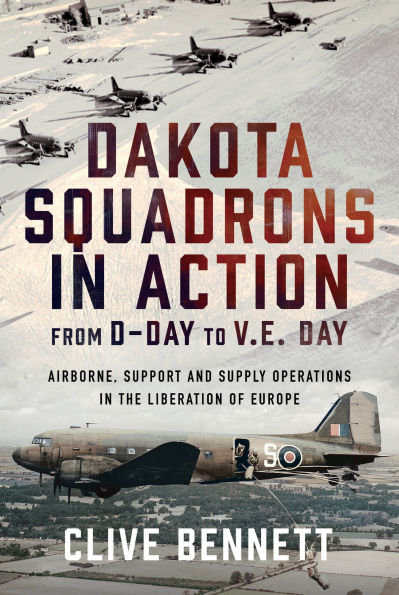
Dakota Squadrons Action From D-Day to V.E. Day: Airborne, Support and Supply Operations the Liberation of Europe in Bloomington, MN
Current price: $49.95

Dakota Squadrons Action From D-Day to V.E. Day: Airborne, Support and Supply Operations the Liberation of Europe in Bloomington, MN
Current price: $49.95
Loading Inventory...
Size: Hardcover
“… offers a microscopic examination of No. 46 Group’s flight operations, day by day, squadron by squadron, often down to crew names and takeoff/landing times.” – Flightline: Newsletter of the American Aviation Historical Society
RAF Transport Command's 46 Group, formed in January 1944, played a pivotal role in the Allies' victory during the final months of World War II. Operating from three airfields—RAF Broadwell, RAF Blakehill Farm, and RAF Down Ampney—its six squadrons flew the Douglas C47 Dakotas, providing vital support to airborne forces, paratroopers, and gliders. They conducted air drops, resupplied frontline troops, and facilitated casualty evacuation.
From DDay on 6 June 1944, the Dakotas flew crucial missions over France, transporting goods and personnel while returning with wounded troops and captured enemy material. The 'Flying Nightingales', WAAF nurses aboard these flights, administered first aid on their return journeys, though one nurse, LACW Margaret Campbell, was killed in a crash in October 1944.
During Operation Market Garden in September 1944, Dakotas supported the airborne forces with daily resupply flights. Flight Lieutenant David Lord of 271 Squadron posthumously received the Victoria Cross for his bravery in delivering supplies under heavy flak.
In March 1945, Dakotas played a key role in Operation Varsity, the final airborne assault of the war. This book examines the significant contribution of 46 Group’s Dakotas and crews, highlighting their crucial part in the defeat of Nazi Germany.
RAF Transport Command's 46 Group, formed in January 1944, played a pivotal role in the Allies' victory during the final months of World War II. Operating from three airfields—RAF Broadwell, RAF Blakehill Farm, and RAF Down Ampney—its six squadrons flew the Douglas C47 Dakotas, providing vital support to airborne forces, paratroopers, and gliders. They conducted air drops, resupplied frontline troops, and facilitated casualty evacuation.
From DDay on 6 June 1944, the Dakotas flew crucial missions over France, transporting goods and personnel while returning with wounded troops and captured enemy material. The 'Flying Nightingales', WAAF nurses aboard these flights, administered first aid on their return journeys, though one nurse, LACW Margaret Campbell, was killed in a crash in October 1944.
During Operation Market Garden in September 1944, Dakotas supported the airborne forces with daily resupply flights. Flight Lieutenant David Lord of 271 Squadron posthumously received the Victoria Cross for his bravery in delivering supplies under heavy flak.
In March 1945, Dakotas played a key role in Operation Varsity, the final airborne assault of the war. This book examines the significant contribution of 46 Group’s Dakotas and crews, highlighting their crucial part in the defeat of Nazi Germany.
“… offers a microscopic examination of No. 46 Group’s flight operations, day by day, squadron by squadron, often down to crew names and takeoff/landing times.” – Flightline: Newsletter of the American Aviation Historical Society
RAF Transport Command's 46 Group, formed in January 1944, played a pivotal role in the Allies' victory during the final months of World War II. Operating from three airfields—RAF Broadwell, RAF Blakehill Farm, and RAF Down Ampney—its six squadrons flew the Douglas C47 Dakotas, providing vital support to airborne forces, paratroopers, and gliders. They conducted air drops, resupplied frontline troops, and facilitated casualty evacuation.
From DDay on 6 June 1944, the Dakotas flew crucial missions over France, transporting goods and personnel while returning with wounded troops and captured enemy material. The 'Flying Nightingales', WAAF nurses aboard these flights, administered first aid on their return journeys, though one nurse, LACW Margaret Campbell, was killed in a crash in October 1944.
During Operation Market Garden in September 1944, Dakotas supported the airborne forces with daily resupply flights. Flight Lieutenant David Lord of 271 Squadron posthumously received the Victoria Cross for his bravery in delivering supplies under heavy flak.
In March 1945, Dakotas played a key role in Operation Varsity, the final airborne assault of the war. This book examines the significant contribution of 46 Group’s Dakotas and crews, highlighting their crucial part in the defeat of Nazi Germany.
RAF Transport Command's 46 Group, formed in January 1944, played a pivotal role in the Allies' victory during the final months of World War II. Operating from three airfields—RAF Broadwell, RAF Blakehill Farm, and RAF Down Ampney—its six squadrons flew the Douglas C47 Dakotas, providing vital support to airborne forces, paratroopers, and gliders. They conducted air drops, resupplied frontline troops, and facilitated casualty evacuation.
From DDay on 6 June 1944, the Dakotas flew crucial missions over France, transporting goods and personnel while returning with wounded troops and captured enemy material. The 'Flying Nightingales', WAAF nurses aboard these flights, administered first aid on their return journeys, though one nurse, LACW Margaret Campbell, was killed in a crash in October 1944.
During Operation Market Garden in September 1944, Dakotas supported the airborne forces with daily resupply flights. Flight Lieutenant David Lord of 271 Squadron posthumously received the Victoria Cross for his bravery in delivering supplies under heavy flak.
In March 1945, Dakotas played a key role in Operation Varsity, the final airborne assault of the war. This book examines the significant contribution of 46 Group’s Dakotas and crews, highlighting their crucial part in the defeat of Nazi Germany.
Shop Similar Products













Find at Mall of America® in Bloomington, MN
Visit at Mall of America® in Bloomington, MN