


Home
Culinary Ephemera: An Illustrated History
Barnes and Noble
Loading Inventory...
Culinary Ephemera: An Illustrated History in Bloomington, MN
By Barnes & Noble
Current price: $29.95
Culinary Ephemera: An Illustrated History in Bloomington, MN
Current price: $29.95
Loading Inventory...
Size: Hardcover
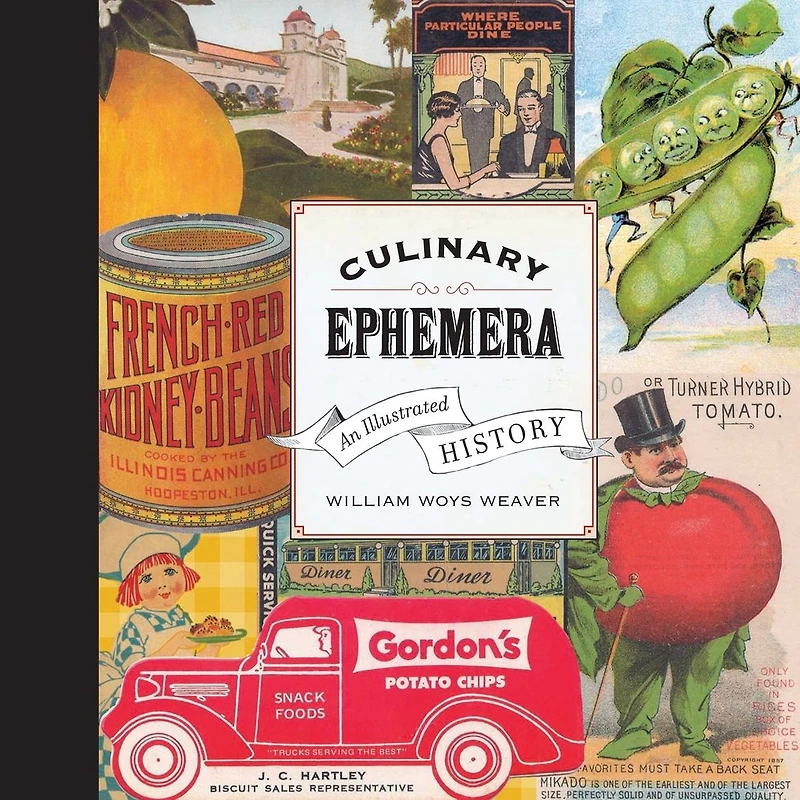
This extraordinary collection, a trove of enchanting designs, appealing colors, and forgotten motifs that stir the imagination, features an unprecedented assortment of ephemera, or paper collectibles, related to food. It includes images of postcards, match covers, menus, labels, posters, brochures, valentines, packaging, advertisements, and other materials from nineteenth and twentiethcentury America. Internationally acclaimed food historian William Woys Weaver takes us on a lively tour through this dazzling collection in which each piece tells a new story about food and the past. Packed with fascinating history, the volume is the first serious attempt to organize culinary ephemera into categories, making it useful for food lovers, collectors, designers, and curators alike. Much more than a catalog, Culinary Ephemera follows this paper trail to broader themes in American social history such as diet and health, alcoholic beverages, and Americans abroad. It is a collection that, as Weaver notes, will “transport us into the vicarious worlds of dinners past, brushing elbows with the reality of another time, another place, another human condition.”
This extraordinary collection, a trove of enchanting designs, appealing colors, and forgotten motifs that stir the imagination, features an unprecedented assortment of ephemera, or paper collectibles, related to food. It includes images of postcards, match covers, menus, labels, posters, brochures, valentines, packaging, advertisements, and other materials from nineteenth and twentiethcentury America. Internationally acclaimed food historian William Woys Weaver takes us on a lively tour through this dazzling collection in which each piece tells a new story about food and the past. Packed with fascinating history, the volume is the first serious attempt to organize culinary ephemera into categories, making it useful for food lovers, collectors, designers, and curators alike. Much more than a catalog, Culinary Ephemera follows this paper trail to broader themes in American social history such as diet and health, alcoholic beverages, and Americans abroad. It is a collection that, as Weaver notes, will “transport us into the vicarious worlds of dinners past, brushing elbows with the reality of another time, another place, another human condition.”
Shop Similar Products


















Find at Mall of America® in Bloomington, MN
Visit at Mall of America® in Bloomington, MN