


Home
Counter-Terrorism Financing and Iran
Barnes and Noble
Loading Inventory...
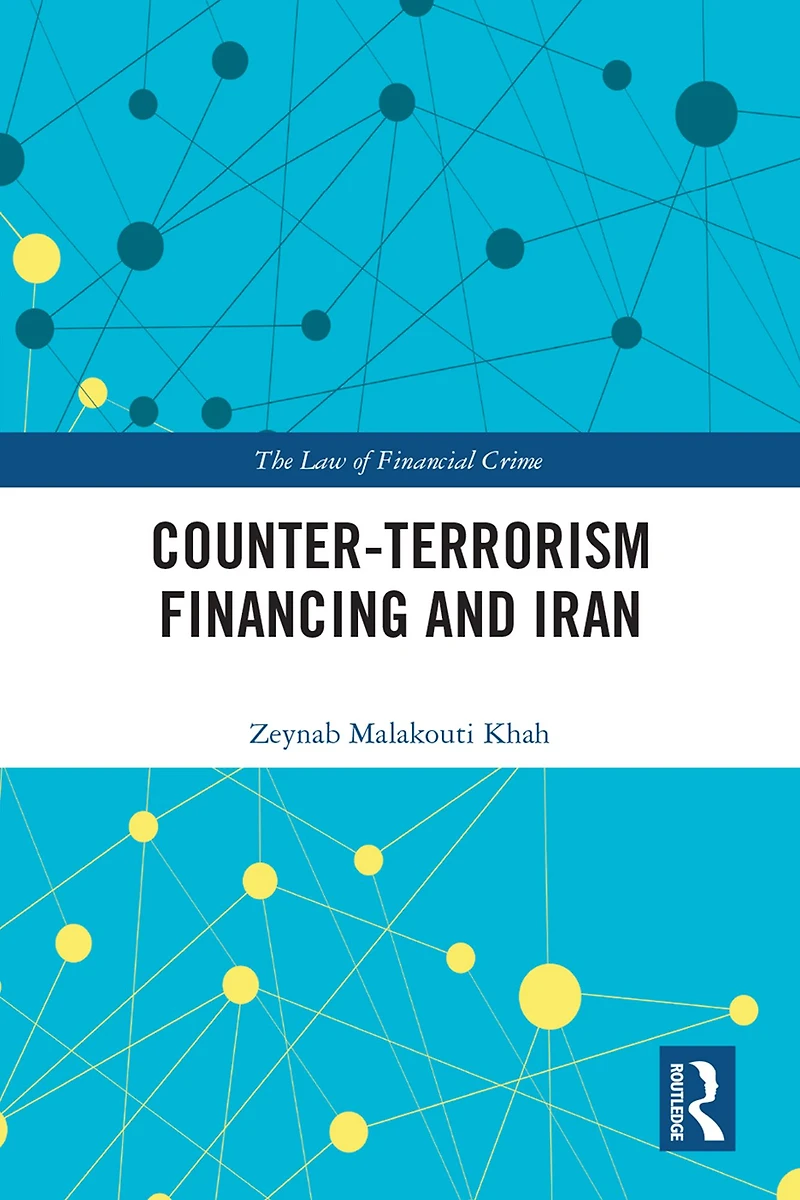

Counter-Terrorism Financing and Iran in Bloomington, MN
By Barnes & Noble
Current price: $60.99

Counter-Terrorism Financing and Iran in Bloomington, MN
Current price: $60.99
Loading Inventory...
Size: EBook
This book blends doctrinal and empirical research to examine the phenomenon of counter-terrorism financing at the level of both international and Iranian national law.The work discusses the legitimacy, fairness and effectiveness of the international counter-terrorism financing framework, and then examines to what extent Iran has implemented it. The main focuses of the book are on the criminalisation of terrorism financing; financial regulations as preventive measures applied to the sectors at risk of terrorism financing, including the formal financial system, the informal financial system and the non-profit organisations; and the international and unilateral sanctions imposed on individuals and entities who support terrorist acts, terrorists and terrorist organisations. Given that terrorism and terrorism financing are socio-legal, political and economic phenomena in nature, the book approaches the problem of terrorism financing from an interdisciplinary perspective, exploring the relationship between the characteristics of Iran as a state recognised for supporting non-state militant actors (NSMAs), some of which are designated as terrorist by some countries. Empirical research includes documentary fieldwork in Iran, with the collection of original and primary materials that have not previously been analysed. The book also adopts a policy transfer approach, using the rules and regulations of the United Kingdom.Presenting a non-Western perspective on counter-terrorism financing, the book will be essential reading for students, researchers and policy-makers working in the area of financial crime.
This book blends doctrinal and empirical research to examine the phenomenon of counter-terrorism financing at the level of both international and Iranian national law.The work discusses the legitimacy, fairness and effectiveness of the international counter-terrorism financing framework, and then examines to what extent Iran has implemented it. The main focuses of the book are on the criminalisation of terrorism financing; financial regulations as preventive measures applied to the sectors at risk of terrorism financing, including the formal financial system, the informal financial system and the non-profit organisations; and the international and unilateral sanctions imposed on individuals and entities who support terrorist acts, terrorists and terrorist organisations. Given that terrorism and terrorism financing are socio-legal, political and economic phenomena in nature, the book approaches the problem of terrorism financing from an interdisciplinary perspective, exploring the relationship between the characteristics of Iran as a state recognised for supporting non-state militant actors (NSMAs), some of which are designated as terrorist by some countries. Empirical research includes documentary fieldwork in Iran, with the collection of original and primary materials that have not previously been analysed. The book also adopts a policy transfer approach, using the rules and regulations of the United Kingdom.Presenting a non-Western perspective on counter-terrorism financing, the book will be essential reading for students, researchers and policy-makers working in the area of financial crime.
Shop Similar Products







Find at Mall of America® in Bloomington, MN
Visit at Mall of America® in Bloomington, MN