


Home
Counter-Cola: A Multinational History of the Global Corporation
Barnes and Noble
Loading Inventory...

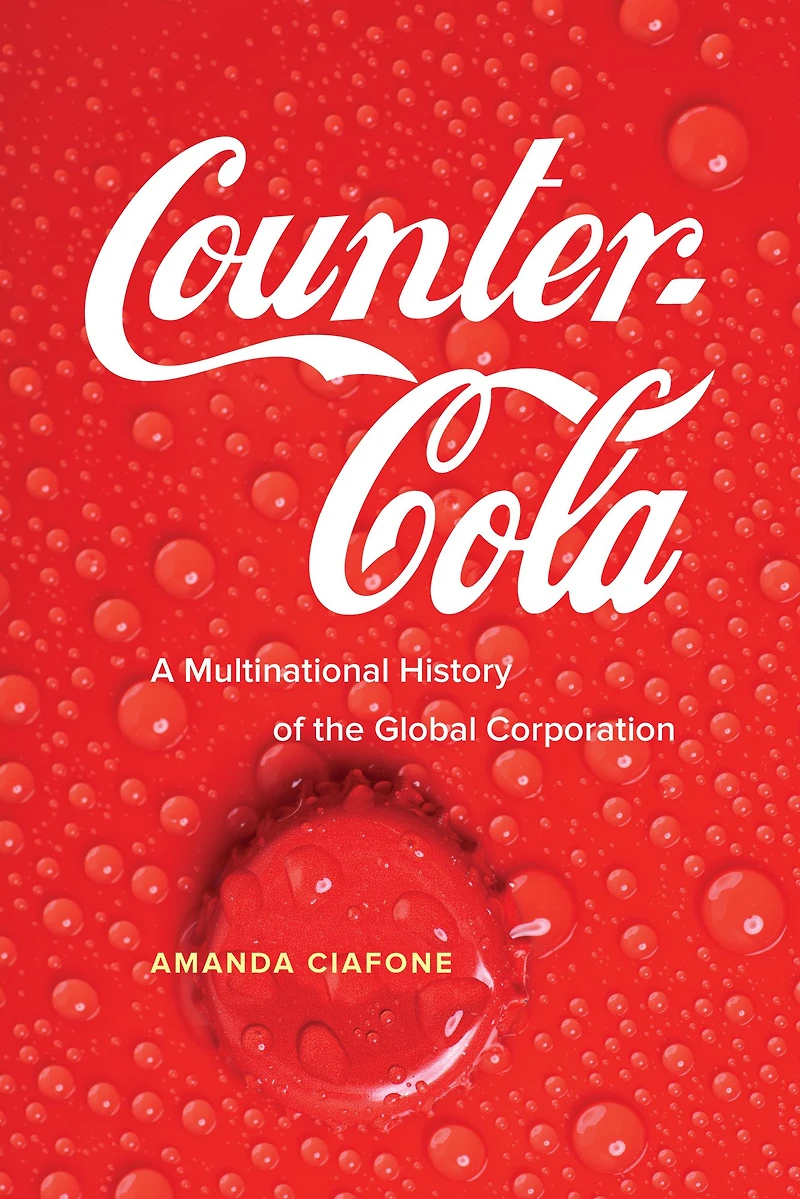

Counter-Cola: A Multinational History of the Global Corporation in Bloomington, MN
By Barnes & Noble
Current price: $24.99

Counter-Cola: A Multinational History of the Global Corporation in Bloomington, MN
Current price: $24.99
Loading Inventory...
Size: Audiobook
CounterCola charts the history of one of the world’s most influential and widely known corporations, The CocaCola Company. Over the past 130 years, the corporation has sought to make its products, brands, and business central to daily life in over 200 countries. Amanda Ciafone uses this example of global capitalism to reveal the pursuit of corporate power within the key economic transformations—liberal, developmentalist, neoliberal—of the twentieth and twentyfirst centuries. CocaCola's success has not gone uncontested. People throughout the world have redeployed the corporation, its commodities, and brand images to challenge the injustices of daily life under capitalism. As Ciafone shows, assertions of national economic interests, critiques of cultural homogenization, fights for workers’ rights, movements for environmental justice, and debates over public health have obliged the corporation to justify itself in terms of the common good, demonstrating capitalism’s imperative to either assimilate critiques or reveal its limits.
CounterCola charts the history of one of the world’s most influential and widely known corporations, The CocaCola Company. Over the past 130 years, the corporation has sought to make its products, brands, and business central to daily life in over 200 countries. Amanda Ciafone uses this example of global capitalism to reveal the pursuit of corporate power within the key economic transformations—liberal, developmentalist, neoliberal—of the twentieth and twentyfirst centuries. CocaCola's success has not gone uncontested. People throughout the world have redeployed the corporation, its commodities, and brand images to challenge the injustices of daily life under capitalism. As Ciafone shows, assertions of national economic interests, critiques of cultural homogenization, fights for workers’ rights, movements for environmental justice, and debates over public health have obliged the corporation to justify itself in terms of the common good, demonstrating capitalism’s imperative to either assimilate critiques or reveal its limits.
Shop Similar Products
















Find at Mall of America® in Bloomington, MN
Visit at Mall of America® in Bloomington, MN