


Home
Confrontational Citizenship: Reflections on Hatred, Rage, Revolution, and Revolt
Barnes and Noble
Loading Inventory...
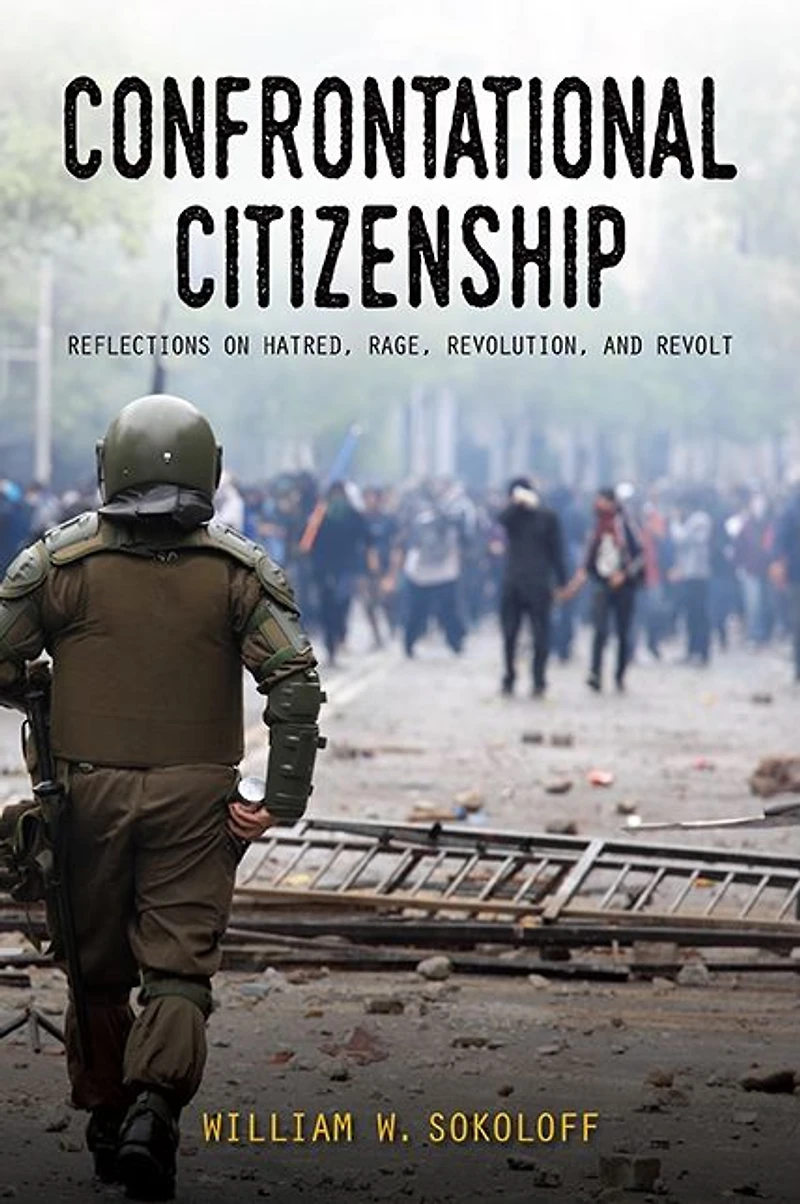
Confrontational Citizenship: Reflections on Hatred, Rage, Revolution, and Revolt in Bloomington, MN
By Barnes & Noble
Current price: $36.95

Confrontational Citizenship: Reflections on Hatred, Rage, Revolution, and Revolt in Bloomington, MN
Current price: $36.95
Loading Inventory...
Size: EBook
Defends confrontational modes of citizenship as a means to reinvigorate democratic participation and regime accountability.A growing number of people are enraged about the quality and direction of public life, despise politicians, and are desperate for real political change. How can the contemporary neoliberal global political order be challenged and rebuilt in an egalitarian and humanitarian manner? What type of political agency and new political institutions are needed for this? In order to answer these questions, Confrontational Citizenship draws on a broad base of perspectives to articulate the concept of confrontational citizenship. William W. Sokoloff defends extra-institutional and confrontational modes of political activity along with new ways of conceiving political institutions as a way to create political orders accountable to the people. In contrast to many forms of democratic theory, Sokoloff argues that confrontational modes of citizenship (e.g., protest) are good because they increase the accountability of a regime to the people, increase the legitimacy of regimes, lead to improvements in a political order, and serve as a means to vent frustration. The goal is to make the word citizen relevant and dangerous to the settled and closed practices that structure our political world and to provide a hopeful vision of what it means to be politically progressive today.
Defends confrontational modes of citizenship as a means to reinvigorate democratic participation and regime accountability.A growing number of people are enraged about the quality and direction of public life, despise politicians, and are desperate for real political change. How can the contemporary neoliberal global political order be challenged and rebuilt in an egalitarian and humanitarian manner? What type of political agency and new political institutions are needed for this? In order to answer these questions, Confrontational Citizenship draws on a broad base of perspectives to articulate the concept of confrontational citizenship. William W. Sokoloff defends extra-institutional and confrontational modes of political activity along with new ways of conceiving political institutions as a way to create political orders accountable to the people. In contrast to many forms of democratic theory, Sokoloff argues that confrontational modes of citizenship (e.g., protest) are good because they increase the accountability of a regime to the people, increase the legitimacy of regimes, lead to improvements in a political order, and serve as a means to vent frustration. The goal is to make the word citizen relevant and dangerous to the settled and closed practices that structure our political world and to provide a hopeful vision of what it means to be politically progressive today.
Shop Similar Products










Find at Mall of America® in Bloomington, MN
Visit at Mall of America® in Bloomington, MN