


Home
Compulsory Voting: For and Against
Barnes and Noble
Loading Inventory...
Compulsory Voting: For and Against in Bloomington, MN
By Barnes & Noble
Current price: $39.00
Compulsory Voting: For and Against in Bloomington, MN
Current price: $39.00
Loading Inventory...
Size: EBook
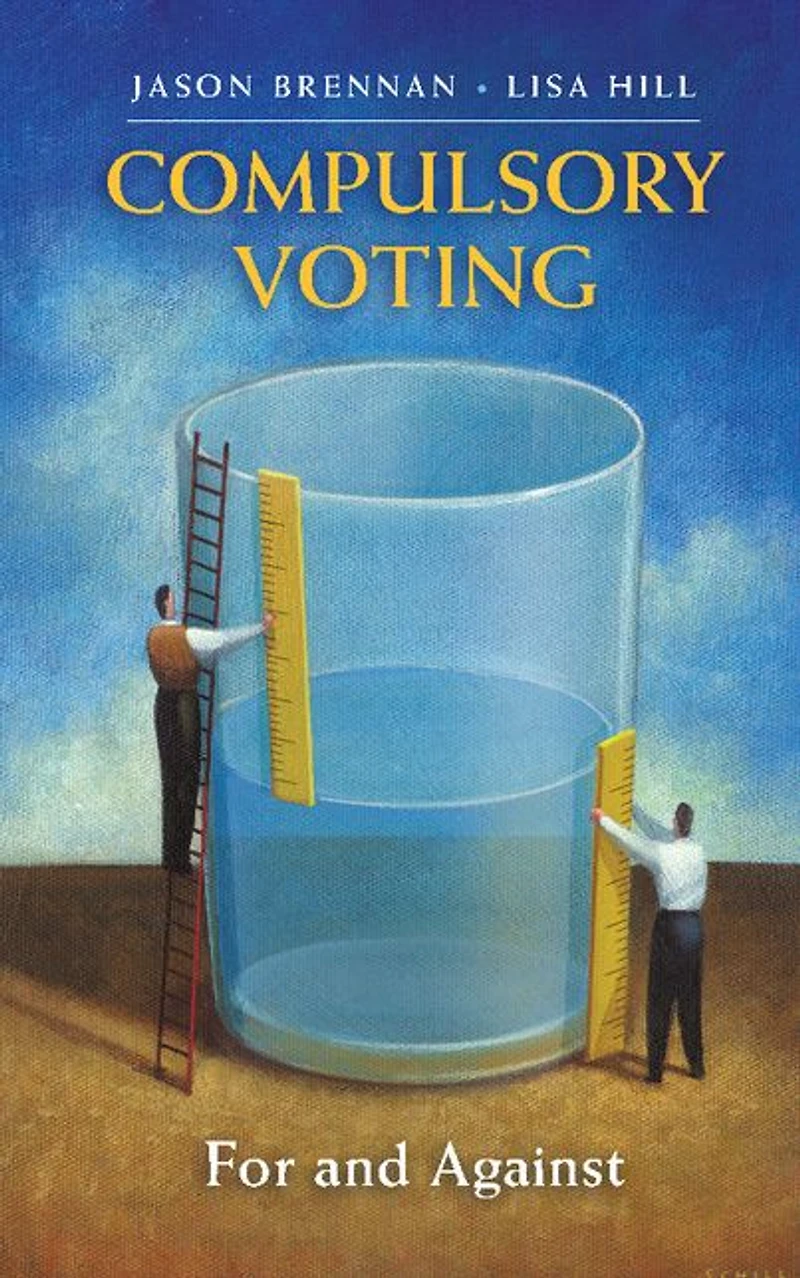
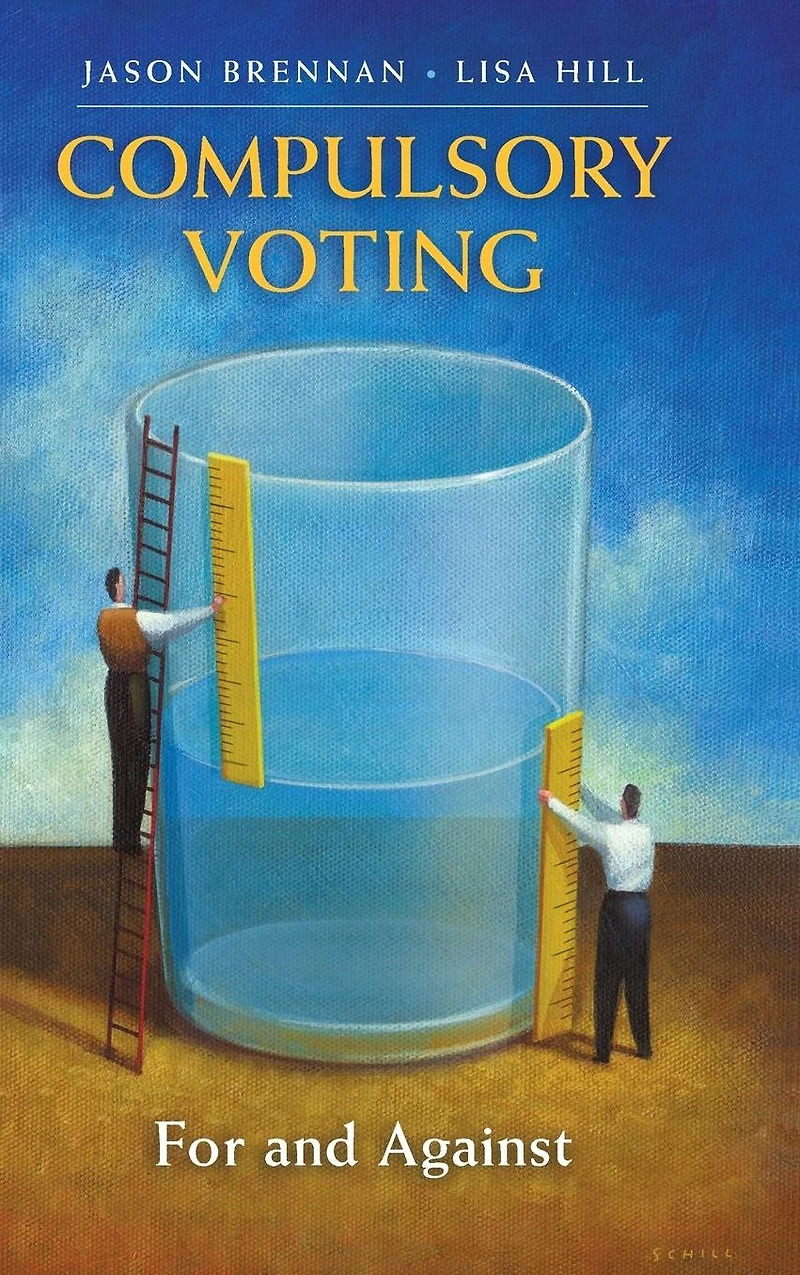
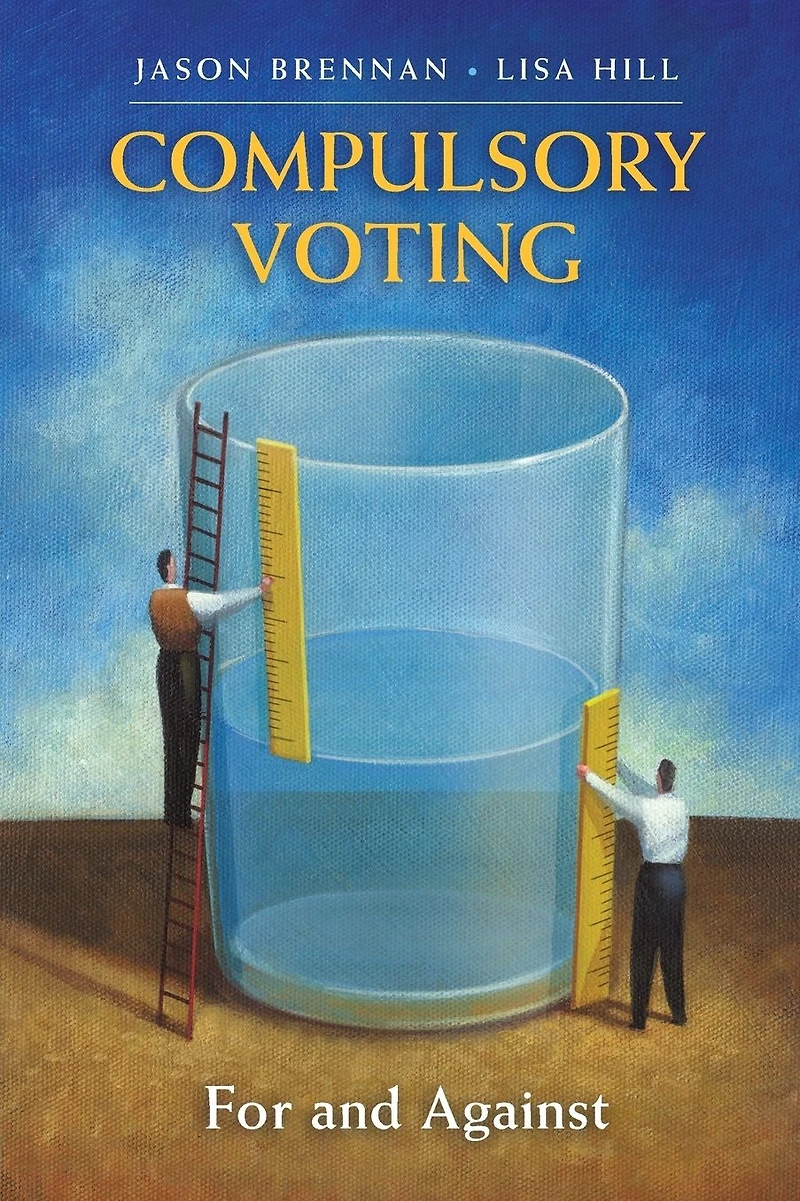
In many democracies, voter turnout is low and getting lower. If the people choose not to govern themselves, should they be forced to do so? For Jason Brennan, compulsory voting is unjust and a petty violation of citizens' liberty. The median non-voter is less informed and rational, as well as more biased than the median voter. According to Lisa Hill, compulsory voting is a reasonable imposition on personal liberty. Hill points to the discernible benefits of compulsory voting and argues that high turnout elections are more democratically legitimate. The authors – both well-known for their work on voting and civic engagement – debate questions such as: •Do citizens have a duty to vote, and is it an enforceable duty? •Does compulsory voting violate citizens' liberty? If so, is this sufficient grounds to oppose it? Or is it a justifiable violation? Might it instead promote liberty on the whole? •Is low turnout a problem, or a blessing? •Does compulsory voting produce better government? Or, might it instead produce worse government? Might it, in fact, have little effect overall on the quality of government?
In many democracies, voter turnout is low and getting lower. If the people choose not to govern themselves, should they be forced to do so? For Jason Brennan, compulsory voting is unjust and a petty violation of citizens' liberty. The median non-voter is less informed and rational, as well as more biased than the median voter. According to Lisa Hill, compulsory voting is a reasonable imposition on personal liberty. Hill points to the discernible benefits of compulsory voting and argues that high turnout elections are more democratically legitimate. The authors – both well-known for their work on voting and civic engagement – debate questions such as: •Do citizens have a duty to vote, and is it an enforceable duty? •Does compulsory voting violate citizens' liberty? If so, is this sufficient grounds to oppose it? Or is it a justifiable violation? Might it instead promote liberty on the whole? •Is low turnout a problem, or a blessing? •Does compulsory voting produce better government? Or, might it instead produce worse government? Might it, in fact, have little effect overall on the quality of government?
Shop Similar Products







Find at Mall of America® in Bloomington, MN
Visit at Mall of America® in Bloomington, MN