


Home
Competitive-Cum-Cooperative Interfirm Relations and Dynamics in Japanese Semiconductor Industry: Japanese Semiconductor Industry in Its Golden Age (1977-1992)
Barnes and Noble
Loading Inventory...
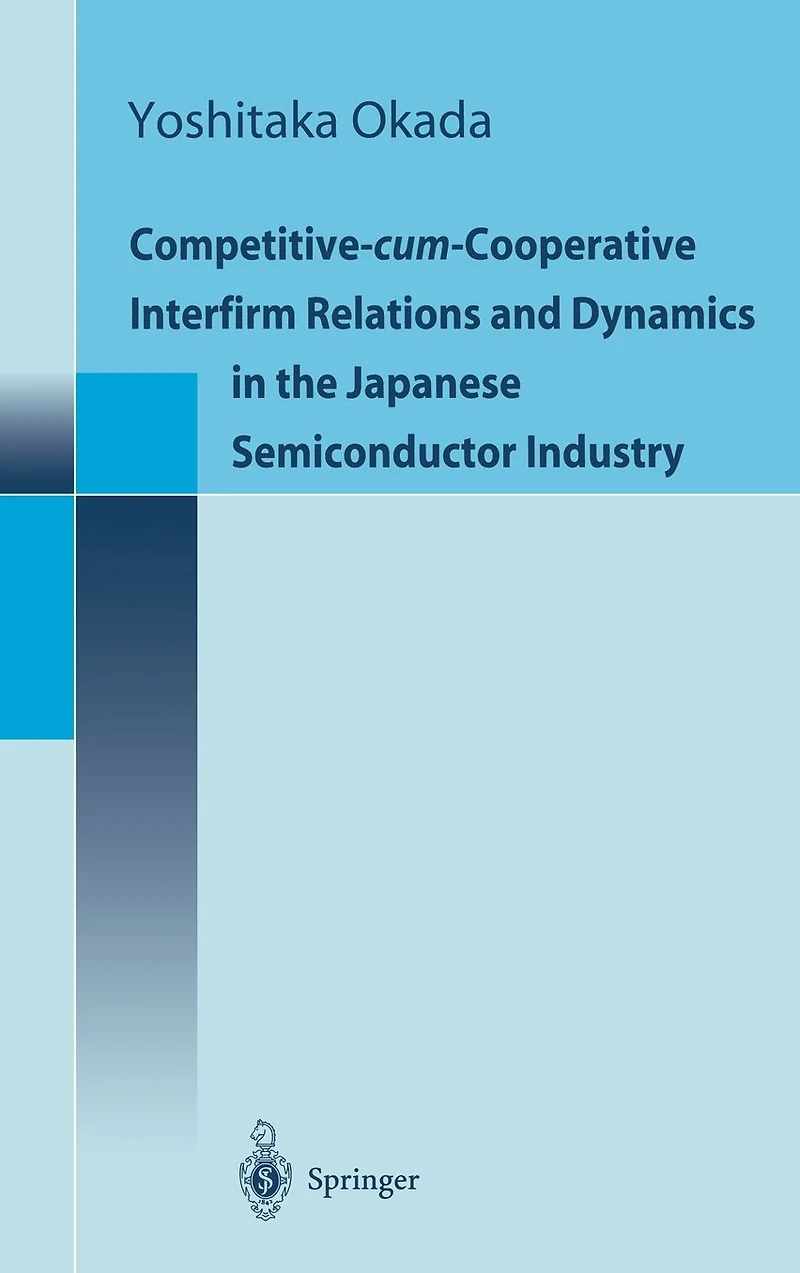
Competitive-Cum-Cooperative Interfirm Relations and Dynamics in Japanese Semiconductor Industry: Japanese Semiconductor Industry in Its Golden Age (1977-1992) in Bloomington, MN
By Barnes & Noble
Current price: $123.00

Competitive-Cum-Cooperative Interfirm Relations and Dynamics in Japanese Semiconductor Industry: Japanese Semiconductor Industry in Its Golden Age (1977-1992) in Bloomington, MN
Current price: $123.00
Loading Inventory...
Size: Hardcover
Japanese semiconductor firms are well known for obtaining dynamics in a short period of time and achieving even global leadership. A signifi cant portion of their success are attributable to cooperative interfir m relations and the development of intermediate organizational structu re based on long-term relationship between firms. The purpose of this book is to explain how interfirm relations contributed to their dynami cs during the golden age of the semiconductor industry. Meanwhile this book clarifies the real source of dynamics in interfirm relations and how the firms have interacted. The author concludes that the competit ive-cum-cooperative (CCC) interfirm interaction is observed. Quantitat ive and qualitative findings show that firms enjoy not only flexible c ooperation based synergy effects, but also dynamics market-like effect s by creating competition among partners through CCC interaction.
Japanese semiconductor firms are well known for obtaining dynamics in a short period of time and achieving even global leadership. A signifi cant portion of their success are attributable to cooperative interfir m relations and the development of intermediate organizational structu re based on long-term relationship between firms. The purpose of this book is to explain how interfirm relations contributed to their dynami cs during the golden age of the semiconductor industry. Meanwhile this book clarifies the real source of dynamics in interfirm relations and how the firms have interacted. The author concludes that the competit ive-cum-cooperative (CCC) interfirm interaction is observed. Quantitat ive and qualitative findings show that firms enjoy not only flexible c ooperation based synergy effects, but also dynamics market-like effect s by creating competition among partners through CCC interaction.
Shop Similar Products














Find at Mall of America® in Bloomington, MN
Visit at Mall of America® in Bloomington, MN