


Home
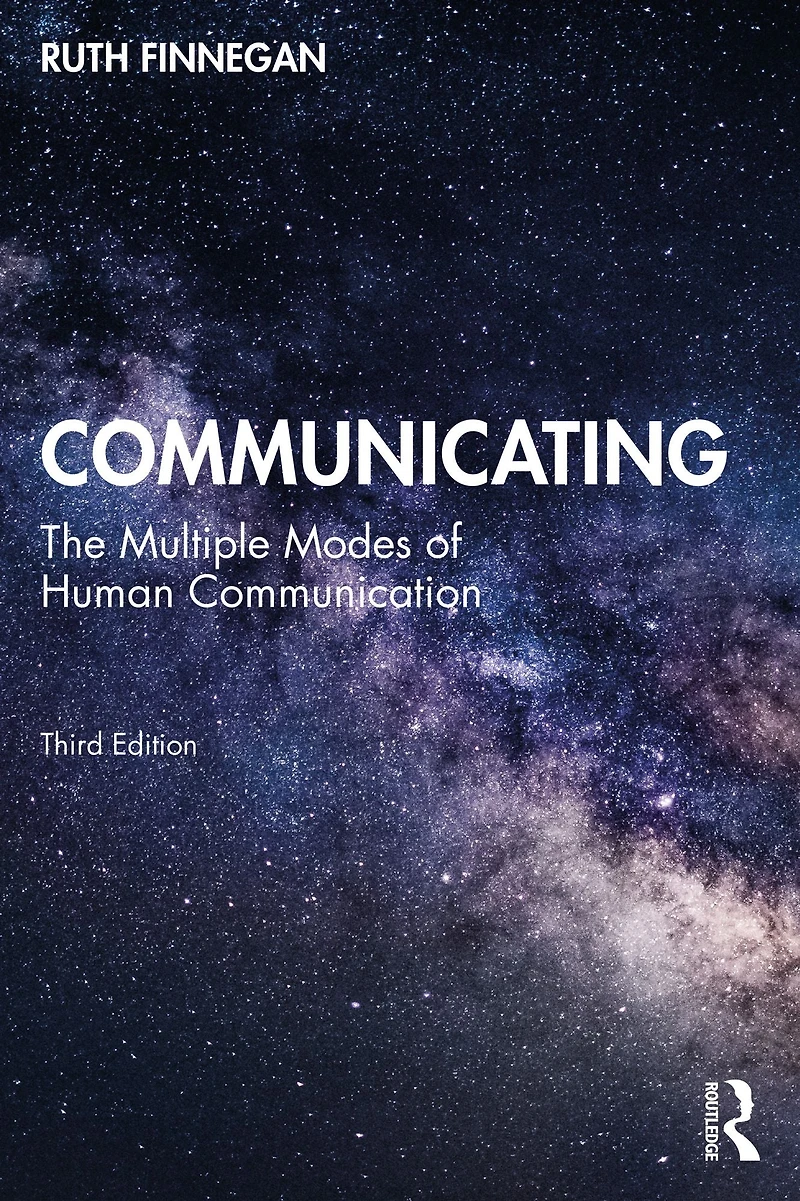
Communicating: The Multiple Modes of Human Communication
Barnes and Noble
Loading Inventory...
Communicating: The Multiple Modes of Human Communication in Bloomington, MN
By Barnes & Noble
Current price: $58.99

Communicating: The Multiple Modes of Human Communication in Bloomington, MN
Current price: $58.99
Loading Inventory...
Size: EBook
Treatments of human communication mostly draw on cognitive and word-centred models to present it as predominantly a matter of words. This, Finnegan argues, seriously underestimates the far-reaching multi-modal qualities of human interconnecting and the senses of touch, olfaction, and, above all, audition and vision that we draw on.In an authoritative and readable account, Ruth Finnegan brings together research from linguistic and sensory anthropology, material culture, non-verbal communication, computer-mediated communication, and, strikingly, research on animal communication, such as the remarkable gesture systems of great apes. She draws on her background in classical studies and her long anthropological experience to present illuminating examples from throughout the world, past and present.The result is to uncover an amazing array of sounds, sights, smells, gestures, looks, movements, touches, and material objects used by humans and other animals to interconnect both nearby and across space and timeShe goes on to first explore the extra-sensory modes of communication now being revealed in the extraordinary "new science" research and then, in an incendiary conclusion, to deny the long-prevailing story of human history by questioning whether orality really came before literacy; whether it was really through "the acquisition of language" that our prehistoric cave painting ancestors made a sudden leap into being "true humans"; and finally, astonishingly, to ask whether human communicating had its first roots not, after all, in verbal language but something else.Not to be missed, this highly original book brings a fresh perspective on, among other things, that central topic of interest today – the dawn of human history – and on what being homo sapiens really means. This revised and updated edition has additional illustrations, updated chapters, and a new concluding chapter. A provocative and controversial account that will stir worldwide debate, this book is an essential transdisciplinary overview for researchers and advanced students in language and communication, anthropology, and cultural studies.
Treatments of human communication mostly draw on cognitive and word-centred models to present it as predominantly a matter of words. This, Finnegan argues, seriously underestimates the far-reaching multi-modal qualities of human interconnecting and the senses of touch, olfaction, and, above all, audition and vision that we draw on.In an authoritative and readable account, Ruth Finnegan brings together research from linguistic and sensory anthropology, material culture, non-verbal communication, computer-mediated communication, and, strikingly, research on animal communication, such as the remarkable gesture systems of great apes. She draws on her background in classical studies and her long anthropological experience to present illuminating examples from throughout the world, past and present.The result is to uncover an amazing array of sounds, sights, smells, gestures, looks, movements, touches, and material objects used by humans and other animals to interconnect both nearby and across space and timeShe goes on to first explore the extra-sensory modes of communication now being revealed in the extraordinary "new science" research and then, in an incendiary conclusion, to deny the long-prevailing story of human history by questioning whether orality really came before literacy; whether it was really through "the acquisition of language" that our prehistoric cave painting ancestors made a sudden leap into being "true humans"; and finally, astonishingly, to ask whether human communicating had its first roots not, after all, in verbal language but something else.Not to be missed, this highly original book brings a fresh perspective on, among other things, that central topic of interest today – the dawn of human history – and on what being homo sapiens really means. This revised and updated edition has additional illustrations, updated chapters, and a new concluding chapter. A provocative and controversial account that will stir worldwide debate, this book is an essential transdisciplinary overview for researchers and advanced students in language and communication, anthropology, and cultural studies.
Shop Similar Products















Find at Mall of America® in Bloomington, MN
Visit at Mall of America® in Bloomington, MN