


Home
Color Perception in Art
Barnes and Noble
Loading Inventory...
Color Perception in Art in Bloomington, MN
By Barnes & Noble
Current price: $14.99

Color Perception in Art in Bloomington, MN
Current price: $14.99
Loading Inventory...
Size: Paperback
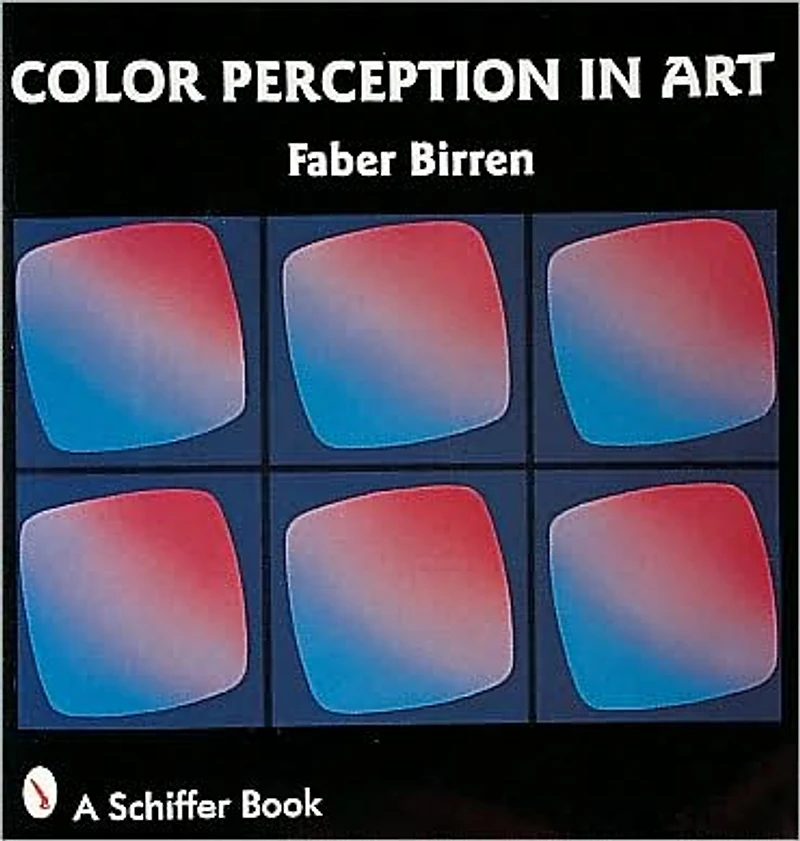
The most vital recent information on the relationship of visual perception to color expression in art is presented here in clear detail. Faber Birren, one of the bestknown colorists of our time, prepares us for what he believes will be a new era of color expression. Pioneered by gestalt psychology many secrets of the brain are rapidly being discovered, resulting in creative new principles of color. The book is divided into three sections. First the history of nineteenthand twentiethcentury color expression is traced from Turner through Impressionism to Op Art. Next the parallel history of color theory is covered. Finally, the new concepts and interpretations of illumination, color constancy, adaptation, and the Law of Field Size, which created a revolution in the possibilities of color expression in art and their aesthetic implications, are discussed. These sections are supplemented by numerous black and white photographs of representative paintings, explanatory line drawings and the abstract, geometric color plates themselvesof the incomparable beauty and quality that are the hallmark of Faber Birren.
The most vital recent information on the relationship of visual perception to color expression in art is presented here in clear detail. Faber Birren, one of the bestknown colorists of our time, prepares us for what he believes will be a new era of color expression. Pioneered by gestalt psychology many secrets of the brain are rapidly being discovered, resulting in creative new principles of color. The book is divided into three sections. First the history of nineteenthand twentiethcentury color expression is traced from Turner through Impressionism to Op Art. Next the parallel history of color theory is covered. Finally, the new concepts and interpretations of illumination, color constancy, adaptation, and the Law of Field Size, which created a revolution in the possibilities of color expression in art and their aesthetic implications, are discussed. These sections are supplemented by numerous black and white photographs of representative paintings, explanatory line drawings and the abstract, geometric color plates themselvesof the incomparable beauty and quality that are the hallmark of Faber Birren.
Shop Similar Products














Find at Mall of America® in Bloomington, MN
Visit at Mall of America® in Bloomington, MN