


Home
Clientelism, Capitalism, and Democracy: the Rise of Programmatic Politics United States Britain
Barnes and Noble
Loading Inventory...

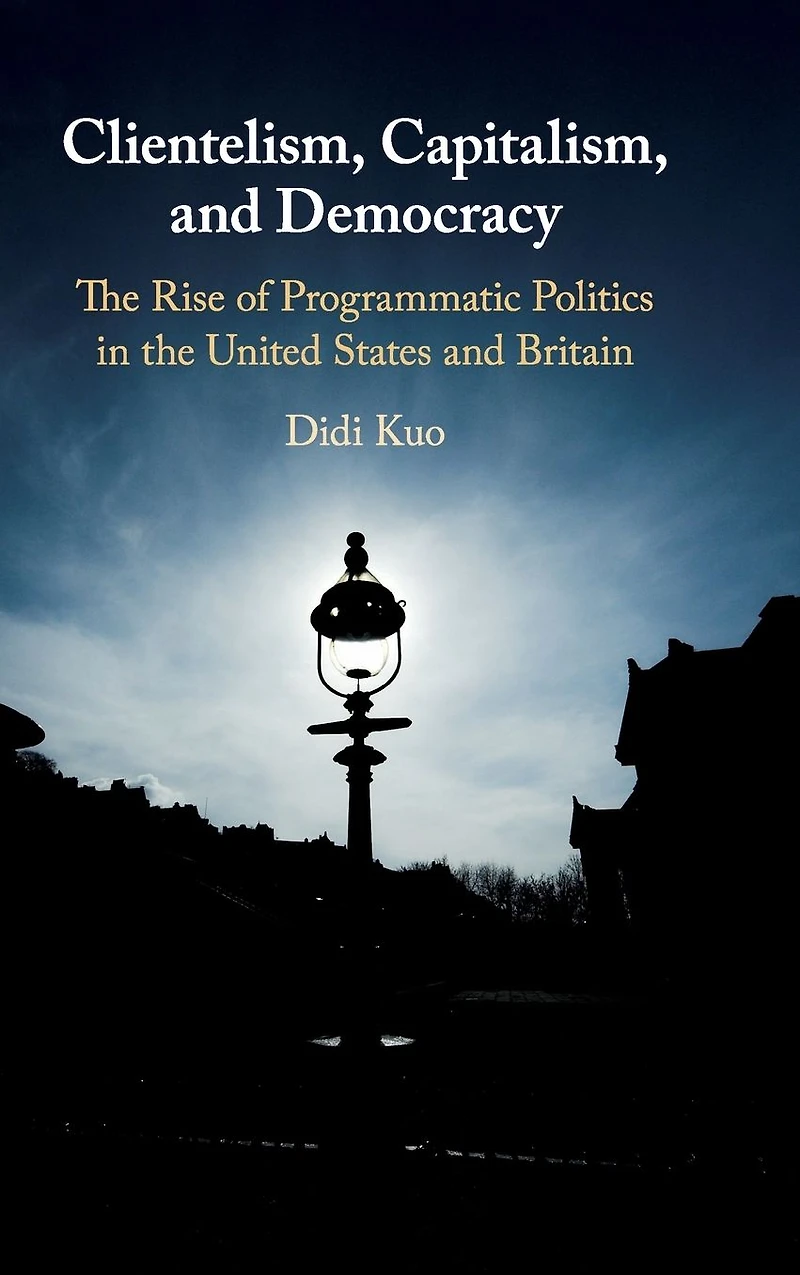
Clientelism, Capitalism, and Democracy: the Rise of Programmatic Politics United States Britain in Bloomington, MN
By Barnes & Noble
Current price: $133.00

Clientelism, Capitalism, and Democracy: the Rise of Programmatic Politics United States Britain in Bloomington, MN
Current price: $133.00
Loading Inventory...
Size: EBook
Political parties in the United States and Britain used clientelism and patronage to govern throughout the nineteenth century. By the twentieth century, however, parties in both countries shifted to programmatic competition. This book argues that capitalists were critical to this shift. Businesses developed new forms of corporate management and capitalist organization, and found clientelism inimical to economic development. Drawing on extensive archival research in the United States and Britain, this book shows how national business organizations pushed parties to adopt programmatic reforms, including administrative capacities and policy-centered campaigns. Parties then shifted from reliance on clientelism as a governing strategy in elections, policy distribution, and bureaucracy. They built modern party organizations and techniques of interest mediation and accommodation. This book provides a novel theory of capitalist interests against clientelism, and argues for a more rigorous understanding of the relationship between capitalism and political development.
Political parties in the United States and Britain used clientelism and patronage to govern throughout the nineteenth century. By the twentieth century, however, parties in both countries shifted to programmatic competition. This book argues that capitalists were critical to this shift. Businesses developed new forms of corporate management and capitalist organization, and found clientelism inimical to economic development. Drawing on extensive archival research in the United States and Britain, this book shows how national business organizations pushed parties to adopt programmatic reforms, including administrative capacities and policy-centered campaigns. Parties then shifted from reliance on clientelism as a governing strategy in elections, policy distribution, and bureaucracy. They built modern party organizations and techniques of interest mediation and accommodation. This book provides a novel theory of capitalist interests against clientelism, and argues for a more rigorous understanding of the relationship between capitalism and political development.
Shop Similar Products
















Find at Mall of America® in Bloomington, MN
Visit at Mall of America® in Bloomington, MN