


Home
Class, Race, and Inequality in South Africa
Barnes and Noble
Loading Inventory...
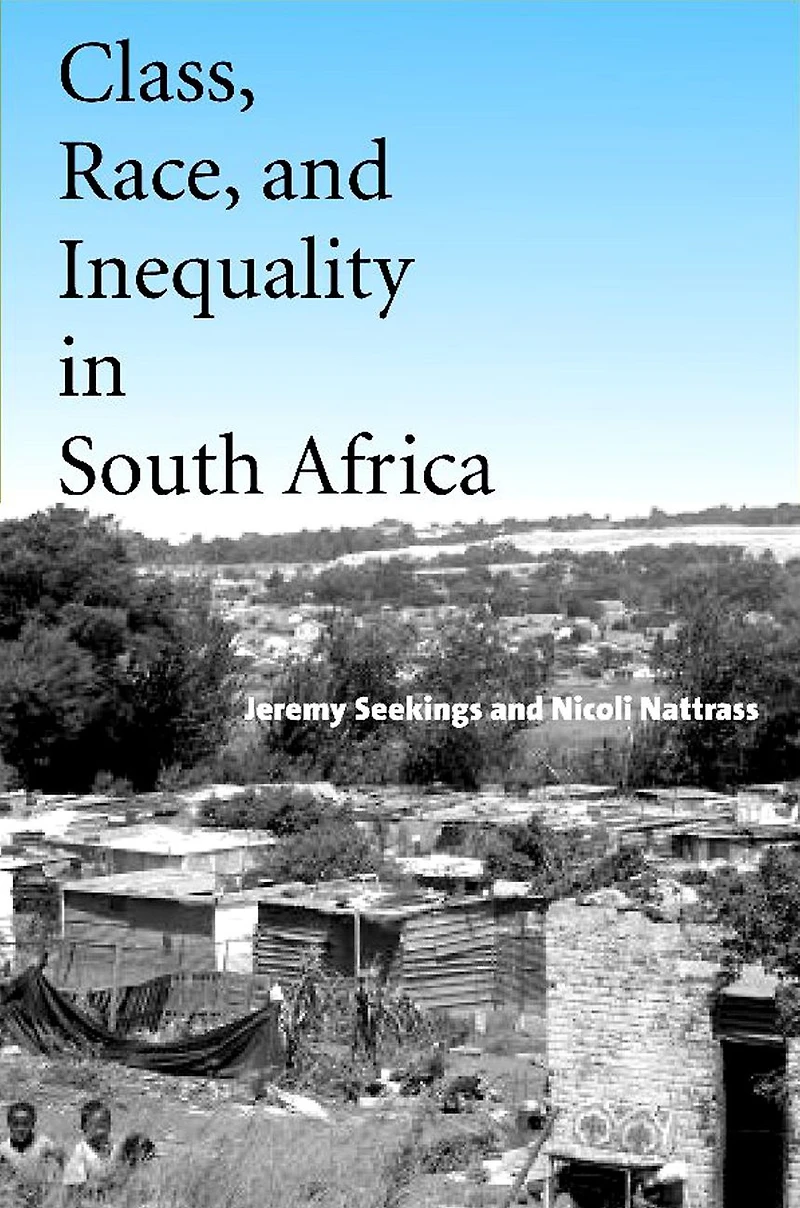
Class, Race, and Inequality in South Africa in Bloomington, MN
By Barnes & Noble
Current price: $85.00

Class, Race, and Inequality in South Africa in Bloomington, MN
Current price: $85.00
Loading Inventory...
Size: EBook
The distribution of incomes in South Africa in 2004, ten years after the transition to democracy, was probably more unequal than it had been under apartheid. In this book, Jeremy Seekings and Nicoli Nattrass explain why this is so, offering a detailed and comprehensive analysis of inequality in South Africa from the midtwentieth century to the early twenty-first century. They show that the basis of inequality shifted in the last decades of the twentieth century from race to class. Formal deracialization of public policy did not reduce the actual disadvantages experienced by the poor nor the advantages of the rich. The fundamental continuity in patterns of advantage and disadvantage resulted from underlying continuities in public policy, or what Seekings and Nattrass call the “distributional regime.” The post-apartheid distributional regime continues to divide South Africans into insiders and outsiders. The insiders, now increasingly multiracial, enjoy good access to well-paid, skilled jobs; the outsiders lack skills and employment.
The distribution of incomes in South Africa in 2004, ten years after the transition to democracy, was probably more unequal than it had been under apartheid. In this book, Jeremy Seekings and Nicoli Nattrass explain why this is so, offering a detailed and comprehensive analysis of inequality in South Africa from the midtwentieth century to the early twenty-first century. They show that the basis of inequality shifted in the last decades of the twentieth century from race to class. Formal deracialization of public policy did not reduce the actual disadvantages experienced by the poor nor the advantages of the rich. The fundamental continuity in patterns of advantage and disadvantage resulted from underlying continuities in public policy, or what Seekings and Nattrass call the “distributional regime.” The post-apartheid distributional regime continues to divide South Africans into insiders and outsiders. The insiders, now increasingly multiracial, enjoy good access to well-paid, skilled jobs; the outsiders lack skills and employment.
Shop Similar Products










Find at Mall of America® in Bloomington, MN
Visit at Mall of America® in Bloomington, MN