


Home
Civic Ceremony and Religion Medieval Bruges c.1300-1520
Barnes and Noble
Loading Inventory...
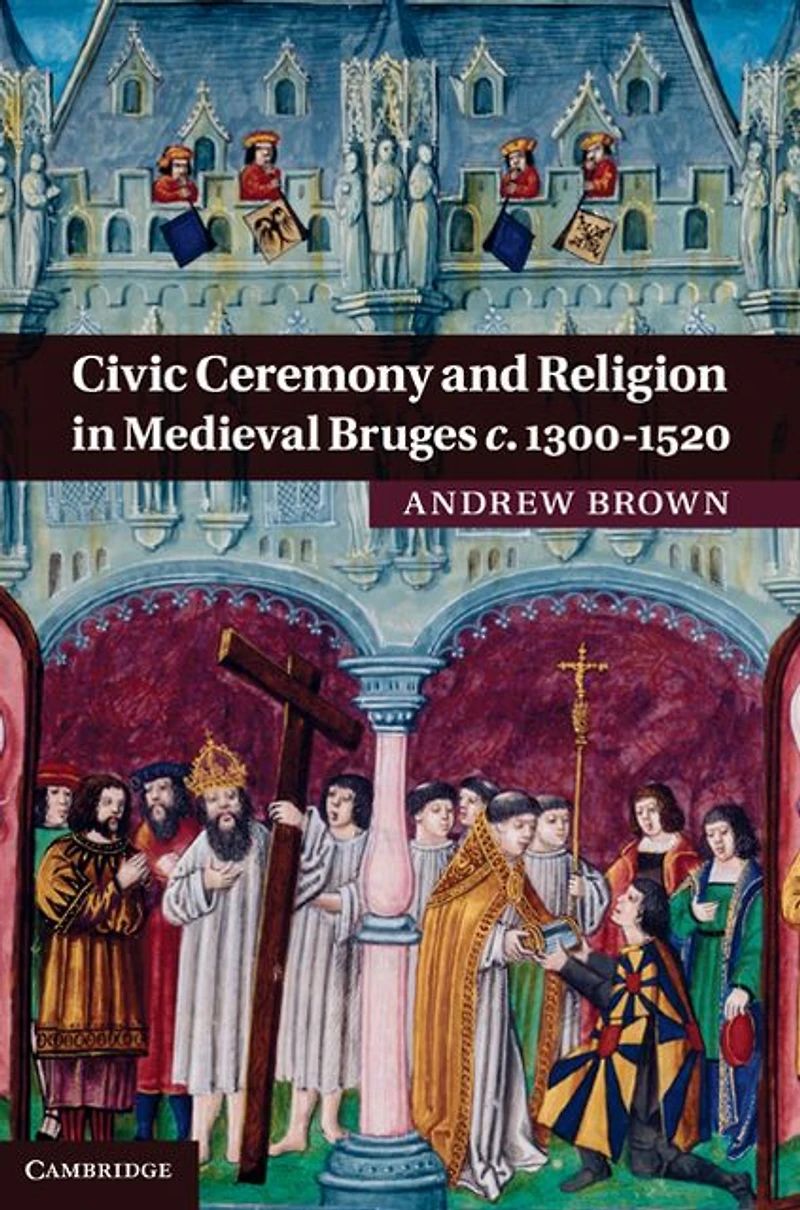
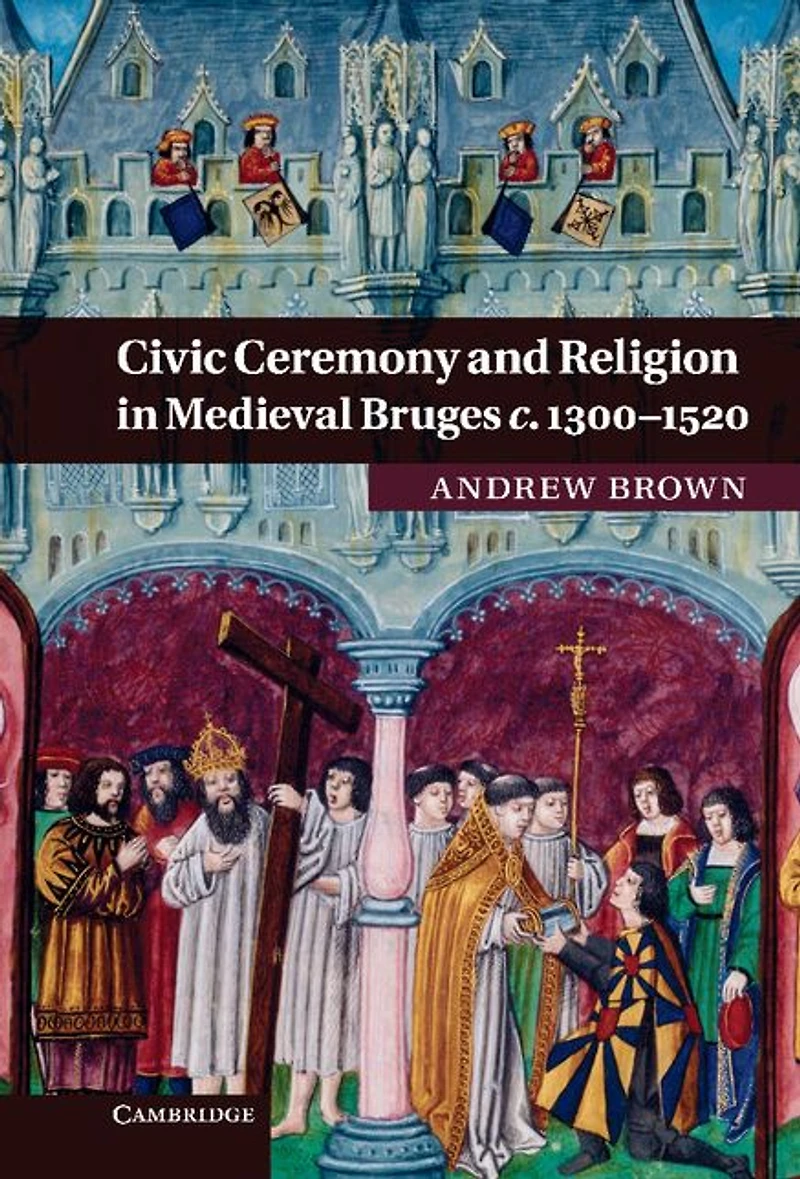
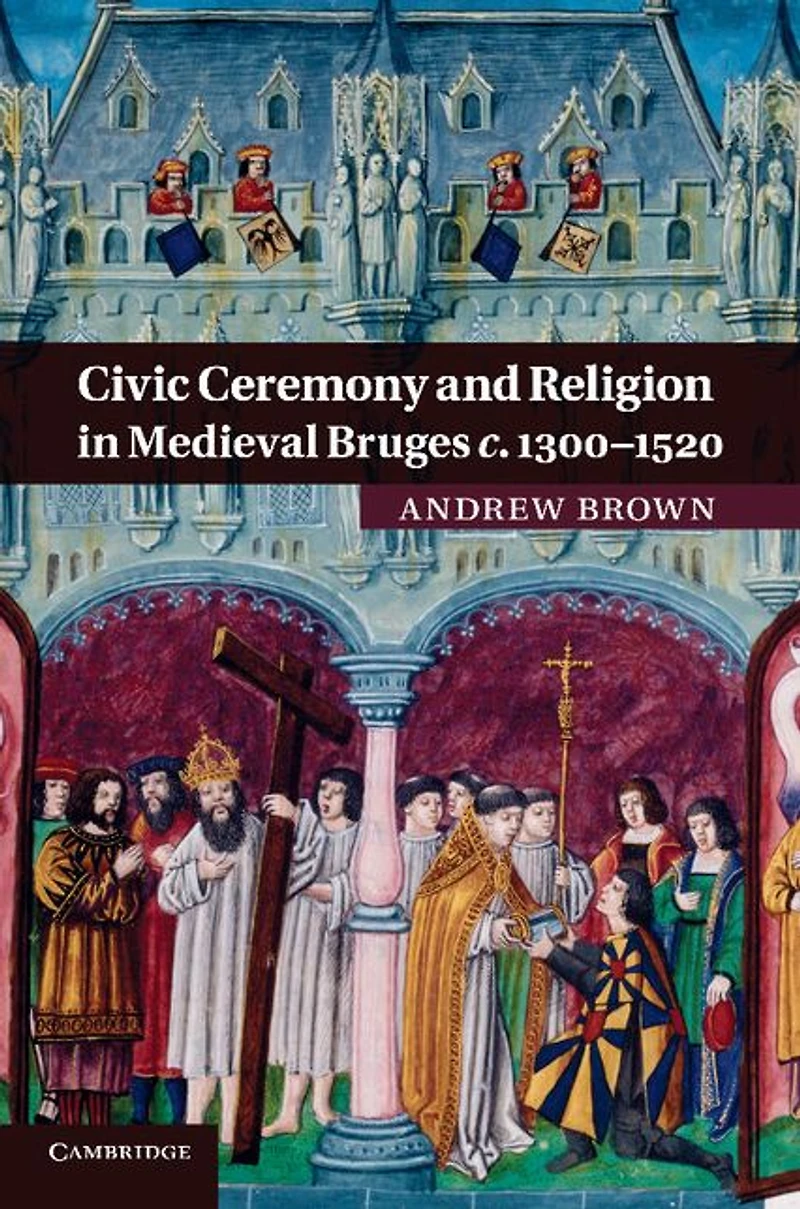
Civic Ceremony and Religion Medieval Bruges c.1300-1520 in Bloomington, MN
By Barnes & Noble
Current price: $53.00

Civic Ceremony and Religion Medieval Bruges c.1300-1520 in Bloomington, MN
Current price: $53.00
Loading Inventory...
Size: EBook
Public religious practice lay at the heart of civic society in late medieval Europe. In this illuminating study, Andrew Brown draws on the rich and previously little-researched archives of Bruges, one of medieval Europe's wealthiest and most important towns, to explore the role of religion and ceremony in urban society. The author situates the religious practices of citizens – their investment in the liturgy, commemorative services, guilds and charity – within the contexts of Bruges' highly diversified society and of the changes and crises the town experienced. Focusing on the religious processions and festivities sponsored by the municipal government, the author challenges much current thinking on, for example, the nature of ‘civic religion'. Re-evaluating the ceremonial links between Bruges and its rulers, he questions whether rulers could dominate the urban landscape by religious or ceremonial means, and offers new insight into the interplay between ritual and power of relevance throughout medieval Europe.
Public religious practice lay at the heart of civic society in late medieval Europe. In this illuminating study, Andrew Brown draws on the rich and previously little-researched archives of Bruges, one of medieval Europe's wealthiest and most important towns, to explore the role of religion and ceremony in urban society. The author situates the religious practices of citizens – their investment in the liturgy, commemorative services, guilds and charity – within the contexts of Bruges' highly diversified society and of the changes and crises the town experienced. Focusing on the religious processions and festivities sponsored by the municipal government, the author challenges much current thinking on, for example, the nature of ‘civic religion'. Re-evaluating the ceremonial links between Bruges and its rulers, he questions whether rulers could dominate the urban landscape by religious or ceremonial means, and offers new insight into the interplay between ritual and power of relevance throughout medieval Europe.
Shop Similar Products








Find at Mall of America® in Bloomington, MN
Visit at Mall of America® in Bloomington, MN