


Home
Christianity and the Contest for Manhood Late Antiquity: Cappadocian Fathers Rhetoric of Masculinity
Barnes and Noble
Loading Inventory...
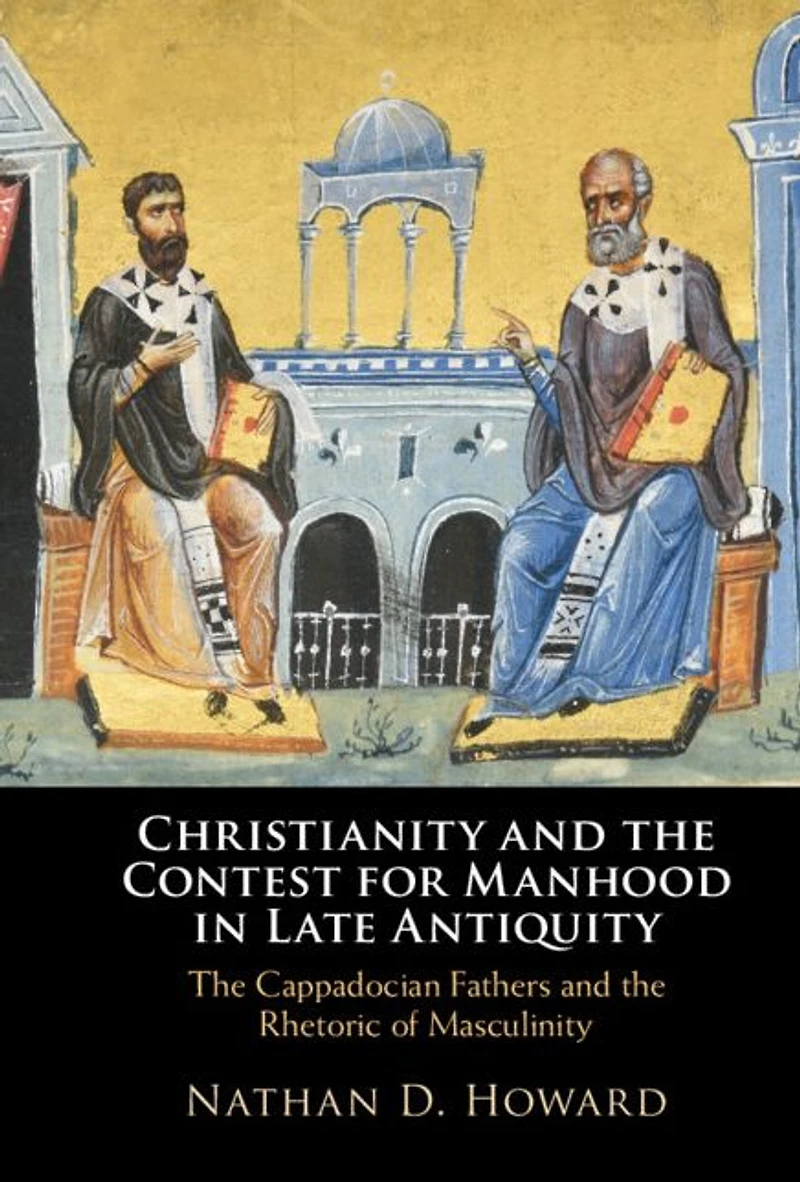
Christianity and the Contest for Manhood Late Antiquity: Cappadocian Fathers Rhetoric of Masculinity in Bloomington, MN
By Barnes & Noble
Current price: $34.99

Christianity and the Contest for Manhood Late Antiquity: Cappadocian Fathers Rhetoric of Masculinity in Bloomington, MN
Current price: $34.99
Loading Inventory...
Size: EBook
In this book, Nathan Howard explores gender and identity formation in fourth-century Cappadocia, where pro-Nicene bishops used a rhetoric of contest that aligned with conventions of classical Greek masculinity. Howard demonstrates that epistolary exhibitions served as 'a locus for' asserting manhood in the fourth century. These performances illustrate how a culture of orality that had defined manhood among civic elites was reframed as a contest whereby one accrued status through merits of composition. Howard shows how the Cappadocians' rhetoric also reordered the body and materiality as components of a maleness over which they moderated. He interrogates fourth-century theological conflict as part of a rhetorical battle over claims to manhood that supported the Cappadocians' theology and cast doubt on non-Trinitarian rivals, whom they cast as effeminate and disingenuous. Investigating accounts of pro-Nicene protagonists overcoming struggles, Howard establishes that tropes based on classical standards of gender contributed to the formation of Trinitarian orthodoxy.
In this book, Nathan Howard explores gender and identity formation in fourth-century Cappadocia, where pro-Nicene bishops used a rhetoric of contest that aligned with conventions of classical Greek masculinity. Howard demonstrates that epistolary exhibitions served as 'a locus for' asserting manhood in the fourth century. These performances illustrate how a culture of orality that had defined manhood among civic elites was reframed as a contest whereby one accrued status through merits of composition. Howard shows how the Cappadocians' rhetoric also reordered the body and materiality as components of a maleness over which they moderated. He interrogates fourth-century theological conflict as part of a rhetorical battle over claims to manhood that supported the Cappadocians' theology and cast doubt on non-Trinitarian rivals, whom they cast as effeminate and disingenuous. Investigating accounts of pro-Nicene protagonists overcoming struggles, Howard establishes that tropes based on classical standards of gender contributed to the formation of Trinitarian orthodoxy.
Shop Similar Products








Find at Mall of America® in Bloomington, MN
Visit at Mall of America® in Bloomington, MN