


Home
Changing Birth in the Andes: Culture, Policy, and Safe Motherhood in Peru
Barnes and Noble
Loading Inventory...
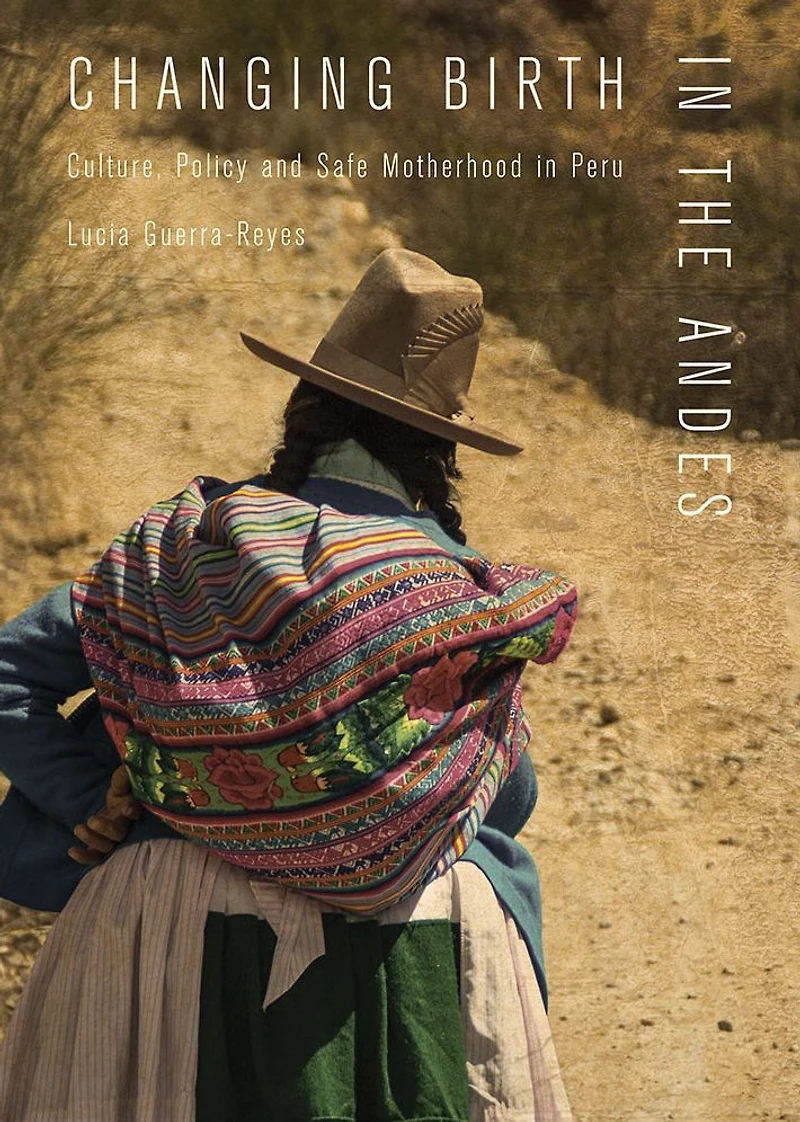
Changing Birth in the Andes: Culture, Policy, and Safe Motherhood in Peru in Bloomington, MN
By Barnes & Noble
Current price: $19.99

Changing Birth in the Andes: Culture, Policy, and Safe Motherhood in Peru in Bloomington, MN
Current price: $19.99
Loading Inventory...
Size: EBook
In 1997, when Lucia Guerra-Reyes began research in Peru, she observed a profound disconnect between the birth care desires of health personnel and those of indigenous women. Midwives and doctors would plead with her as the anthropologist to "educate women about the dangerous inadequacy of their traditions." They failed to see how their aim of achieving low rates of maternal mortality clashed with the experiences of local women, who often feared public health centers, where they could experience discrimination and verbal or physical abuse. Mainly, the women and their families sought a "good" birth, which was normally a home birth that corresponded with Andean perceptions of health as a balance of bodily humors. Peru's Intercultural Birthing Policy of 2005 was intended to solve these longstanding issues by recognizing indigenous cultural values and making biomedical care more accessible and desirable for indigenous women. Yet many difficulties remain. Guerra-Reyes also gives ethnographic attention to health care workers. She explains the class and educational backgrounds of traditional birth attendants and midwives, interviews doctors and health care administrators, and describes their interactions with local families. Interviews with national policy makers put the program in context.
In 1997, when Lucia Guerra-Reyes began research in Peru, she observed a profound disconnect between the birth care desires of health personnel and those of indigenous women. Midwives and doctors would plead with her as the anthropologist to "educate women about the dangerous inadequacy of their traditions." They failed to see how their aim of achieving low rates of maternal mortality clashed with the experiences of local women, who often feared public health centers, where they could experience discrimination and verbal or physical abuse. Mainly, the women and their families sought a "good" birth, which was normally a home birth that corresponded with Andean perceptions of health as a balance of bodily humors. Peru's Intercultural Birthing Policy of 2005 was intended to solve these longstanding issues by recognizing indigenous cultural values and making biomedical care more accessible and desirable for indigenous women. Yet many difficulties remain. Guerra-Reyes also gives ethnographic attention to health care workers. She explains the class and educational backgrounds of traditional birth attendants and midwives, interviews doctors and health care administrators, and describes their interactions with local families. Interviews with national policy makers put the program in context.
Shop Similar Products






Find at Mall of America® in Bloomington, MN
Visit at Mall of America® in Bloomington, MN