


Home
Cezanne's Other: The Portraits of Hortense
Barnes and Noble
Loading Inventory...
Cezanne's Other: The Portraits of Hortense in Bloomington, MN
By Barnes & Noble
Current price: $85.00

Cezanne's Other: The Portraits of Hortense in Bloomington, MN
Current price: $85.00
Loading Inventory...
Size: Hardcover
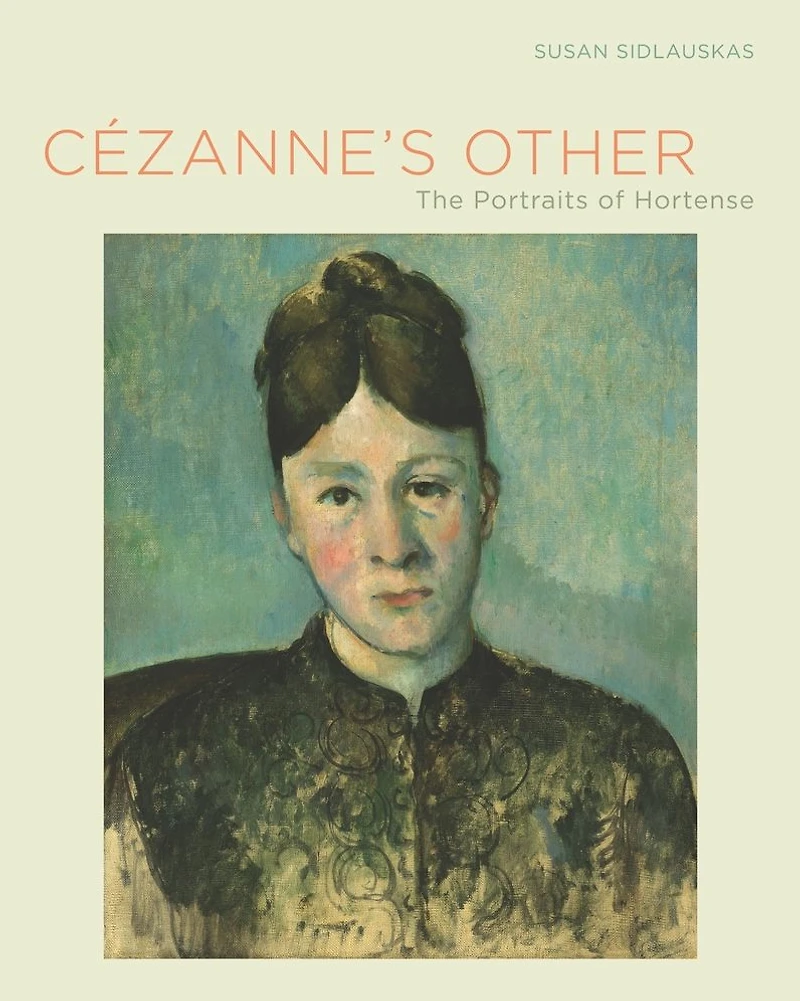
In the voluminous scholarship that's been written on Paul Cézanne, little has been said about the twentyfour portraits in oil that Cézanne made of his wife, Hortense Fiquet Cézanne, over an extended twentyyear period. In Cézanne's Other: The Portraits of Hortense, Susan Sidlauskas breaks new ground, focusing on these paintings as a group and looking particularly at the differences that render many of them unrecognizable as the same person. She argues that Cézanne sidestepped the conventional goals of portraiturehe avoids representing a consistent, identifiable physiognomy or conventional feminine postures and does not portray the subject's inner lifemaking lack of fixedness itself his subject, which leads him ultimately to a radical reformulation of modern portraiture. Sidlauskas also upends the notion of Mme Cézanne as the irrelevant and absent spouse. Instead she reveals Hortense Fiquet Cézanne as a presence so crucial to the artist that she became the essential “other” to his everevolving “self.” Coupling historical texts from philosophy, psychology, and physiology with more recent writings from women's and gender studies, cognitive psychology, and visual culture, Sidlauskas demonstrates that Mme Cézanne offered intimacy at arm's length for the painter who has been dubbed “the lone wolf of Aix.”
In the voluminous scholarship that's been written on Paul Cézanne, little has been said about the twentyfour portraits in oil that Cézanne made of his wife, Hortense Fiquet Cézanne, over an extended twentyyear period. In Cézanne's Other: The Portraits of Hortense, Susan Sidlauskas breaks new ground, focusing on these paintings as a group and looking particularly at the differences that render many of them unrecognizable as the same person. She argues that Cézanne sidestepped the conventional goals of portraiturehe avoids representing a consistent, identifiable physiognomy or conventional feminine postures and does not portray the subject's inner lifemaking lack of fixedness itself his subject, which leads him ultimately to a radical reformulation of modern portraiture. Sidlauskas also upends the notion of Mme Cézanne as the irrelevant and absent spouse. Instead she reveals Hortense Fiquet Cézanne as a presence so crucial to the artist that she became the essential “other” to his everevolving “self.” Coupling historical texts from philosophy, psychology, and physiology with more recent writings from women's and gender studies, cognitive psychology, and visual culture, Sidlauskas demonstrates that Mme Cézanne offered intimacy at arm's length for the painter who has been dubbed “the lone wolf of Aix.”









Find at Mall of America® in Bloomington, MN
Visit at Mall of America® in Bloomington, MN