


Home
Caught in the Middle at the U.S.-Canadian Border
Barnes and Noble
Loading Inventory...
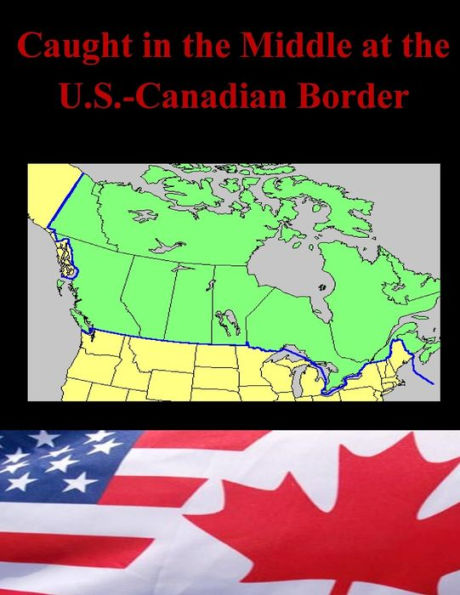
Caught in the Middle at the U.S.-Canadian Border in Bloomington, MN
Current price: $14.95

Caught in the Middle at the U.S.-Canadian Border in Bloomington, MN
Current price: $14.95
Loading Inventory...
Size: OS
The U.S. Canada relationship encompasses strong partnership and economic interdependence; however, policy conflicts are prevalent throughout its history. Acute events for example, the September 11, 2001, terror attacks exacerbate the conflict, while raising the stakes of disunity between these two long standing allies. Opposing policy priorities also undermine and interfere with their relationship. American policymakers have a security first mindset while Canadians are primarily focused on efficient cross border trade. Caught in the middle are the Great Lakes regional states that must straddle this policy divide.This work addresses the policy imbalance between the United States and Canada and considers how this dynamic affects both countries and the Great Lakes regional states through historical and contemporary lenses. In addition, a potentially disastrous but plausible future scenario addresses the detrimental consequences of maintaining the status quo in Washington and Ottawa. This analysis draws on numerous scholarly works and a variety of governmental reports, hearings, and strategies. The examination then turns to federal, state, and local border concerns, as well as institutional capabilities for comparison. Finally, policy recommendations focus each of the primary border players in the Great Lakes region on balancing their various economic and security interests along the shared border.
The U.S. Canada relationship encompasses strong partnership and economic interdependence; however, policy conflicts are prevalent throughout its history. Acute events for example, the September 11, 2001, terror attacks exacerbate the conflict, while raising the stakes of disunity between these two long standing allies. Opposing policy priorities also undermine and interfere with their relationship. American policymakers have a security first mindset while Canadians are primarily focused on efficient cross border trade. Caught in the middle are the Great Lakes regional states that must straddle this policy divide.This work addresses the policy imbalance between the United States and Canada and considers how this dynamic affects both countries and the Great Lakes regional states through historical and contemporary lenses. In addition, a potentially disastrous but plausible future scenario addresses the detrimental consequences of maintaining the status quo in Washington and Ottawa. This analysis draws on numerous scholarly works and a variety of governmental reports, hearings, and strategies. The examination then turns to federal, state, and local border concerns, as well as institutional capabilities for comparison. Finally, policy recommendations focus each of the primary border players in the Great Lakes region on balancing their various economic and security interests along the shared border.
Shop Similar Products




![The Border [Orange Vinyl] [Barnes & Noble Exclusive]](https://prodimage.images-bn.com/pimages/0196588897917_p0_v2_s600x595.jpg)










Find at Mall of America® in Bloomington, MN
Visit at Mall of America® in Bloomington, MN