


Home
Catching Nature in the Act: Réaumur & the Practice of Natural History in the Eighteenth Century
Barnes and Noble
Loading Inventory...
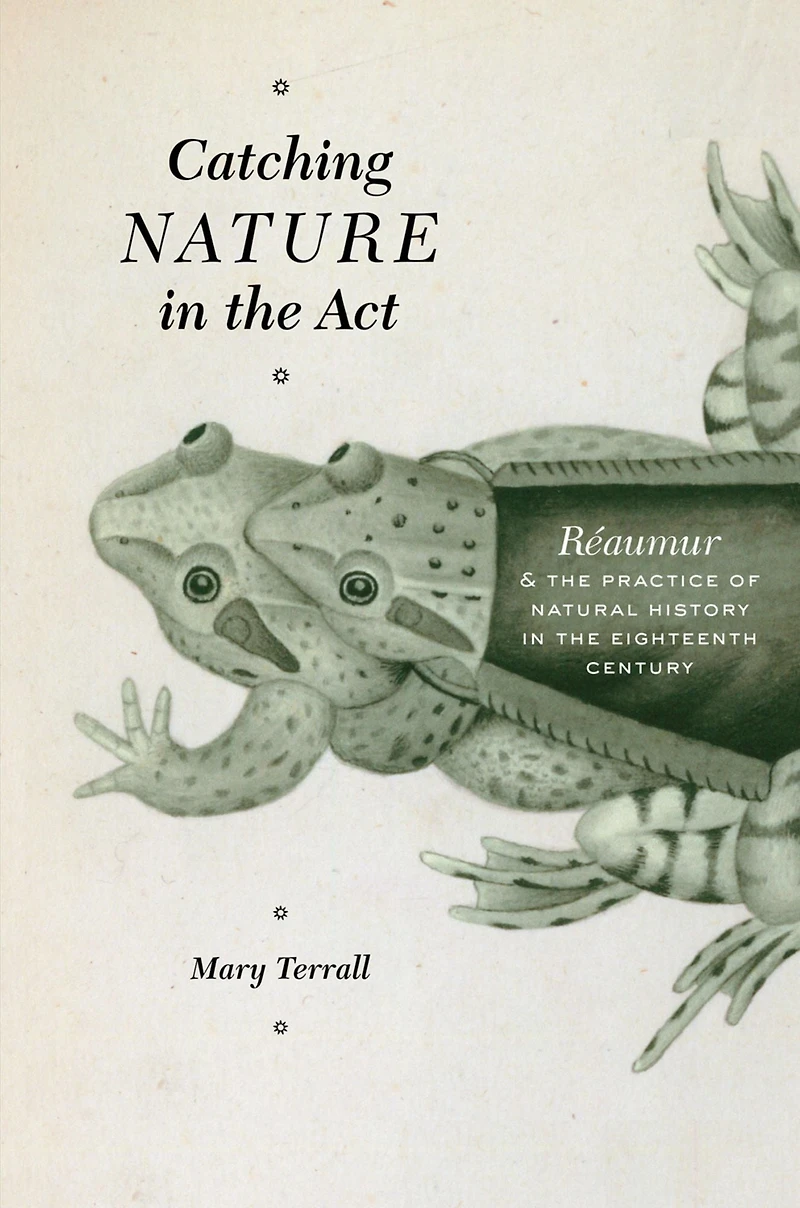
Catching Nature in the Act: Réaumur & the Practice of Natural History in the Eighteenth Century in Bloomington, MN
By Barnes & Noble
Current price: $19.99

Catching Nature in the Act: Réaumur & the Practice of Natural History in the Eighteenth Century in Bloomington, MN
Current price: $19.99
Loading Inventory...
Size: EBook
Natural history in the eighteenth century was many things to many people—diversion, obsession, medically or economically useful knowledge, spectacle, evidence for God's providence and wisdom, or even the foundation of all natural knowledge. Because natural history was pursued by such a variety of people around the globe, with practitioners sharing neither methods nor training, it has been characterized as a science of straightforward description, devoted to amassing observations as the raw material for classification and thus fundamentally distinct from experimental physical science. In Catching Nature in the Act, Mary Terrall revises this picture, revealing how eighteenth-century natural historians incorporated various experimental techniques and strategies into their practice. At the center of Terrall's study is René-Antoine Ferchault de Réaumur (1683–1757)—the definitive authority on natural history in the middle decades of the eighteenth century—and his many correspondents, assistants, and collaborators. Through a close examination of Réaumur's publications, papers, and letters, Terrall reconstructs the working relationships among these naturalists and shows how observing, collecting, and experimenting fit into their daily lives. Essential reading for historians of science and early modern Europe, Catching Nature in the Act defines and excavates a dynamic field of francophone natural history that has been inadequately mined and understood to date.
Natural history in the eighteenth century was many things to many people—diversion, obsession, medically or economically useful knowledge, spectacle, evidence for God's providence and wisdom, or even the foundation of all natural knowledge. Because natural history was pursued by such a variety of people around the globe, with practitioners sharing neither methods nor training, it has been characterized as a science of straightforward description, devoted to amassing observations as the raw material for classification and thus fundamentally distinct from experimental physical science. In Catching Nature in the Act, Mary Terrall revises this picture, revealing how eighteenth-century natural historians incorporated various experimental techniques and strategies into their practice. At the center of Terrall's study is René-Antoine Ferchault de Réaumur (1683–1757)—the definitive authority on natural history in the middle decades of the eighteenth century—and his many correspondents, assistants, and collaborators. Through a close examination of Réaumur's publications, papers, and letters, Terrall reconstructs the working relationships among these naturalists and shows how observing, collecting, and experimenting fit into their daily lives. Essential reading for historians of science and early modern Europe, Catching Nature in the Act defines and excavates a dynamic field of francophone natural history that has been inadequately mined and understood to date.
Shop Similar Products
















Find at Mall of America® in Bloomington, MN
Visit at Mall of America® in Bloomington, MN