


Home
Cameroon: Traumas of the Body Politic
Barnes and Noble
Loading Inventory...
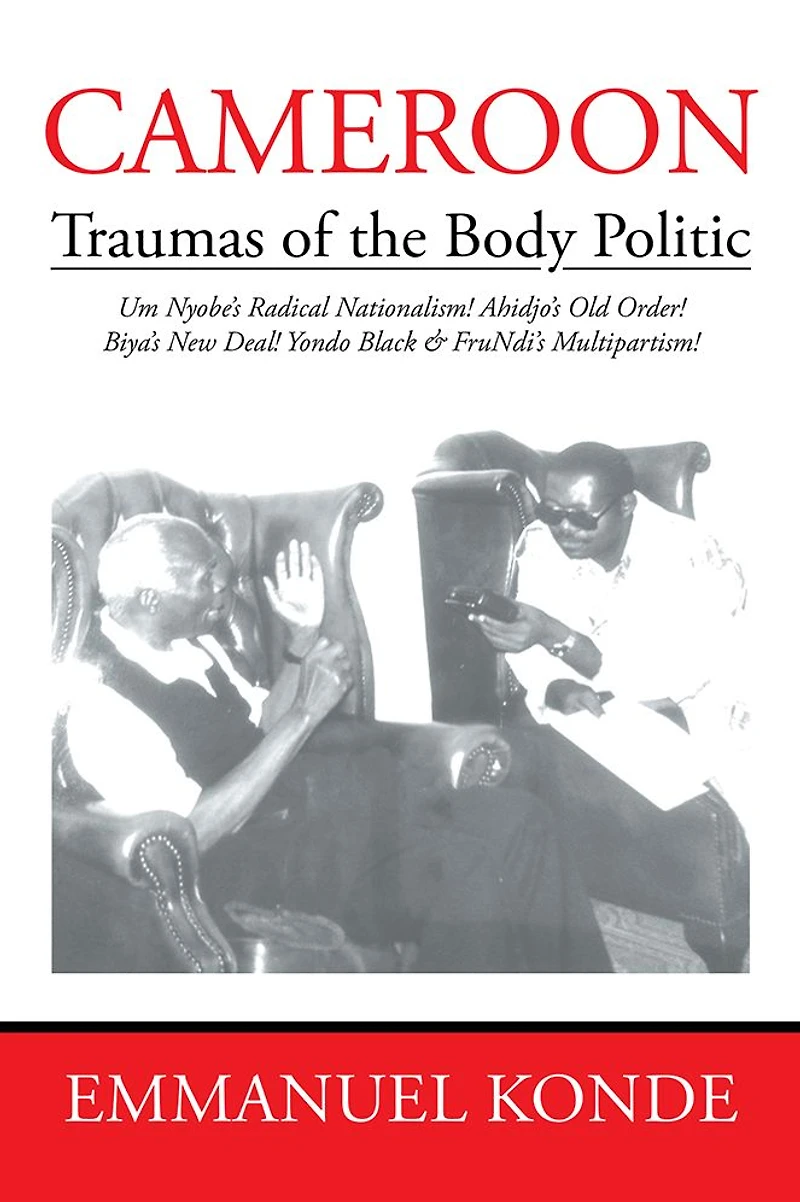
Cameroon: Traumas of the Body Politic in Bloomington, MN
By Barnes & Noble
Current price: $3.99

Cameroon: Traumas of the Body Politic in Bloomington, MN
Current price: $3.99
Loading Inventory...
Size: EBook
Cameroun was “conceived” in 1947 at the Unicafra Congress in Douala, attended by all the aspiring political actors, from which sprung Racam (Rassemblement Camerounais) that declared itself the Cameroun government in embryo. Shocked by that effrontery, the French colonial state immediately banned Racam. From the ruins of Racam emerged Union des Populations du Cameroun (UPC) in 1948 that stood opposed to French policies in Cameroun. It opposed France in Cameroon for ten years until the French assassinated its leader—Ruben Um Nyobe—in September 1958. In January 1959 France decolonized and granted Cameroun independence at a time when the people were still reeling from the trauma of Um Nyobe’s death. Cameroon: Traumas of the Body Politic examines the traumatic events that have shaped the contours and influenced the trajectory of Cameroon’s political history from the 1940s to the 1990s: the momentous power shifts of 1958 and 1959 in the two Cameroons; rupture of coastal and hinterland cooperation in Southern Cameroons; the political revolution called “anlu” that changed the course of politics in Southern Cameroons; the disappointment of reunification and the genesis of the Anglophone Problem; Ahidjo’s quarter-century reign of terror; the succession schism, attempted coup d’état, political liberalization, and the “New Deal Society” experiment; the quest for multipartyism and “Operation Ghost Town”, etc. These events are explored anew through critical analysis, synthesis, and re-interpretation with uncommon explanatory power.
Cameroun was “conceived” in 1947 at the Unicafra Congress in Douala, attended by all the aspiring political actors, from which sprung Racam (Rassemblement Camerounais) that declared itself the Cameroun government in embryo. Shocked by that effrontery, the French colonial state immediately banned Racam. From the ruins of Racam emerged Union des Populations du Cameroun (UPC) in 1948 that stood opposed to French policies in Cameroun. It opposed France in Cameroon for ten years until the French assassinated its leader—Ruben Um Nyobe—in September 1958. In January 1959 France decolonized and granted Cameroun independence at a time when the people were still reeling from the trauma of Um Nyobe’s death. Cameroon: Traumas of the Body Politic examines the traumatic events that have shaped the contours and influenced the trajectory of Cameroon’s political history from the 1940s to the 1990s: the momentous power shifts of 1958 and 1959 in the two Cameroons; rupture of coastal and hinterland cooperation in Southern Cameroons; the political revolution called “anlu” that changed the course of politics in Southern Cameroons; the disappointment of reunification and the genesis of the Anglophone Problem; Ahidjo’s quarter-century reign of terror; the succession schism, attempted coup d’état, political liberalization, and the “New Deal Society” experiment; the quest for multipartyism and “Operation Ghost Town”, etc. These events are explored anew through critical analysis, synthesis, and re-interpretation with uncommon explanatory power.
Shop Similar Products







Find at Mall of America® in Bloomington, MN
Visit at Mall of America® in Bloomington, MN