


Home
Byzantine Civilization
Barnes and Noble
Loading Inventory...
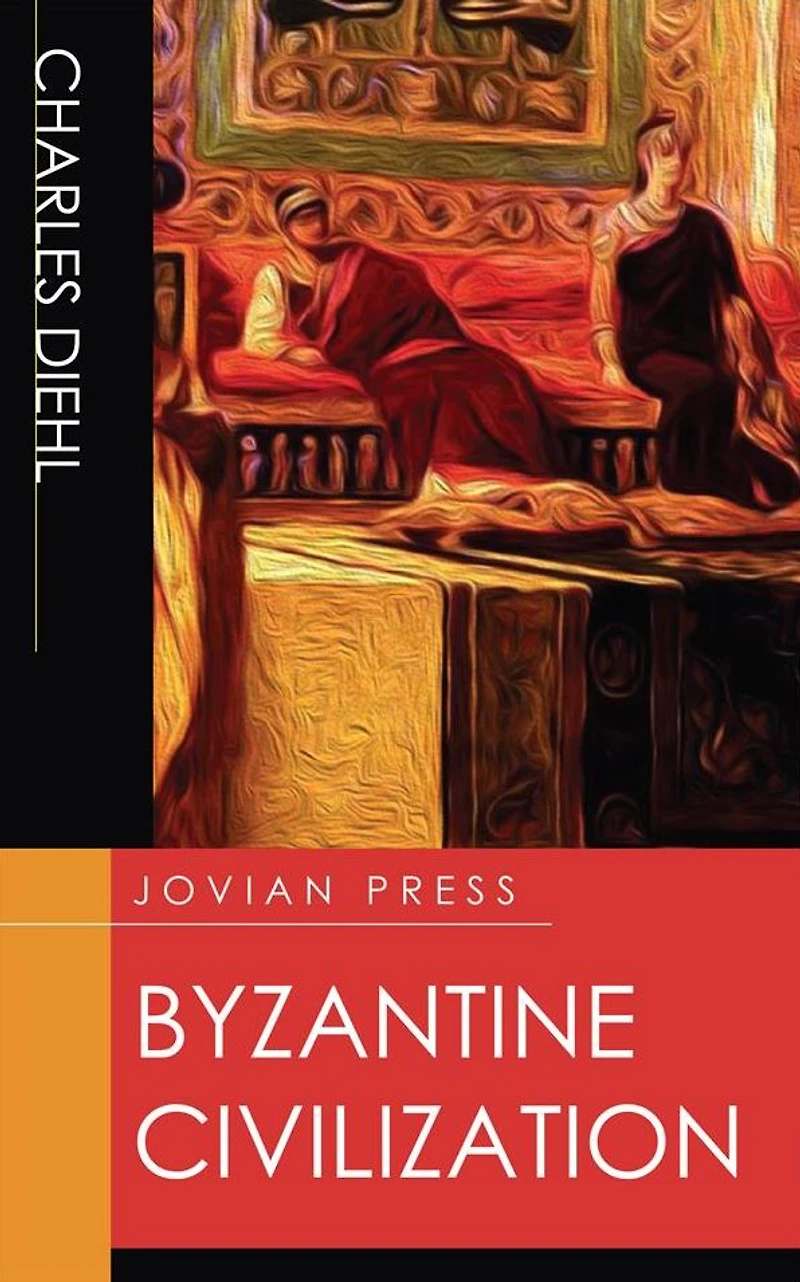
Byzantine Civilization in Bloomington, MN
By Barnes & Noble
Current price: $0.99

Byzantine Civilization in Bloomington, MN
Current price: $0.99
Loading Inventory...
Size: EBook
Few States, even in the Middle Ages, possessed so absolute a conception of monarchical authority as the Byzantine Empire. The Emperor, or Basileus as he was officially termed after the beginning of the seventh century, always regarded himself as the legitimate heir and successor of the Roman Caesars; like them he was the Imperator, that is, both the supreme war-lord and the unimpeachable legislator, the living incarnation and infallible mouthpiece of the law. Since his contact with the Asiatic East, he had become something more, the master (despotes), the autocrat (autokrator), the absolute sovereign below whom there existed, not subjects, but, as they humbly styled themselves, slaves; the greatest personages only approached him after prostrating themselves in an actual act of adoration. Finally, Christianity had bestowed a crowning attribute on him. He was the elect of God, His Vicar in earth, and, as was said in Byzantium, a prince equal to the apostles (isapostolos); by right of which he was regarded as the supreme head and defender of religion, at once king and priest, absolute, and infallible in the spiritual order as he was in temporal matters. And from the combination of these various elements there resulted a despotic and sacred power, whose exercise, at least theoretically, knew no bounds, an authority not only based on political investiture but also consecrated and adorned with matchless luster by God and the Church...
Few States, even in the Middle Ages, possessed so absolute a conception of monarchical authority as the Byzantine Empire. The Emperor, or Basileus as he was officially termed after the beginning of the seventh century, always regarded himself as the legitimate heir and successor of the Roman Caesars; like them he was the Imperator, that is, both the supreme war-lord and the unimpeachable legislator, the living incarnation and infallible mouthpiece of the law. Since his contact with the Asiatic East, he had become something more, the master (despotes), the autocrat (autokrator), the absolute sovereign below whom there existed, not subjects, but, as they humbly styled themselves, slaves; the greatest personages only approached him after prostrating themselves in an actual act of adoration. Finally, Christianity had bestowed a crowning attribute on him. He was the elect of God, His Vicar in earth, and, as was said in Byzantium, a prince equal to the apostles (isapostolos); by right of which he was regarded as the supreme head and defender of religion, at once king and priest, absolute, and infallible in the spiritual order as he was in temporal matters. And from the combination of these various elements there resulted a despotic and sacred power, whose exercise, at least theoretically, knew no bounds, an authority not only based on political investiture but also consecrated and adorned with matchless luster by God and the Church...
Shop Similar Products









Find at Mall of America® in Bloomington, MN
Visit at Mall of America® in Bloomington, MN