


Home
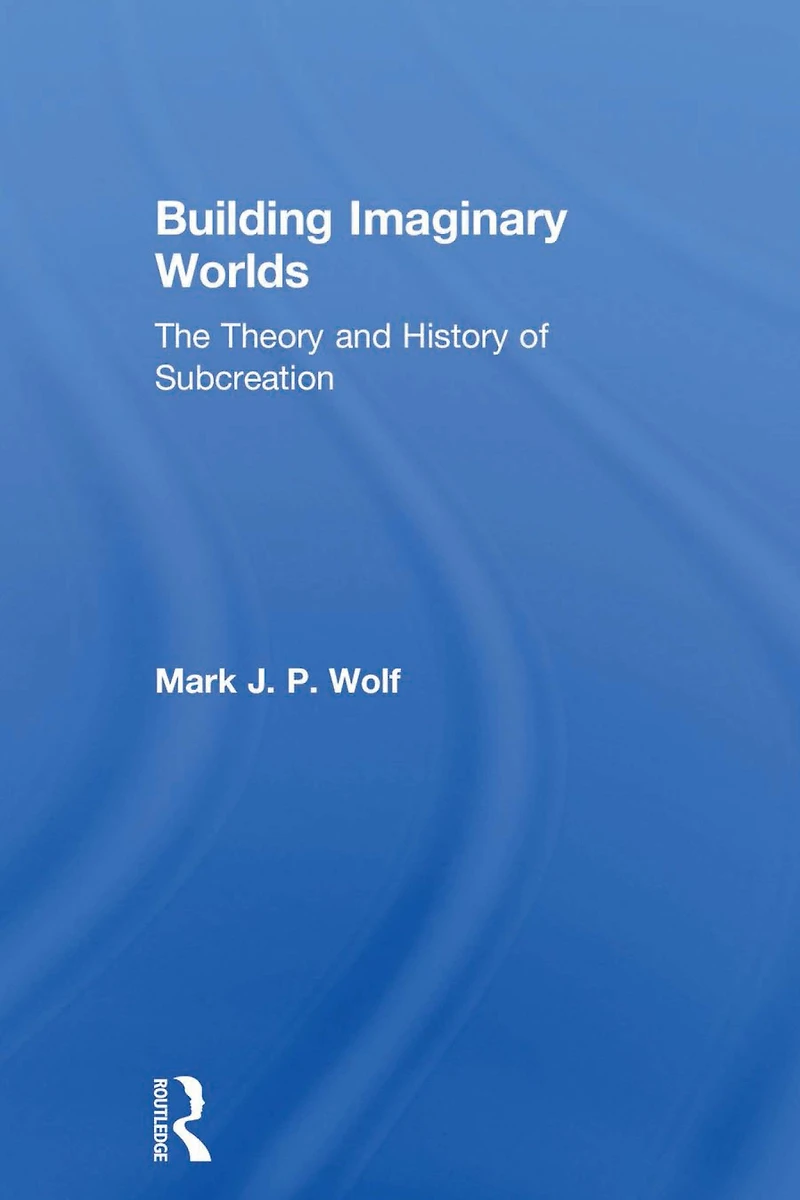
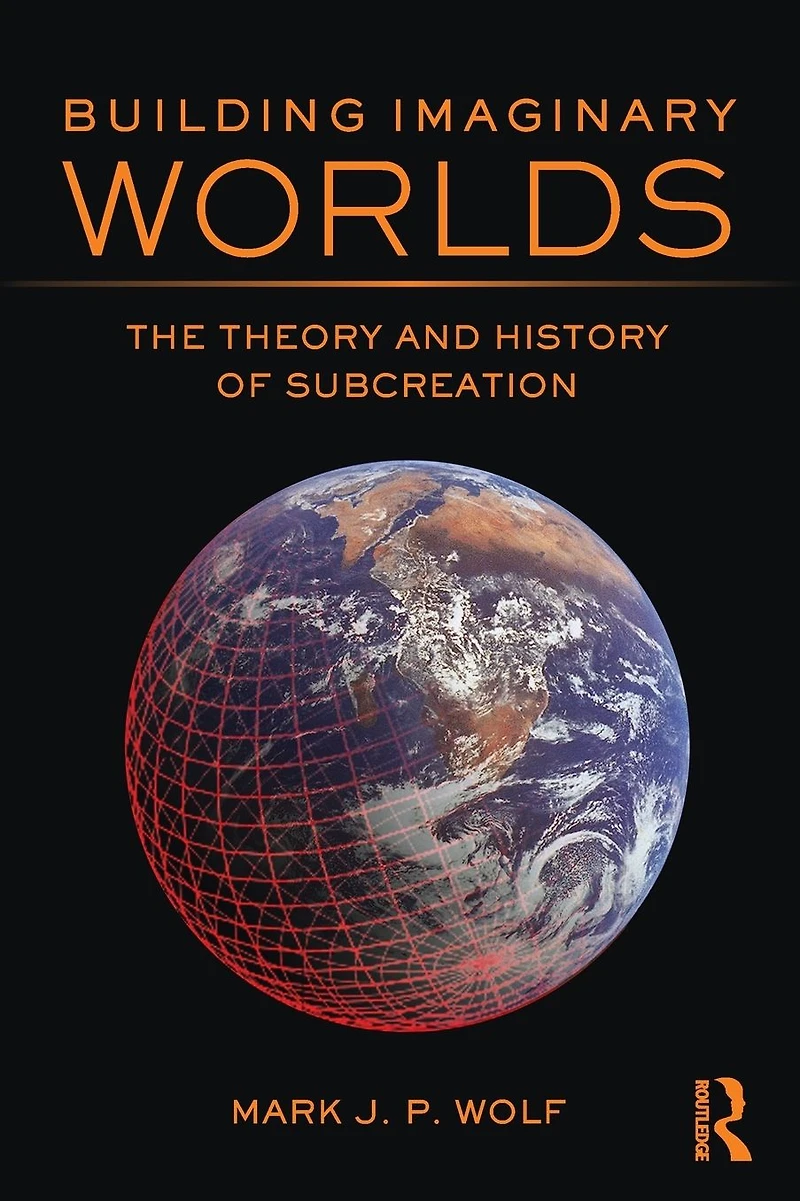
Building Imaginary Worlds: The Theory and History of Subcreation
Barnes and Noble
Loading Inventory...
Building Imaginary Worlds: The Theory and History of Subcreation in Bloomington, MN
By Barnes & Noble
Current price: $76.99

Building Imaginary Worlds: The Theory and History of Subcreation in Bloomington, MN
Current price: $76.99
Loading Inventory...
Size: EBook
Mark J.P. Wolf’s study of imaginary worlds theorizes world-building within and across media, including literature, comics, film, radio, television, board games, video games, the Internet, and more. Building Imaginary Worlds departs from prior approaches to imaginary worlds that focused mainly on narrative, medium, or genre, and instead considers imaginary worlds as dynamic entities in and of themselves. Wolf argues that imaginary worlds—which are often transnarrative, transmedial, and transauthorial in nature—are compelling objects of inquiry for Media Studies. Chapters touch on: a theoretical analysis of how world-building extends beyond storytelling, the engagement of the audience, and the way worlds are conceptualized and experienced a history of imaginary worlds that follows their development over three millennia from the fictional islands of Homer’s Odyssey to the present internarrative theory examining how narratives set in the same world can interact and relate to one another an examination of transmedial growth and adaptation, and what happens when worlds make the jump between media an analysis of the transauthorial nature of imaginary worlds, the resulting concentric circles of authorship, and related topics of canonicity, participatory worlds, and subcreation’s relationship with divine Creation Building Imaginary Worlds also provides the scholar of imaginary worlds with a glossary of terms and a detailed timeline that spans three millennia and more than 1,400 imaginary worlds, listing their names, creators, and the works in which they first appeared.
Mark J.P. Wolf’s study of imaginary worlds theorizes world-building within and across media, including literature, comics, film, radio, television, board games, video games, the Internet, and more. Building Imaginary Worlds departs from prior approaches to imaginary worlds that focused mainly on narrative, medium, or genre, and instead considers imaginary worlds as dynamic entities in and of themselves. Wolf argues that imaginary worlds—which are often transnarrative, transmedial, and transauthorial in nature—are compelling objects of inquiry for Media Studies. Chapters touch on: a theoretical analysis of how world-building extends beyond storytelling, the engagement of the audience, and the way worlds are conceptualized and experienced a history of imaginary worlds that follows their development over three millennia from the fictional islands of Homer’s Odyssey to the present internarrative theory examining how narratives set in the same world can interact and relate to one another an examination of transmedial growth and adaptation, and what happens when worlds make the jump between media an analysis of the transauthorial nature of imaginary worlds, the resulting concentric circles of authorship, and related topics of canonicity, participatory worlds, and subcreation’s relationship with divine Creation Building Imaginary Worlds also provides the scholar of imaginary worlds with a glossary of terms and a detailed timeline that spans three millennia and more than 1,400 imaginary worlds, listing their names, creators, and the works in which they first appeared.
Shop Similar Products














Find at Mall of America® in Bloomington, MN
Visit at Mall of America® in Bloomington, MN