


Home
Bronze Monsters and the Cultures of Wonder: Griffin Cauldrons in the Preclassical Mediterranean
Barnes and Noble
Loading Inventory...
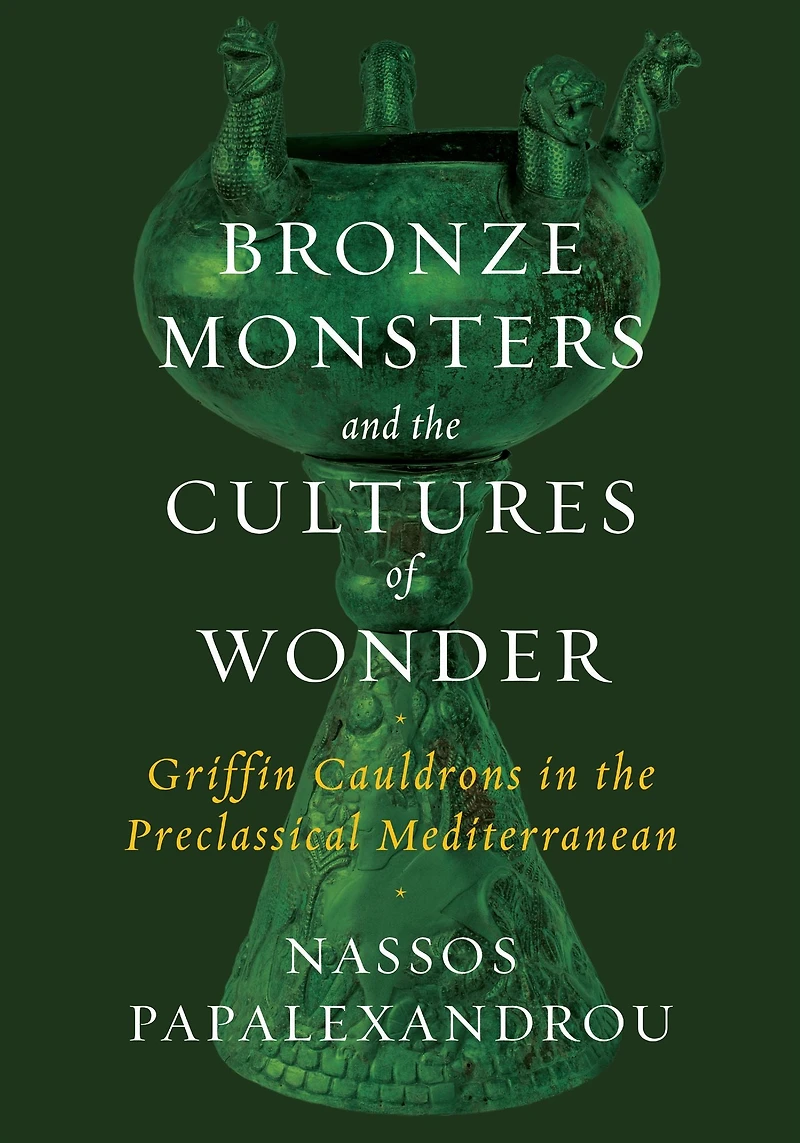
Bronze Monsters and the Cultures of Wonder: Griffin Cauldrons in the Preclassical Mediterranean in Bloomington, MN
By Barnes & Noble
Current price: $55.00

Bronze Monsters and the Cultures of Wonder: Griffin Cauldrons in the Preclassical Mediterranean in Bloomington, MN
Current price: $55.00
Loading Inventory...
Size: EBook
The eighth and seventh centuries BCE were a time of flourishing exchange between the Mediterranean and the Near East. One of the period’s key imports to the Hellenic and Italic worlds was the image of the griffin, a mythical monster that usually possesses the body of a lion and the head of an eagle. In particular, bronze cauldrons bore griffin protomes—figurative attachments showing the neck and head of the beast. Crafted in fine detail, the protomes were made to appear full of vigor, transfixing viewers. Bronze Monsters and the Cultures of Wonder takes griffin cauldrons as case studies in the shifting material and visual universes of preclassical antiquity, arguing that they were perceived as lifelike monsters that introduced the illusion of verisimilitude to Mediterranean arts. The objects were placed in the tombs of the wealthy (Italy, Cyprus) and in sanctuaries (Greece), creating fantastical environments akin to later cabinets of curiosities. Yet griffin cauldrons were accessible only to elites, ensuring that the new experience of visuality they fostered was itself a symbol of status. Focusing on the sensory encounter of this new visuality, Nassos Papalexandrou shows how spaces made wondrous fostered novel subjectivities and social distinctions.
The eighth and seventh centuries BCE were a time of flourishing exchange between the Mediterranean and the Near East. One of the period’s key imports to the Hellenic and Italic worlds was the image of the griffin, a mythical monster that usually possesses the body of a lion and the head of an eagle. In particular, bronze cauldrons bore griffin protomes—figurative attachments showing the neck and head of the beast. Crafted in fine detail, the protomes were made to appear full of vigor, transfixing viewers. Bronze Monsters and the Cultures of Wonder takes griffin cauldrons as case studies in the shifting material and visual universes of preclassical antiquity, arguing that they were perceived as lifelike monsters that introduced the illusion of verisimilitude to Mediterranean arts. The objects were placed in the tombs of the wealthy (Italy, Cyprus) and in sanctuaries (Greece), creating fantastical environments akin to later cabinets of curiosities. Yet griffin cauldrons were accessible only to elites, ensuring that the new experience of visuality they fostered was itself a symbol of status. Focusing on the sensory encounter of this new visuality, Nassos Papalexandrou shows how spaces made wondrous fostered novel subjectivities and social distinctions.
Shop Similar Products






Find at Mall of America® in Bloomington, MN
Visit at Mall of America® in Bloomington, MN