


Home
Bodies of Work: the First World War and Transnational Making Rehabilitation
Barnes and Noble
Loading Inventory...
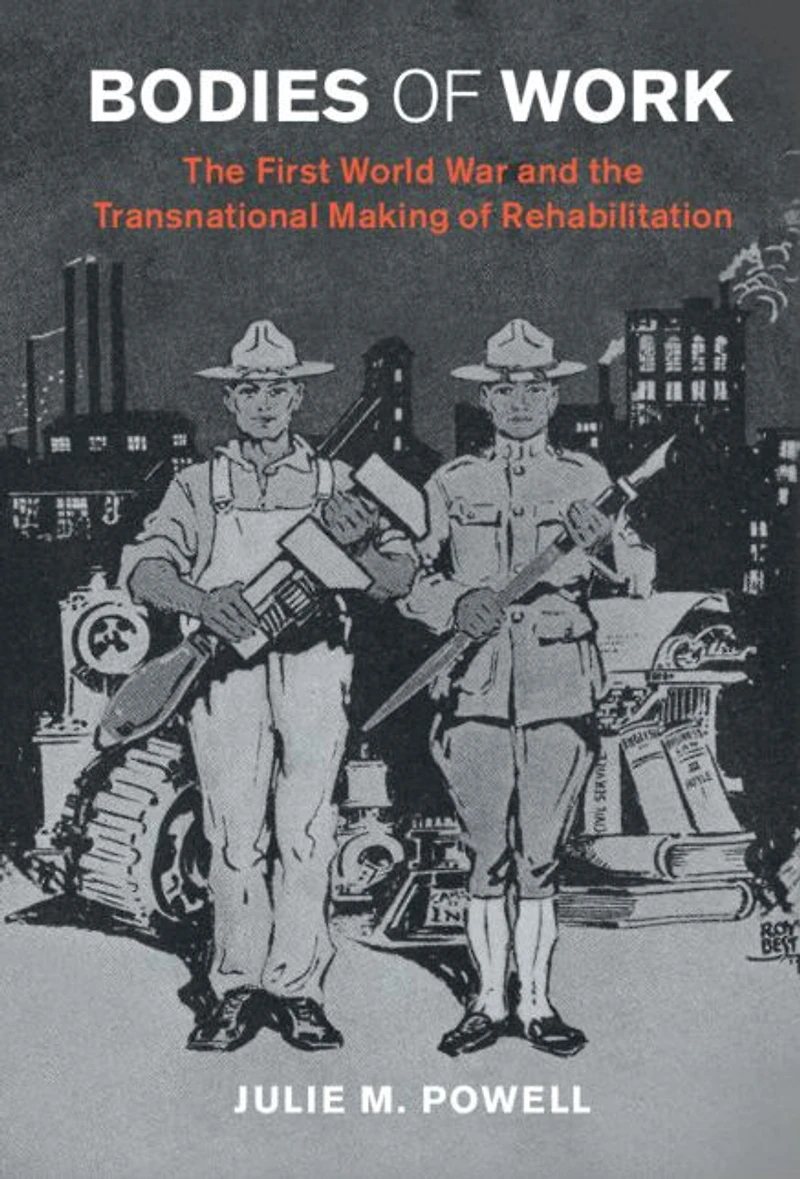
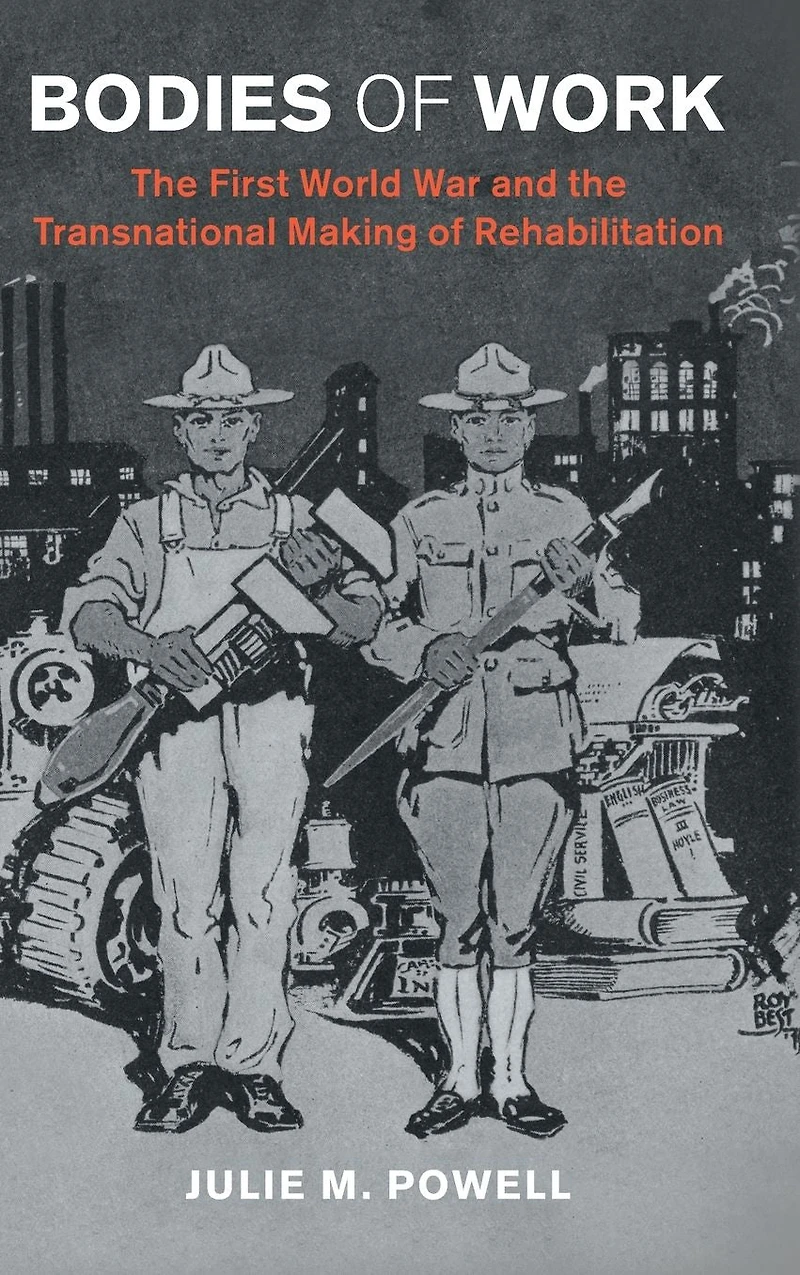
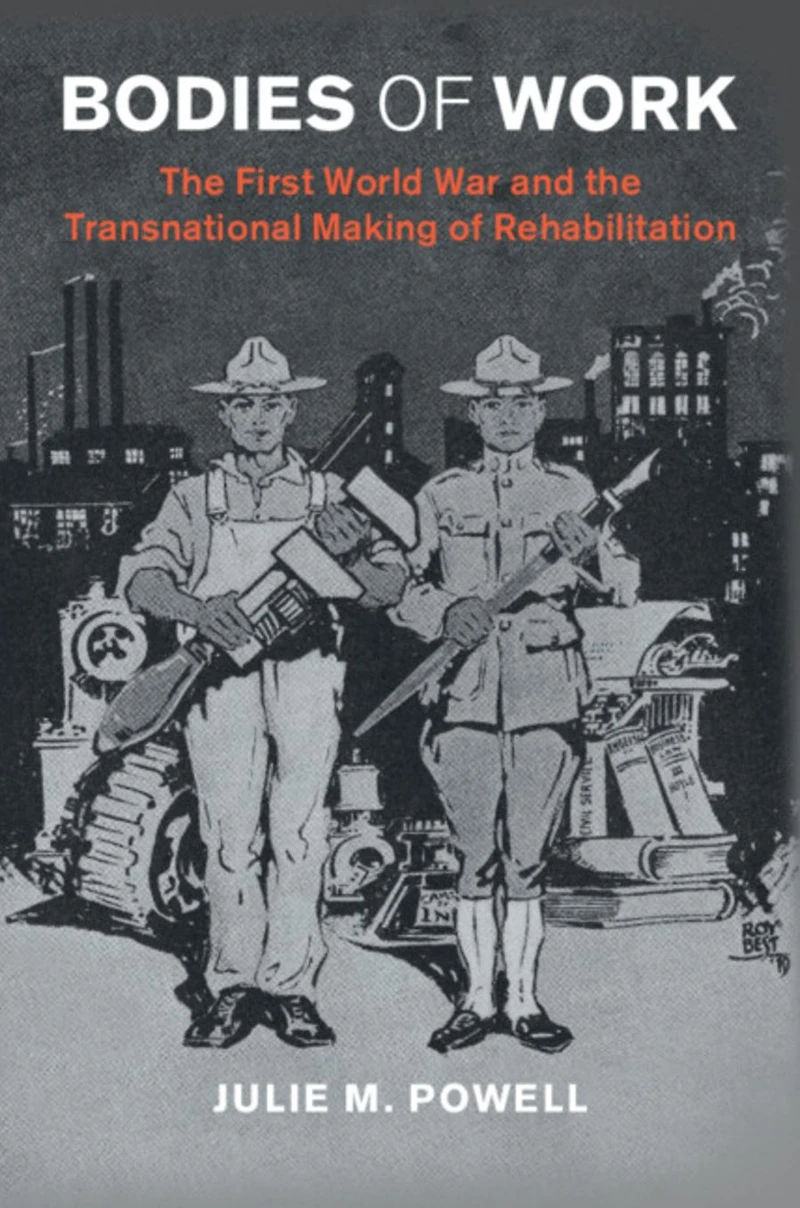
Bodies of Work: the First World War and Transnational Making Rehabilitation in Bloomington, MN
By Barnes & Noble
Current price: $39.99

Bodies of Work: the First World War and Transnational Making Rehabilitation in Bloomington, MN
Current price: $39.99
Loading Inventory...
Size: EBook
Bodies of Work examines the transnational development of large-scale national systems, international organizations, technologies, and cultural material aimed at rehabilitating Allied ex-servicemen, disabled in the First World War. When nations mobilised in August 1914, it was thought that casualties would be minimal and the war would be quickly over. Little consideration was given to what ought to be done for those men whose bodies would forever bear the marks of war's destruction. Julie M. Powell charts how rehabilitation emerged as the best means to deal with millions of disabled ex-servicemen. She considers the ways in which rehabilitation was shaped by both durable and discrete influences, including social reformism, paternalist philanthropy, the movement for workers' rights, patriotism, class tensions, cultural ideas about manliness and disability, nationalism, and internationalism. Powell sheds light on the ways in which rehabilitation systems became sites for the contestation and maintenance of boundaries of belonging.
Bodies of Work examines the transnational development of large-scale national systems, international organizations, technologies, and cultural material aimed at rehabilitating Allied ex-servicemen, disabled in the First World War. When nations mobilised in August 1914, it was thought that casualties would be minimal and the war would be quickly over. Little consideration was given to what ought to be done for those men whose bodies would forever bear the marks of war's destruction. Julie M. Powell charts how rehabilitation emerged as the best means to deal with millions of disabled ex-servicemen. She considers the ways in which rehabilitation was shaped by both durable and discrete influences, including social reformism, paternalist philanthropy, the movement for workers' rights, patriotism, class tensions, cultural ideas about manliness and disability, nationalism, and internationalism. Powell sheds light on the ways in which rehabilitation systems became sites for the contestation and maintenance of boundaries of belonging.












Find at Mall of America® in Bloomington, MN
Visit at Mall of America® in Bloomington, MN