


Home
Birdsong, Speech and Poetry: the Art of Composition Long Nineteenth Century
Barnes and Noble
Loading Inventory...
Birdsong, Speech and Poetry: the Art of Composition Long Nineteenth Century in Bloomington, MN
By Barnes & Noble
Current price: $29.99

Birdsong, Speech and Poetry: the Art of Composition Long Nineteenth Century in Bloomington, MN
Current price: $29.99
Loading Inventory...
Size: EBook
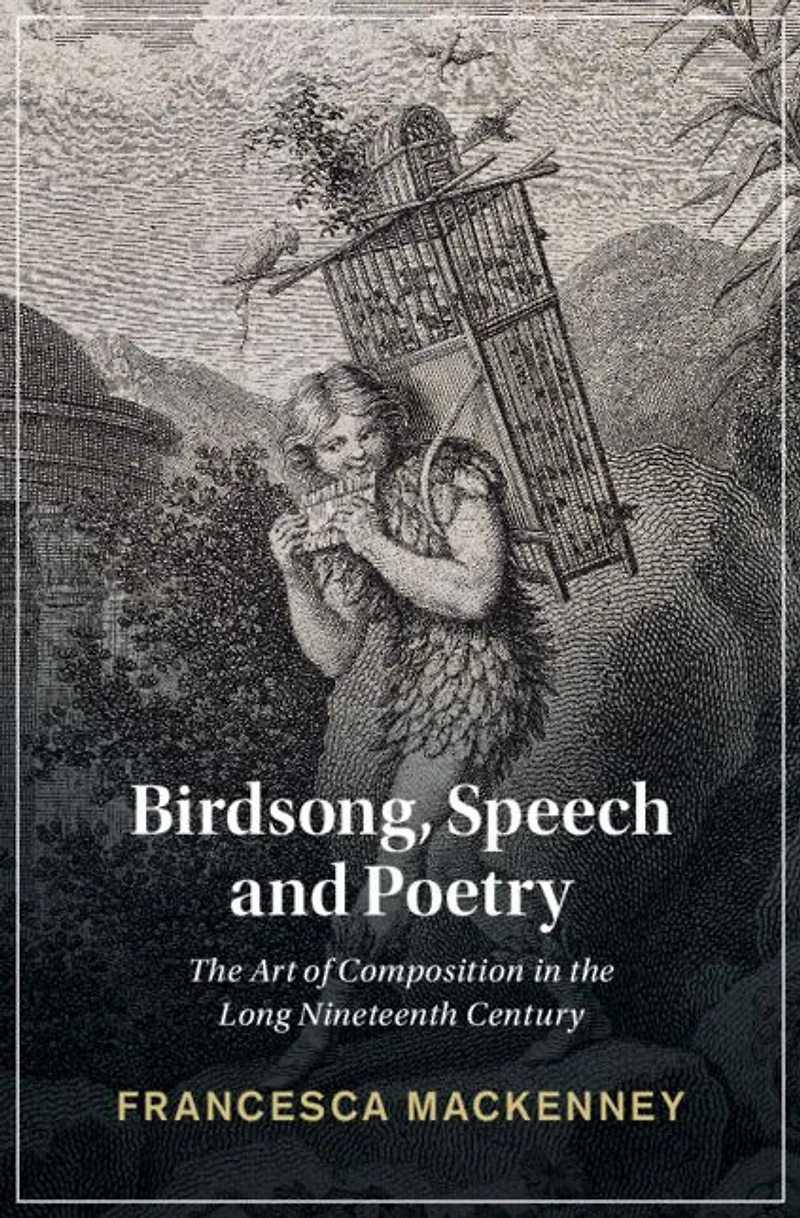
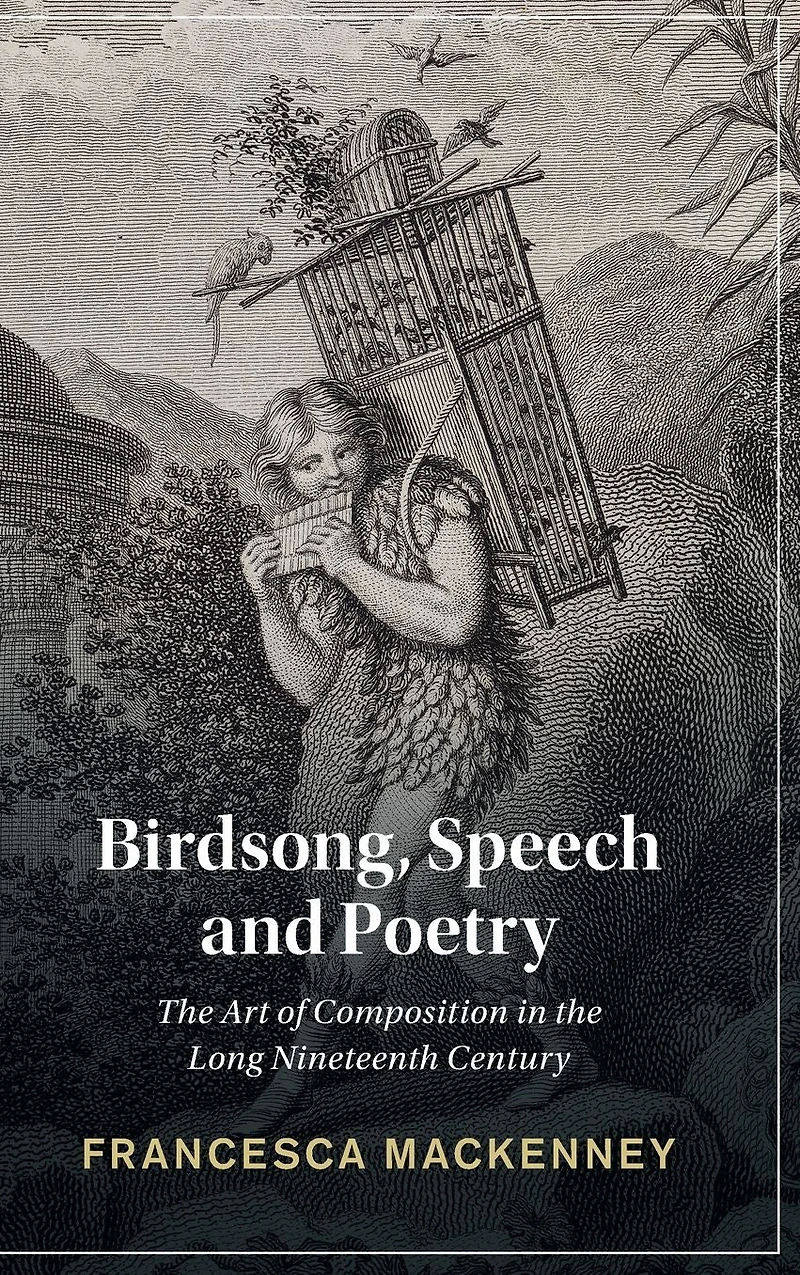
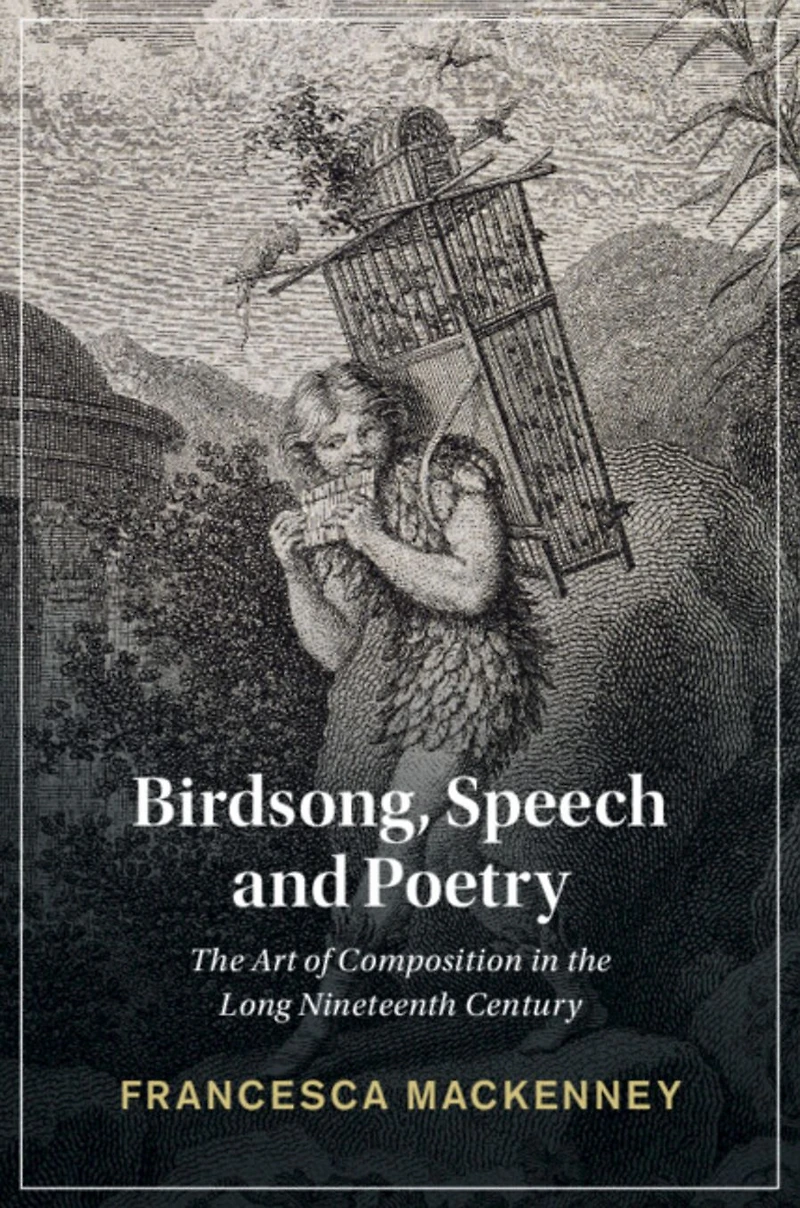
In the long nineteenth century, scientists discovered striking similarities between how birds learn to sing and how children learn to speak. Tracing the 'science of birdsong' as it developed from the 'ingenious' experiments of Daines Barrington to the evolutionary arguments of Charles Darwin, Francesca Mackenney reveals a legacy of thought which informs, and consequently affords fresh insights into, a canonical group of poems about birdsong in the Romantic and Victorian periods. With a particular focus on the writings of Samuel Taylor Coleridge, the Wordsworth siblings, John Clare and Thomas Hardy, her book explores how poets responded to an analogy which challenged definitions of language and therefore of what it means to be human. Drawing together responses to birdsong in science, music and poetry, her distinctive interdisciplinary approach challenges many of the long-standing cultural assumptions which have shaped (and continue to shape) how we respond to other creatures in the Anthropocene.
In the long nineteenth century, scientists discovered striking similarities between how birds learn to sing and how children learn to speak. Tracing the 'science of birdsong' as it developed from the 'ingenious' experiments of Daines Barrington to the evolutionary arguments of Charles Darwin, Francesca Mackenney reveals a legacy of thought which informs, and consequently affords fresh insights into, a canonical group of poems about birdsong in the Romantic and Victorian periods. With a particular focus on the writings of Samuel Taylor Coleridge, the Wordsworth siblings, John Clare and Thomas Hardy, her book explores how poets responded to an analogy which challenged definitions of language and therefore of what it means to be human. Drawing together responses to birdsong in science, music and poetry, her distinctive interdisciplinary approach challenges many of the long-standing cultural assumptions which have shaped (and continue to shape) how we respond to other creatures in the Anthropocene.
Shop Similar Products








Find at Mall of America® in Bloomington, MN
Visit at Mall of America® in Bloomington, MN