


Home
Being Guilty: Freedom, Responsibility, and Conscience German Philosophy from Kant to Heidegger
Barnes and Noble
Loading Inventory...
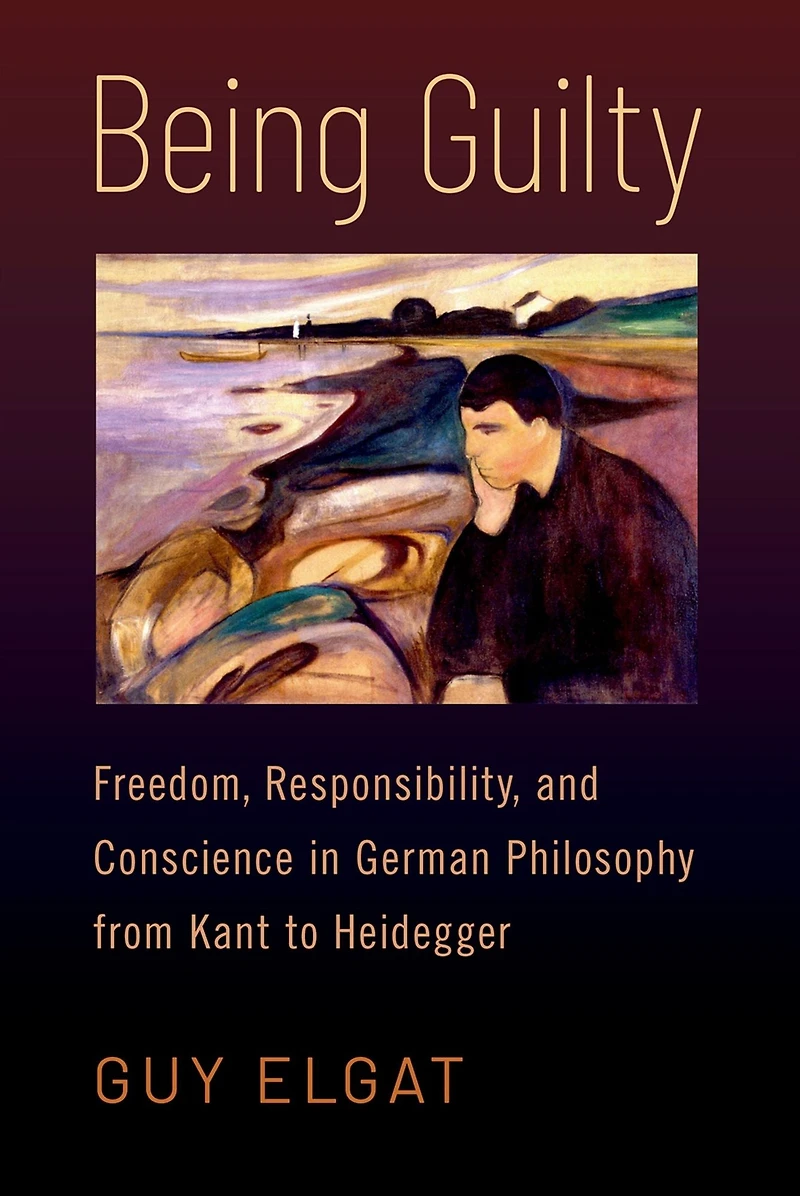
Being Guilty: Freedom, Responsibility, and Conscience German Philosophy from Kant to Heidegger in Bloomington, MN
By Barnes & Noble
Current price: $83.99

Being Guilty: Freedom, Responsibility, and Conscience German Philosophy from Kant to Heidegger in Bloomington, MN
Current price: $83.99
Loading Inventory...
Size: EBook
What can guilt, the painful sting of the bad conscience, tell us about who we are as human beings? How can it be explained or justified? Being Guilty seeks to answer these questions through an examination of the views of Kant, Schelling, Schopenhauer, Paul Rée, Nietzsche, and Heidegger on guilt, freedom, responsibility, and conscience.The concept of guilt has not received sufficient attention from scholars working in the history of German philosophy. What's more, even individual thinkers whose conceptions of guilt have been researched have not been studied fully within their historical contexts. Guy Elgat redresses both these scholarly lacunae to show how these philosophers' arguments can be more deeply grasped once read in their historical context, a history that should be read as proceeding dialectically. Thus, in Kant, Schelling, and Schopenhauer, we find variations on the idea that guilt for specific actions we perform is justified because the human agent is guilty in his very beinga guilt for which he is responsible. In contrast, in Rée and Nietzsche, these ideas are rejected and guilt is seen as rarely justified but rather explainable through human psychology. Finally, in Heidegger, we find a near synthesis of the views of the previous philosophers, as he argues we are guilty in our very being yet are not responsible for this guilt. In the process of unfolding the trajectory of these evolving conceptions of guilt, the philosophers' views on these and many other issues are explored in depth, and through them Elgat articulates an entirely new approach to guilt.
What can guilt, the painful sting of the bad conscience, tell us about who we are as human beings? How can it be explained or justified? Being Guilty seeks to answer these questions through an examination of the views of Kant, Schelling, Schopenhauer, Paul Rée, Nietzsche, and Heidegger on guilt, freedom, responsibility, and conscience.The concept of guilt has not received sufficient attention from scholars working in the history of German philosophy. What's more, even individual thinkers whose conceptions of guilt have been researched have not been studied fully within their historical contexts. Guy Elgat redresses both these scholarly lacunae to show how these philosophers' arguments can be more deeply grasped once read in their historical context, a history that should be read as proceeding dialectically. Thus, in Kant, Schelling, and Schopenhauer, we find variations on the idea that guilt for specific actions we perform is justified because the human agent is guilty in his very beinga guilt for which he is responsible. In contrast, in Rée and Nietzsche, these ideas are rejected and guilt is seen as rarely justified but rather explainable through human psychology. Finally, in Heidegger, we find a near synthesis of the views of the previous philosophers, as he argues we are guilty in our very being yet are not responsible for this guilt. In the process of unfolding the trajectory of these evolving conceptions of guilt, the philosophers' views on these and many other issues are explored in depth, and through them Elgat articulates an entirely new approach to guilt.
Shop Similar Products

















Find at Mall of America® in Bloomington, MN
Visit at Mall of America® in Bloomington, MN