


Home
Beating against the Wind: Popular Opposition to Bishop Feild and Tractarianism in Newfoundland and Labrador
Barnes and Noble
Loading Inventory...
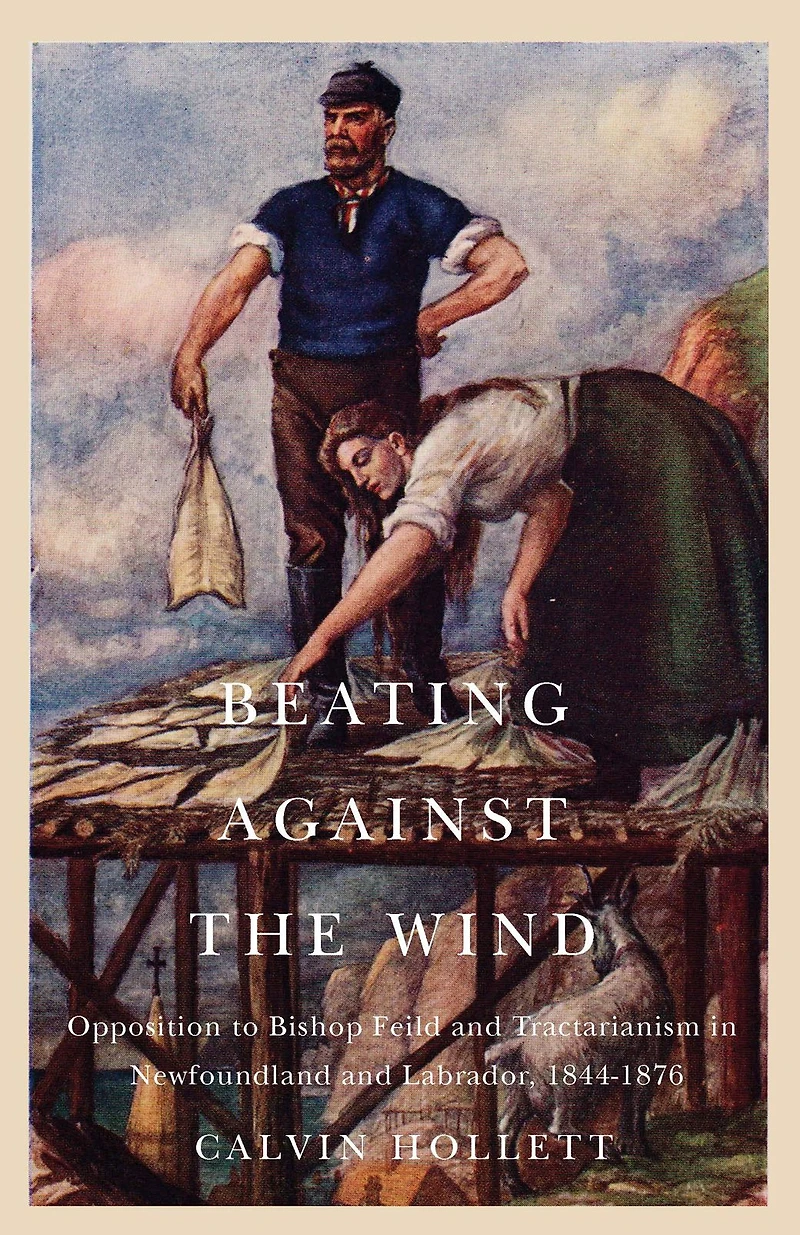
Beating against the Wind: Popular Opposition to Bishop Feild and Tractarianism in Newfoundland and Labrador in Bloomington, MN
By Barnes & Noble
Current price: $45.95

Beating against the Wind: Popular Opposition to Bishop Feild and Tractarianism in Newfoundland and Labrador in Bloomington, MN
Current price: $45.95
Loading Inventory...
Size: EBook
There are many analyses of Tractarianism - a nineteenth-century form of Anglicanism that emphasized its Catholic origins - but how did people in the colonies react to the High Church movement? Beating against the Wind, a study in nineteenth-century vernacular spirituality, emphasizes the power of faith on a shifting frontier in a transatlantic world.Focusing on people living along the Newfoundland and Labrador coast, Calvin Hollett presents a nuanced perspective on popular resistance to the colonial emissary Bishop Edward Feild and his spiritual regimen of order, silence, and solemnity. Whether by outright opposing Bishop Feild, or by simply ignoring his wishes and views, or by brokering a hybrid style of Gothic architecture, the people of Newfoundland and Labrador demonstrated their independence in the face of an attempt at hierarchical ascendency upon the arrival of Tractarianism in British North America. Instead, they continued to practise evangelical Anglicanism and participate in Methodist revivals, and thereby negotiated a popular Protestantism, one often infused with the spirituality of other seafarers from Nova Scotia and New England.Exploring the interaction between popular spirituality and religious authority, Beating against the Wind challenges the traditional claim of Feild’s success in bringing Tractarianism to the colony while exploring the resistance to Feild’s initiatives and the reasons for his disappointments.
There are many analyses of Tractarianism - a nineteenth-century form of Anglicanism that emphasized its Catholic origins - but how did people in the colonies react to the High Church movement? Beating against the Wind, a study in nineteenth-century vernacular spirituality, emphasizes the power of faith on a shifting frontier in a transatlantic world.Focusing on people living along the Newfoundland and Labrador coast, Calvin Hollett presents a nuanced perspective on popular resistance to the colonial emissary Bishop Edward Feild and his spiritual regimen of order, silence, and solemnity. Whether by outright opposing Bishop Feild, or by simply ignoring his wishes and views, or by brokering a hybrid style of Gothic architecture, the people of Newfoundland and Labrador demonstrated their independence in the face of an attempt at hierarchical ascendency upon the arrival of Tractarianism in British North America. Instead, they continued to practise evangelical Anglicanism and participate in Methodist revivals, and thereby negotiated a popular Protestantism, one often infused with the spirituality of other seafarers from Nova Scotia and New England.Exploring the interaction between popular spirituality and religious authority, Beating against the Wind challenges the traditional claim of Feild’s success in bringing Tractarianism to the colony while exploring the resistance to Feild’s initiatives and the reasons for his disappointments.
Shop Similar Products
















Find at Mall of America® in Bloomington, MN
Visit at Mall of America® in Bloomington, MN