


Home
Baroque Modernity: An Aesthetics of Theater
Barnes and Noble
Loading Inventory...
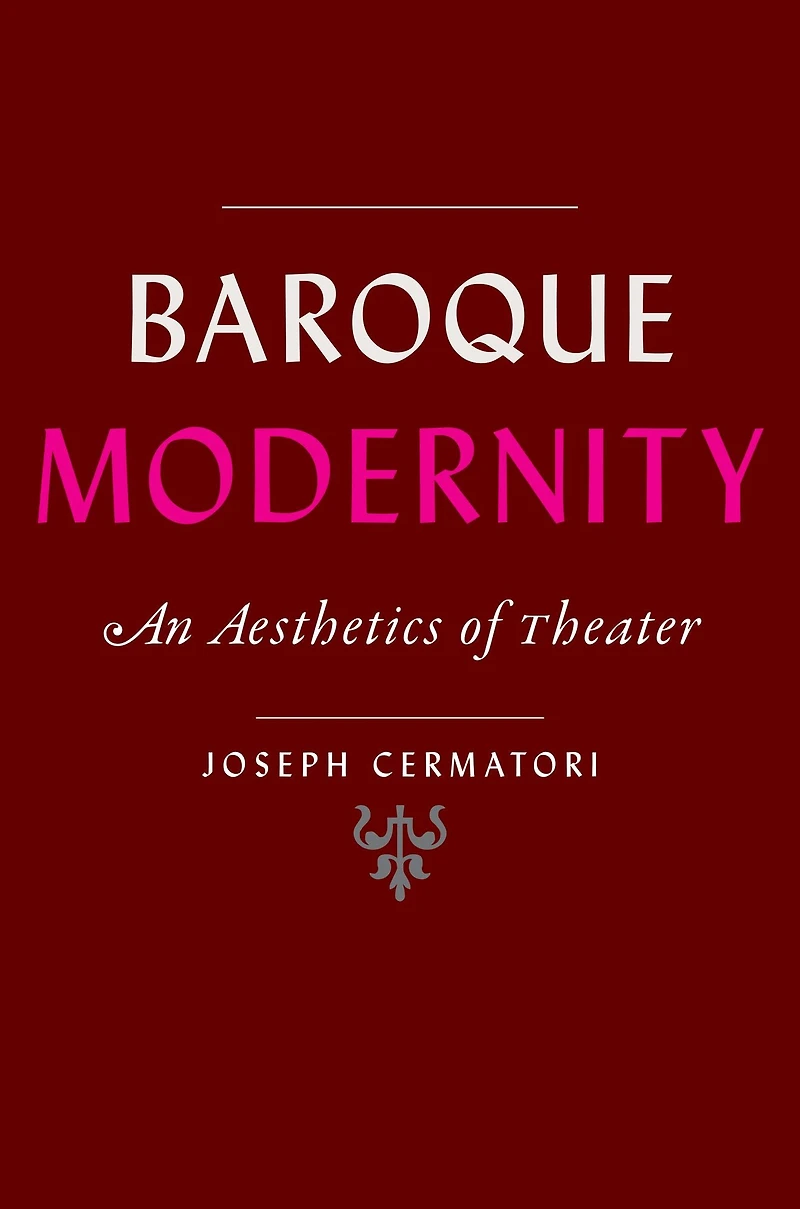
Baroque Modernity: An Aesthetics of Theater in Bloomington, MN
By Barnes & Noble
Current price: $37.95

Baroque Modernity: An Aesthetics of Theater in Bloomington, MN
Current price: $37.95
Loading Inventory...
Size: EBook
A groundbreaking study on the vital role of baroque theater in shaping modernist philosophy, literature, and performance.Finalist for the Outstanding Book Award by the Association for Theatre in Higher Education, Honorable Mention for the Balakian Prize by the International Comparative Literature Association, Winner of the Helen Tartar Book Subvention Award by the American Comparative Literature Association, Finalist of the MSA First Book Prize by the Modernist Studies AssociationBaroque style—with its emphasis on ostentation, adornment, and spectacle—might seem incompatible with the dominant forms of art since the Industrial Revolution, but between 1875 and 1935, European and American modernists connected to the theater became fascinated with it. In Baroque Modernity, Joseph Cermatori argues that the memory of seventeenthcentury baroque stages helped produce new forms of theater, space, and experience around the turn of the twentieth century. In response, modern theater helped give rise to the development of the baroque as a modern philosophical idea. The book focuses on avantgardists whose writing takes place between theory and performance: philosophical theatermakers and theatrical philosophers including Friedrich Nietzsche, Stéphane Mallarmé, Walter Benjamin, and Gertrude Stein. Moving between page and stage, this study tracks the remnants of seventeenthcentury theater through modernist aesthetics across an array of otherwise disparate materials, including modern opera, Bertolt Brecht's Epic Theater, poetic tragedies, and miracle plays. By reexamining the twentieth century's engagements with Gianlorenzo Bernini, William Shakespeare, Claudio Monteverdi, Calderón de la Barca, and other seventeenthcentury predecessors, the book delineates an enduring tradition of baroque performance. Along the way, Cermatori expands our familiar narratives of "the modern" and traces a history of theatricality that reverberates into the twentyfirst century. Baroque Modernity will appeal to readers in a wide array of disciplines, including comparative literature, theater and performance, art and music history, intellectual history, and aesthetic theory.
A groundbreaking study on the vital role of baroque theater in shaping modernist philosophy, literature, and performance.Finalist for the Outstanding Book Award by the Association for Theatre in Higher Education, Honorable Mention for the Balakian Prize by the International Comparative Literature Association, Winner of the Helen Tartar Book Subvention Award by the American Comparative Literature Association, Finalist of the MSA First Book Prize by the Modernist Studies AssociationBaroque style—with its emphasis on ostentation, adornment, and spectacle—might seem incompatible with the dominant forms of art since the Industrial Revolution, but between 1875 and 1935, European and American modernists connected to the theater became fascinated with it. In Baroque Modernity, Joseph Cermatori argues that the memory of seventeenthcentury baroque stages helped produce new forms of theater, space, and experience around the turn of the twentieth century. In response, modern theater helped give rise to the development of the baroque as a modern philosophical idea. The book focuses on avantgardists whose writing takes place between theory and performance: philosophical theatermakers and theatrical philosophers including Friedrich Nietzsche, Stéphane Mallarmé, Walter Benjamin, and Gertrude Stein. Moving between page and stage, this study tracks the remnants of seventeenthcentury theater through modernist aesthetics across an array of otherwise disparate materials, including modern opera, Bertolt Brecht's Epic Theater, poetic tragedies, and miracle plays. By reexamining the twentieth century's engagements with Gianlorenzo Bernini, William Shakespeare, Claudio Monteverdi, Calderón de la Barca, and other seventeenthcentury predecessors, the book delineates an enduring tradition of baroque performance. Along the way, Cermatori expands our familiar narratives of "the modern" and traces a history of theatricality that reverberates into the twentyfirst century. Baroque Modernity will appeal to readers in a wide array of disciplines, including comparative literature, theater and performance, art and music history, intellectual history, and aesthetic theory.
Shop Similar Products










Find at Mall of America® in Bloomington, MN
Visit at Mall of America® in Bloomington, MN