


Home
Bank Liquidity and The Global Financial Crisis: Causes Implications of Regulatory Reform
Barnes and Noble
Loading Inventory...
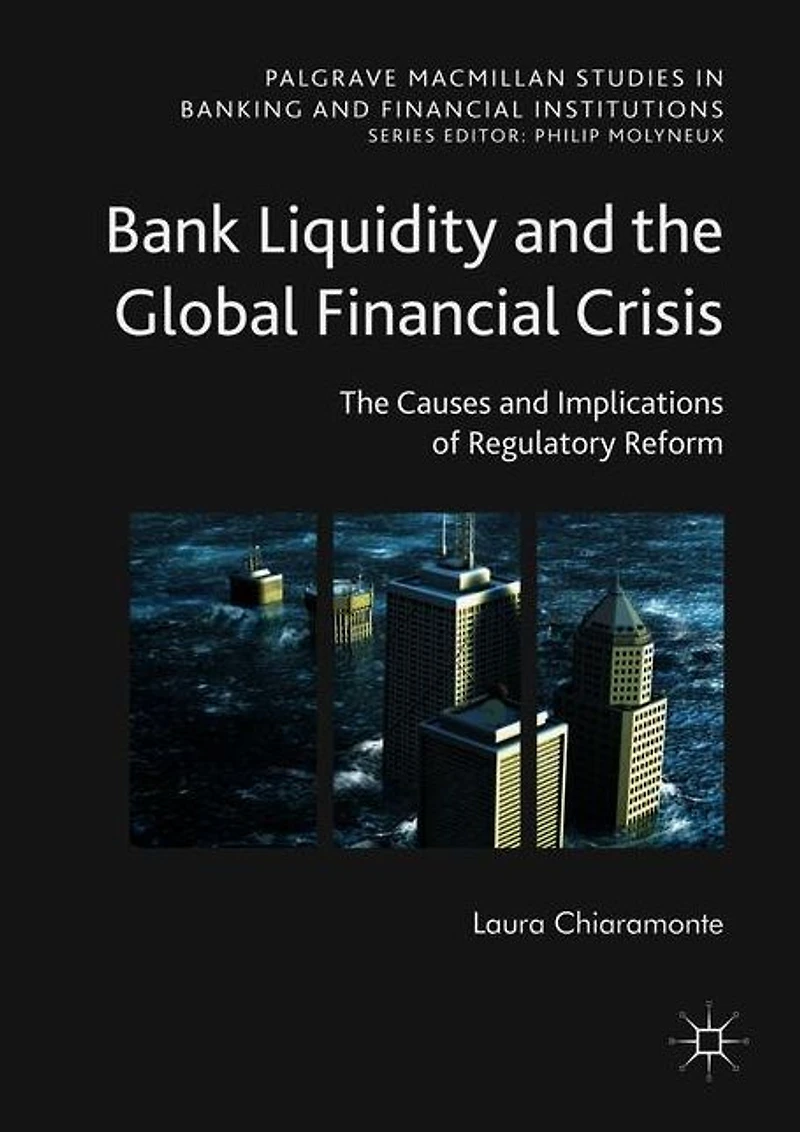
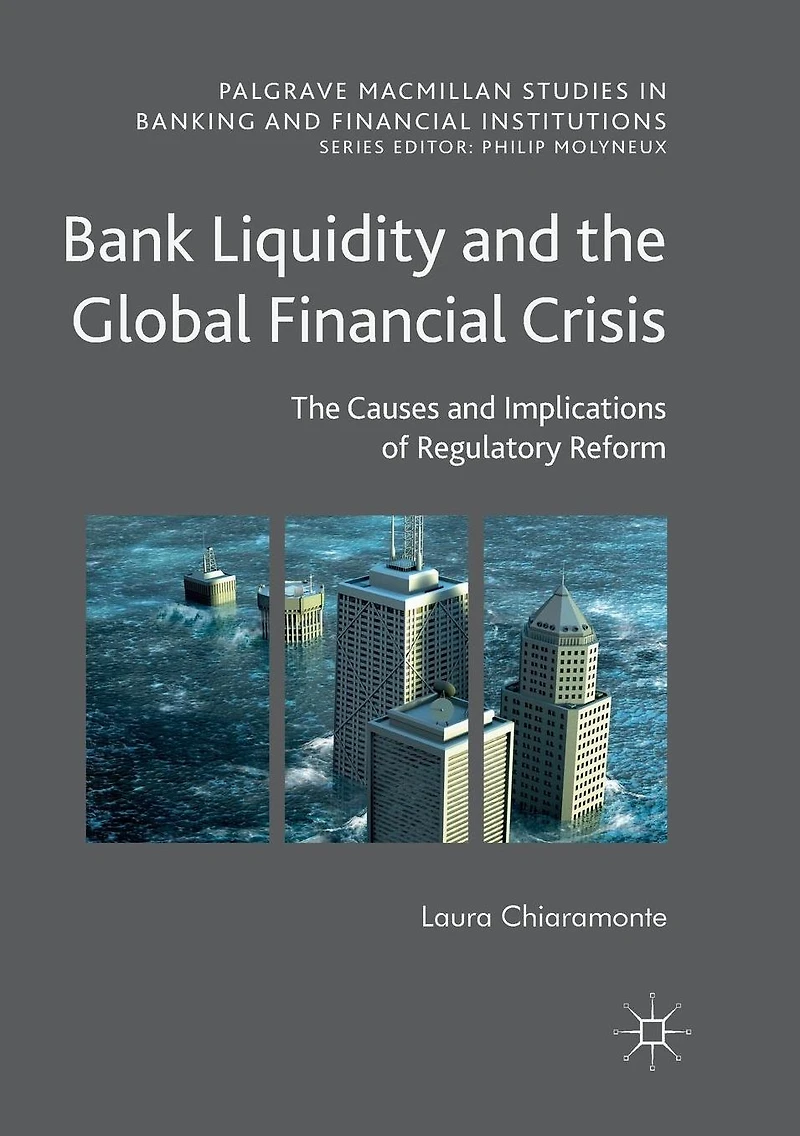
Bank Liquidity and The Global Financial Crisis: Causes Implications of Regulatory Reform in Bloomington, MN
By Barnes & Noble
Current price: $159.99

Bank Liquidity and The Global Financial Crisis: Causes Implications of Regulatory Reform in Bloomington, MN
Current price: $159.99
Loading Inventory...
Size: Hardcover
One of the lessons learned from the Global Financial Crisis of 2007–9 is that minimum capital requirements are a necessary but inadequate safeguard for the stability of an intermediary. Despite the high levels of capitalization of many banks before the crisis, they too experienced serious difficulties due to insufficient liquidity buffers. Thus, for the first time, after the GFC regulators realized that liquidity risk can jeopardize the orderly functioning of a bank and, in some cases, its survival. Previously, the risk did not receive the same attention by regulators at the international level as other types of risk including credit, market, and operational risks. The GFC promoted liquidity risk to a significant place in regulatory reform, introducing uniform international rules and best practices. The literature has studied the potential effects of the new liquidity rules on the behaviour of banks, the financial system, and the economy as a whole. This book provides a comprehensive understanding of the bank liquidity crisis that occurred during the GFC, of the liquidity regulatory reform introduced by the Basel Committee with the Basel III Accord, and its implications both at the micro and macroeconomic levels. Università Cattolica del Sacro Cuore contributed to the funding of this research project and its publication.
One of the lessons learned from the Global Financial Crisis of 2007–9 is that minimum capital requirements are a necessary but inadequate safeguard for the stability of an intermediary. Despite the high levels of capitalization of many banks before the crisis, they too experienced serious difficulties due to insufficient liquidity buffers. Thus, for the first time, after the GFC regulators realized that liquidity risk can jeopardize the orderly functioning of a bank and, in some cases, its survival. Previously, the risk did not receive the same attention by regulators at the international level as other types of risk including credit, market, and operational risks. The GFC promoted liquidity risk to a significant place in regulatory reform, introducing uniform international rules and best practices. The literature has studied the potential effects of the new liquidity rules on the behaviour of banks, the financial system, and the economy as a whole. This book provides a comprehensive understanding of the bank liquidity crisis that occurred during the GFC, of the liquidity regulatory reform introduced by the Basel Committee with the Basel III Accord, and its implications both at the micro and macroeconomic levels. Università Cattolica del Sacro Cuore contributed to the funding of this research project and its publication.
Shop Similar Products

















Find at Mall of America® in Bloomington, MN
Visit at Mall of America® in Bloomington, MN