


Home
Authority Figures: Rhetoric and Experience John Locke's Political Thought
Barnes and Noble
Loading Inventory...
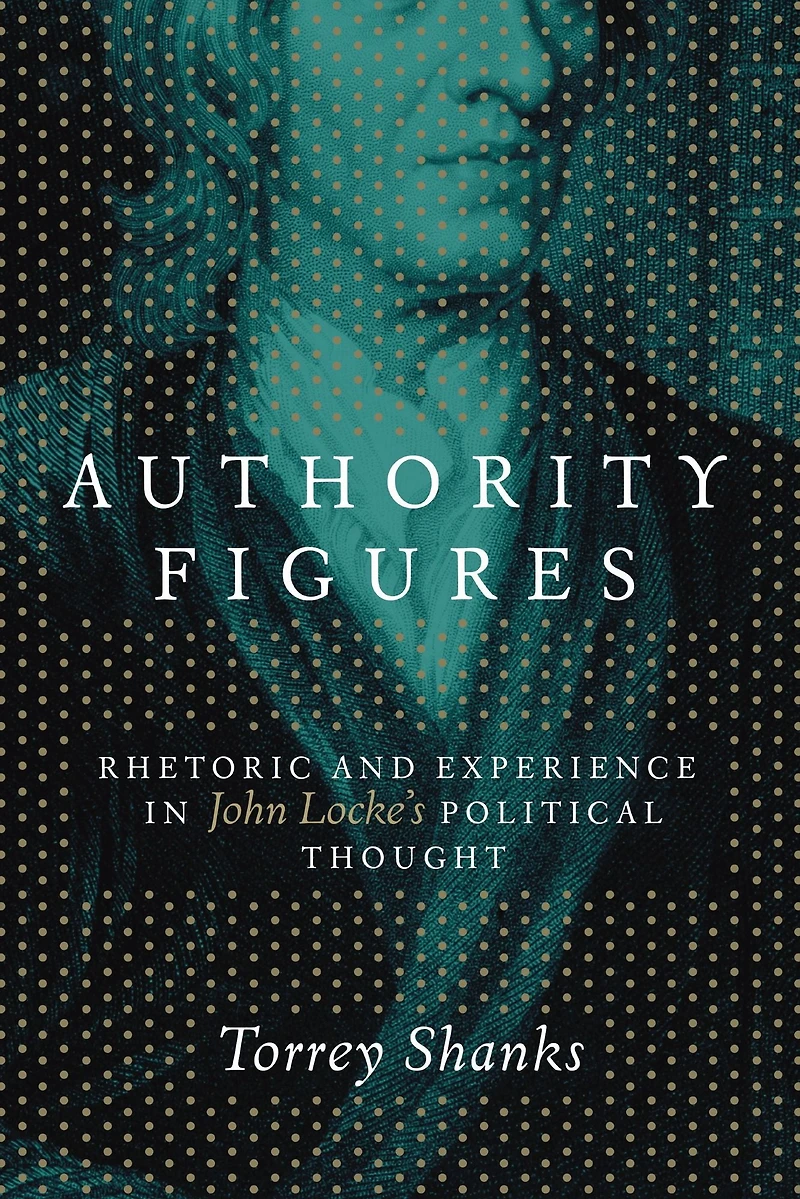
Authority Figures: Rhetoric and Experience John Locke's Political Thought in Bloomington, MN
By Barnes & Noble
Current price: $28.99

Authority Figures: Rhetoric and Experience John Locke's Political Thought in Bloomington, MN
Current price: $28.99
Loading Inventory...
Size: EBook
In Authority Figures, Torrey Shanks uncovers the essential but largely unappreciated place of rhetoric in John Locke’s political and philosophical thought. Locke’s well-known hostility to rhetoric has obscured an important debt to figural and inventive language. Here, Shanks traces the close ties between rhetoric and experience as they form the basis for a theory and practice of judgment at the center of Locke’s work. Rhetoric and experience come together, for Locke, to reorient readers’ relation to the past in order to open up alternative political futures. Recognizing this debt sets the stage for a new understanding of the Two Treatises of Government, in which the material and creative force of language is necessary for political critique.Authority Figures draws together political theory and philosophy, the history of science and of rhetoric, and philosophy of language and literary theory to offer an interpretation of Locke’s political thought that shows the ongoing importance of rhetoric for new modes of critique in the seventeenth century. Locke’s thought offers up insights for rethinking the relationship of rhetoric and experience to political critique, as well as the intersections of language and materialism.
In Authority Figures, Torrey Shanks uncovers the essential but largely unappreciated place of rhetoric in John Locke’s political and philosophical thought. Locke’s well-known hostility to rhetoric has obscured an important debt to figural and inventive language. Here, Shanks traces the close ties between rhetoric and experience as they form the basis for a theory and practice of judgment at the center of Locke’s work. Rhetoric and experience come together, for Locke, to reorient readers’ relation to the past in order to open up alternative political futures. Recognizing this debt sets the stage for a new understanding of the Two Treatises of Government, in which the material and creative force of language is necessary for political critique.Authority Figures draws together political theory and philosophy, the history of science and of rhetoric, and philosophy of language and literary theory to offer an interpretation of Locke’s political thought that shows the ongoing importance of rhetoric for new modes of critique in the seventeenth century. Locke’s thought offers up insights for rethinking the relationship of rhetoric and experience to political critique, as well as the intersections of language and materialism.
Shop Similar Products







Find at Mall of America® in Bloomington, MN
Visit at Mall of America® in Bloomington, MN