


Home
Artwash: Big Oil and the Arts
Barnes and Noble
Loading Inventory...
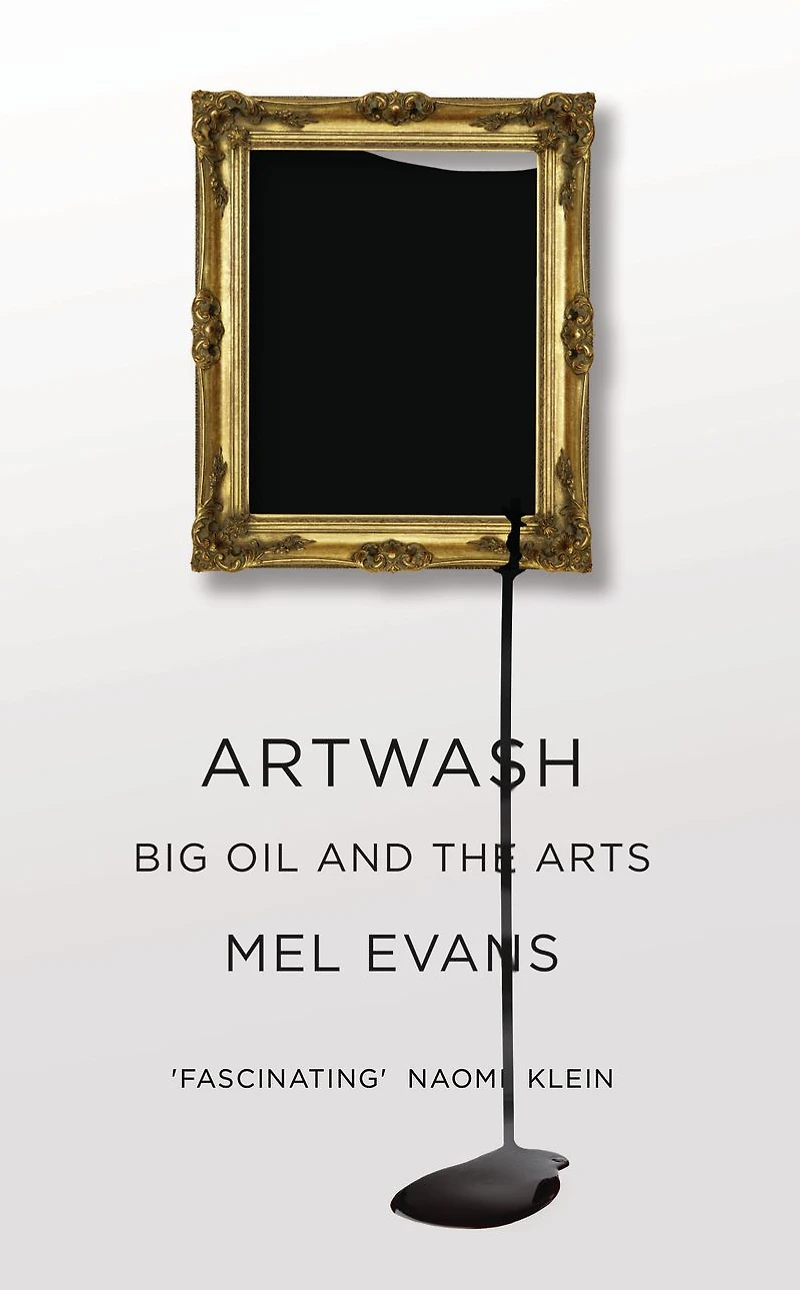
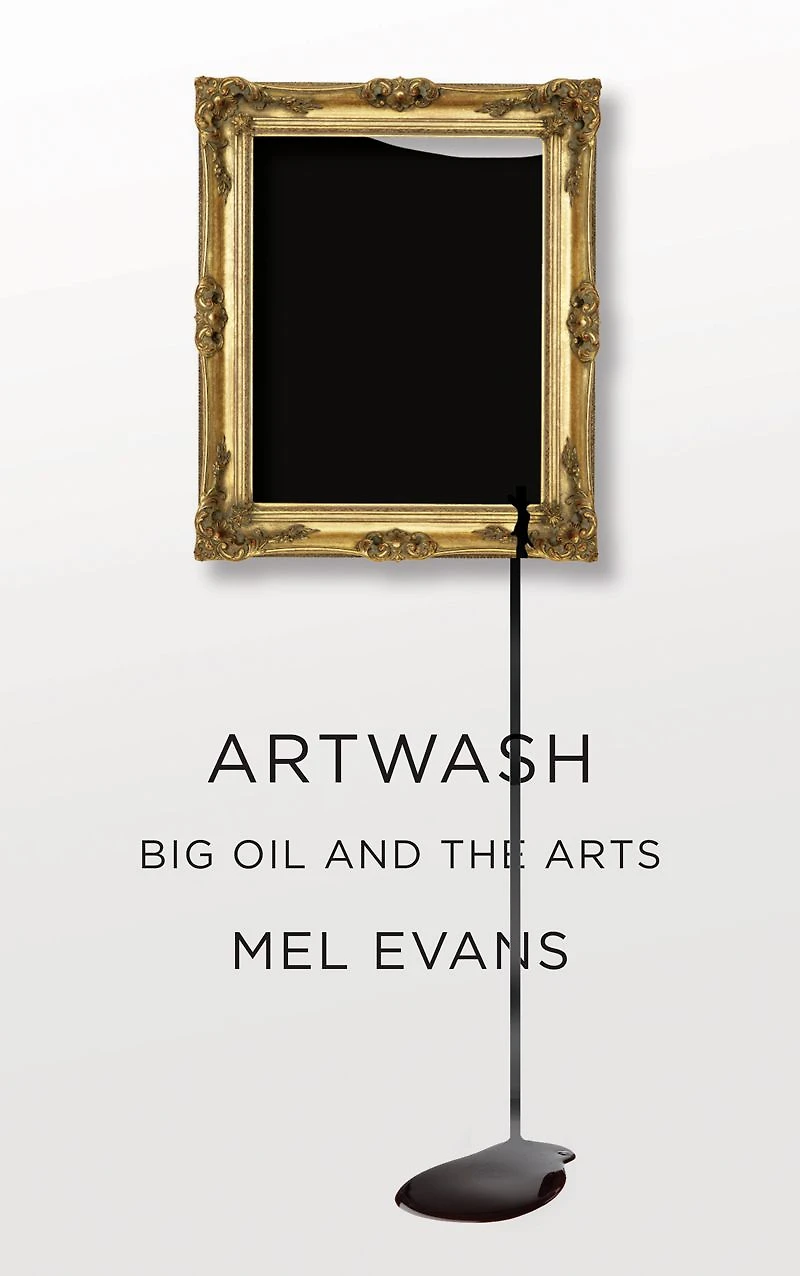
Artwash: Big Oil and the Arts in Bloomington, MN
By Barnes & Noble
Current price: $9.95

Artwash: Big Oil and the Arts in Bloomington, MN
Current price: $9.95
Loading Inventory...
Size: EBook
As major oil companies face continual public backlash, many have found it helpful to engage in “art washing”—donating large sums to cultural institutions to shore up their good name. But what effect does this influx of oil money have on these institutions? Artwash explores the relationship between funding and the production of the arts, with particular focus on the role of big oil companies such as Chevron, ExxonMobil, BP, and Shell. Reflecting on the role and function of art galleries, Artwash considers how the association with oil money might impede these institutions in their cultural endeavors. Outside the gallery space, Mel Evans examines how corporate sponsorship of the arts can obscure the strategies of corporate executives to maintain brand identity and promote their public image through cultural philanthropy. Ultimately, Evans sounds a note of hope, presenting ways artists themselves have challenged the ethics of contemporary art galleries and examining how cultural institutions might change.
As major oil companies face continual public backlash, many have found it helpful to engage in “art washing”—donating large sums to cultural institutions to shore up their good name. But what effect does this influx of oil money have on these institutions? Artwash explores the relationship between funding and the production of the arts, with particular focus on the role of big oil companies such as Chevron, ExxonMobil, BP, and Shell. Reflecting on the role and function of art galleries, Artwash considers how the association with oil money might impede these institutions in their cultural endeavors. Outside the gallery space, Mel Evans examines how corporate sponsorship of the arts can obscure the strategies of corporate executives to maintain brand identity and promote their public image through cultural philanthropy. Ultimately, Evans sounds a note of hope, presenting ways artists themselves have challenged the ethics of contemporary art galleries and examining how cultural institutions might change.

















Find at Mall of America® in Bloomington, MN
Visit at Mall of America® in Bloomington, MN