


Home
Art, Mimesis and the Avant-Garde: Aspects of a Philosophy Difference
Barnes and Noble
Loading Inventory...

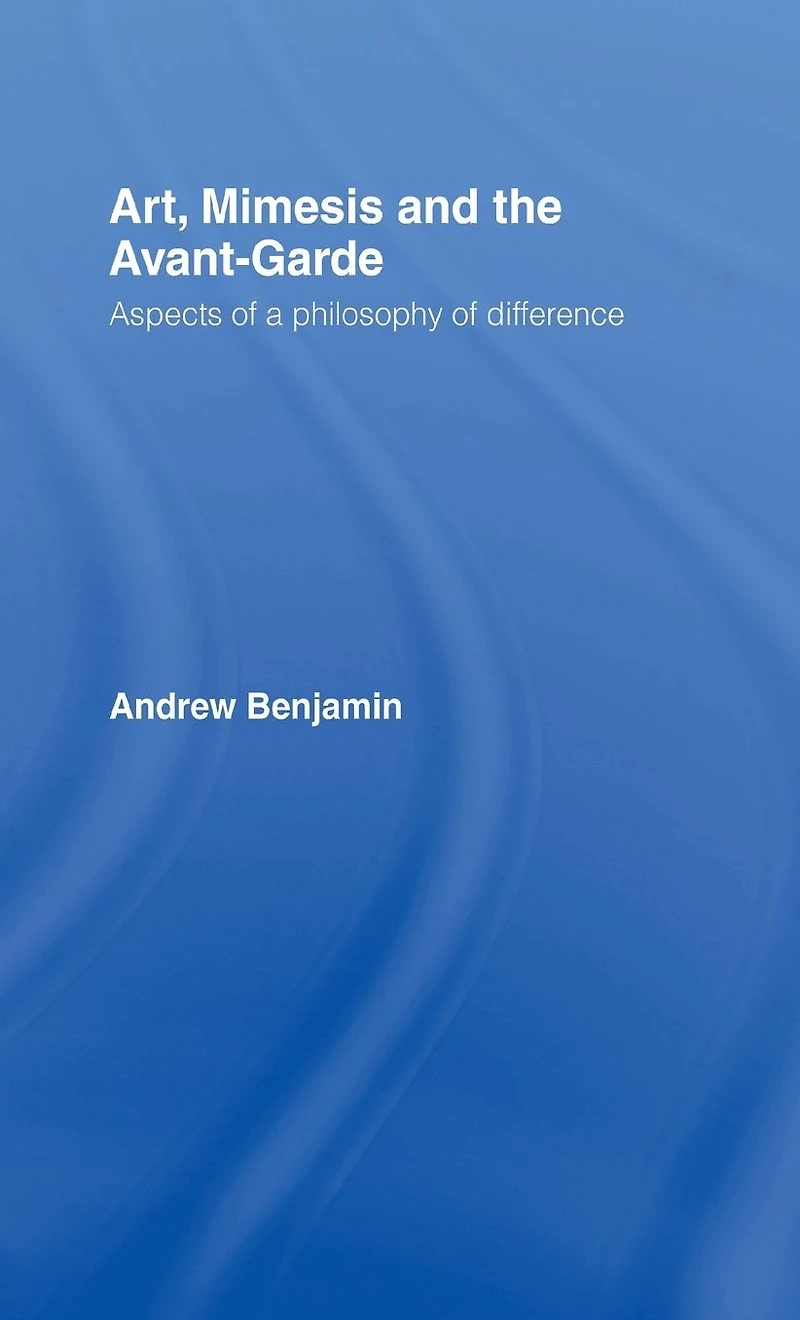

Art, Mimesis and the Avant-Garde: Aspects of a Philosophy Difference in Bloomington, MN
By Barnes & Noble
Current price: $66.99

Art, Mimesis and the Avant-Garde: Aspects of a Philosophy Difference in Bloomington, MN
Current price: $66.99
Loading Inventory...
Size: EBook
This book explores the relationship between art and philosophy. Andrew Benjamin argues for a reworking of the task of philosophy in terms of the centrality of ontology. It is in relation to this centrality, understood through the differences between modes of being, that art, mimesis and the avant-garde come to be presented. A fundamental part of this book is the original interpretations of important contemporary painters and their paintings: Lucian Freud's self-portraits, Francis Bacon's use of mirrors, R.B. Kitaj and Jewish identity, Anselm Kiefer and iconoclasm. Apart from painting, Benjamin considers architecture, literature and the philosophical writings of Walter Benjamin and Descartes in elaborating the various aspects of ontological difference. The theory of the avant-garde which is developed in the book, in which the avant-garde is a philosophical category rather than a historical marker, is a major contribution to art criticism. It brings the worlds of contemporary art criticism and contemporary philosophy closer together.
This book explores the relationship between art and philosophy. Andrew Benjamin argues for a reworking of the task of philosophy in terms of the centrality of ontology. It is in relation to this centrality, understood through the differences between modes of being, that art, mimesis and the avant-garde come to be presented. A fundamental part of this book is the original interpretations of important contemporary painters and their paintings: Lucian Freud's self-portraits, Francis Bacon's use of mirrors, R.B. Kitaj and Jewish identity, Anselm Kiefer and iconoclasm. Apart from painting, Benjamin considers architecture, literature and the philosophical writings of Walter Benjamin and Descartes in elaborating the various aspects of ontological difference. The theory of the avant-garde which is developed in the book, in which the avant-garde is a philosophical category rather than a historical marker, is a major contribution to art criticism. It brings the worlds of contemporary art criticism and contemporary philosophy closer together.
Shop Similar Products

















Find at Mall of America® in Bloomington, MN
Visit at Mall of America® in Bloomington, MN