


Home
Ars Prophetica: Theology in the Poetry of Twentieth-Century Hebrew Poets Avraham Halfi, Shin Shalom, Amir Gilboa, and T. Carmi
Barnes and Noble
Loading Inventory...
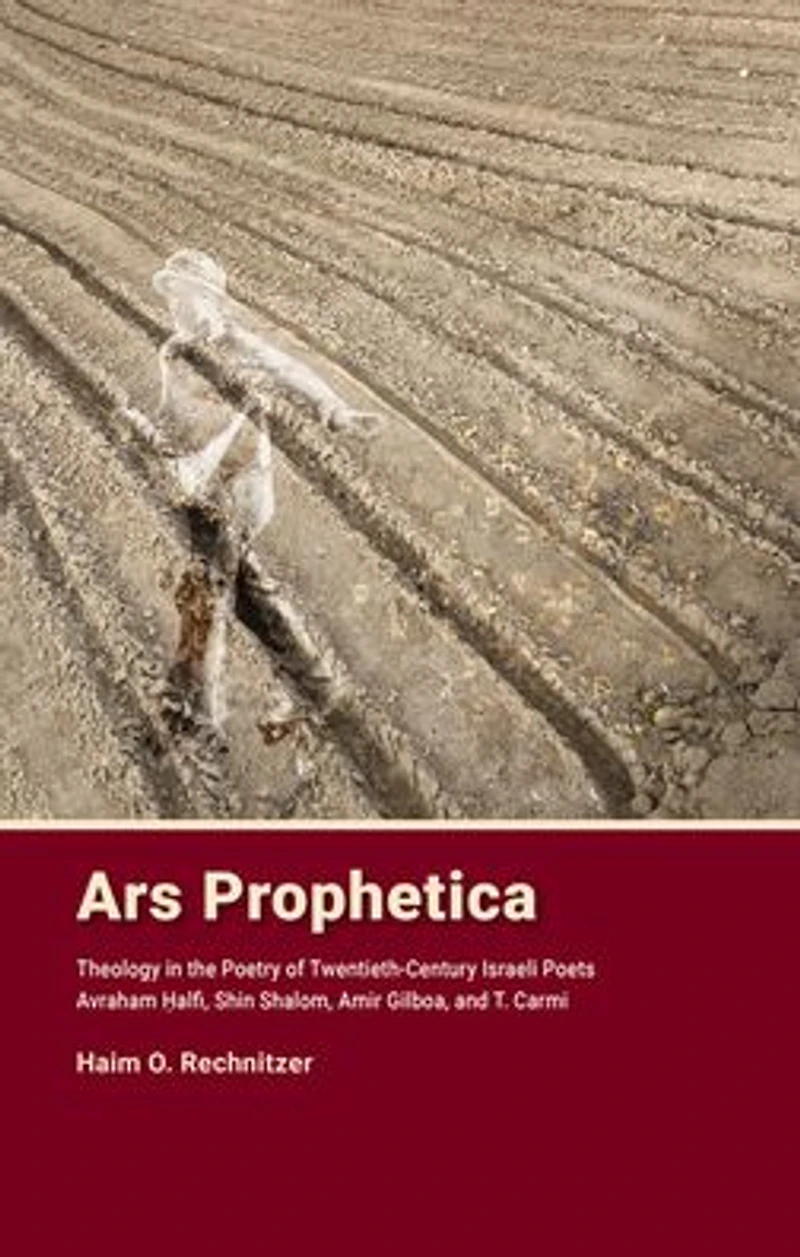
Ars Prophetica: Theology in the Poetry of Twentieth-Century Hebrew Poets Avraham Halfi, Shin Shalom, Amir Gilboa, and T. Carmi in Bloomington, MN
By Barnes & Noble
Current price: $39.95

Ars Prophetica: Theology in the Poetry of Twentieth-Century Hebrew Poets Avraham Halfi, Shin Shalom, Amir Gilboa, and T. Carmi in Bloomington, MN
Current price: $39.95
Loading Inventory...
Size: Hardcover
In Ars-Prophetica: Theology in the Poetry of Twentieth-Century Israeli Poets Avraham Halfi, Shin Shalom, Amir Gilboa, and T. Carmi, Haim O. Rechnitzer uncovers and recovers the theological elements within the poetry of four renowned Hebrew-Israeli poets. First and foremost, Rechnitzer introduces major works of modern Hebrew poetry that are viewed as part of the "secular" heritage of the renewed Hebrew-Israeli culture, demonstrating these works' relevance to general theological discourse and to the canon of Mahshevet Israel (Jewish thought). Rechnitzer's readings illuminate the poems' multiplicity of meanings, contextualizing the works not only within biblical sources-a prevalent practice of modern Hebrew reading-writingbut also within an intricate net of texts that present "theological worldviews," such as Heikhalot literature, kabbalah and Hasidism. Thus, Rechnitzer, as he develops a systematic theological interpretation of Hebrew-Israeli poetry, introduces readers to a "new, vibrant, Hebrew-Jewish-Secular Theology." Rechnitzer's insights, and his method, will illuminate the discussion of all poetry that converses openly, or elusively, with Jewish texts.
In Ars-Prophetica: Theology in the Poetry of Twentieth-Century Israeli Poets Avraham Halfi, Shin Shalom, Amir Gilboa, and T. Carmi, Haim O. Rechnitzer uncovers and recovers the theological elements within the poetry of four renowned Hebrew-Israeli poets. First and foremost, Rechnitzer introduces major works of modern Hebrew poetry that are viewed as part of the "secular" heritage of the renewed Hebrew-Israeli culture, demonstrating these works' relevance to general theological discourse and to the canon of Mahshevet Israel (Jewish thought). Rechnitzer's readings illuminate the poems' multiplicity of meanings, contextualizing the works not only within biblical sources-a prevalent practice of modern Hebrew reading-writingbut also within an intricate net of texts that present "theological worldviews," such as Heikhalot literature, kabbalah and Hasidism. Thus, Rechnitzer, as he develops a systematic theological interpretation of Hebrew-Israeli poetry, introduces readers to a "new, vibrant, Hebrew-Jewish-Secular Theology." Rechnitzer's insights, and his method, will illuminate the discussion of all poetry that converses openly, or elusively, with Jewish texts.
Shop Similar Products







Find at Mall of America® in Bloomington, MN
Visit at Mall of America® in Bloomington, MN