


Home
Arnheim, Gestalt and Art: A Psychological Theory
Barnes and Noble
Loading Inventory...
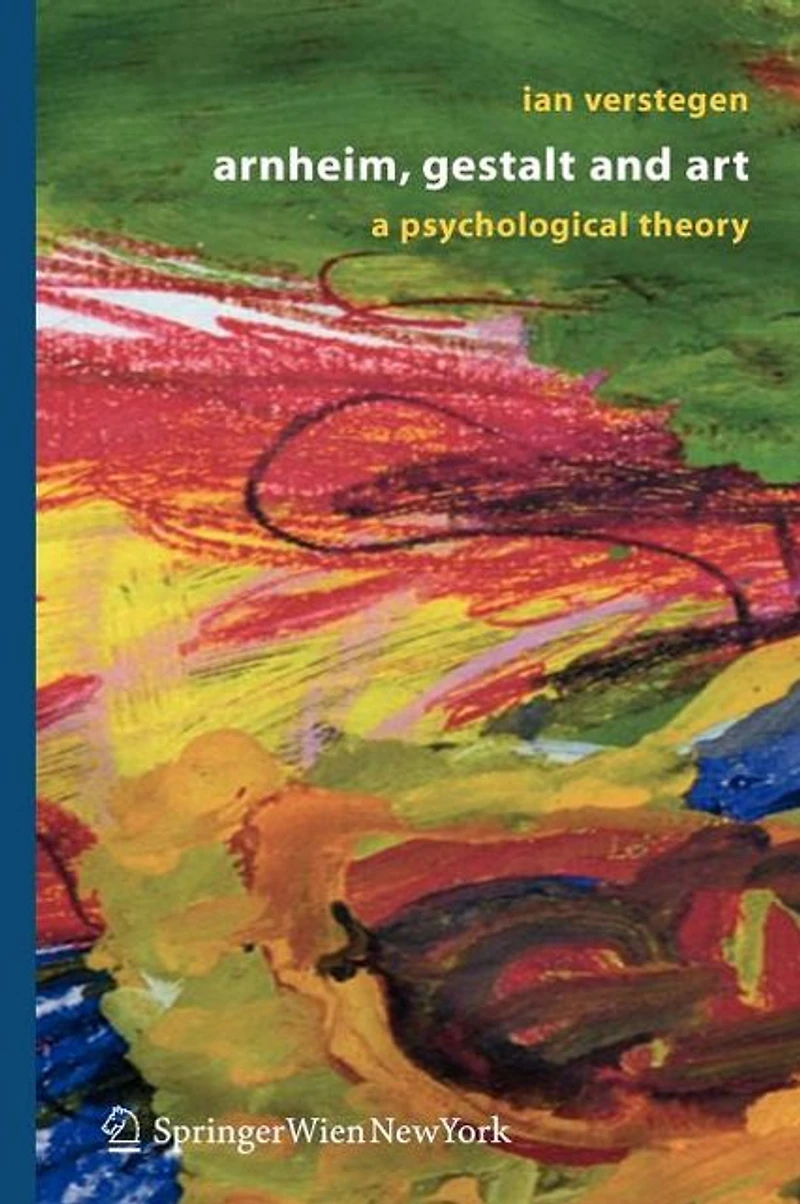
Arnheim, Gestalt and Art: A Psychological Theory in Bloomington, MN
By Barnes & Noble
Current price: $54.99

Arnheim, Gestalt and Art: A Psychological Theory in Bloomington, MN
Current price: $54.99
Loading Inventory...
Size: Paperback
Arnheim, Gestalt and Art is the first book-length discussion of the powerful thinking of the psychologist of art, Rudolf Arnheim. Written as a complete overview of Arnheim’s thinking, it covers fundamental issues of the importance of psychological discussion of the arts, the status of gestalt psychology, the various sense modalities and media, and developmental issues. By proceeding in a direction from general to specific and then proceeding through dynamic processes as they unfold in time (creativity, development, etc.), the book discovers an unappreciated unity to Arnheim’s thinking. Not content to simply summarize Arnheim’s theory, however, Arnheim, Art, and Gestalt goes on to enrich (and occasionally question) Arnheim’s findings with the contemporary results of gestalt-theoretical research from around the world, but especially in Italy and Germany. The result is a workable overview of the psychology of art with bridges built to contemporary research, making Arnheim’s approach living and sustainable.
Arnheim, Gestalt and Art is the first book-length discussion of the powerful thinking of the psychologist of art, Rudolf Arnheim. Written as a complete overview of Arnheim’s thinking, it covers fundamental issues of the importance of psychological discussion of the arts, the status of gestalt psychology, the various sense modalities and media, and developmental issues. By proceeding in a direction from general to specific and then proceeding through dynamic processes as they unfold in time (creativity, development, etc.), the book discovers an unappreciated unity to Arnheim’s thinking. Not content to simply summarize Arnheim’s theory, however, Arnheim, Art, and Gestalt goes on to enrich (and occasionally question) Arnheim’s findings with the contemporary results of gestalt-theoretical research from around the world, but especially in Italy and Germany. The result is a workable overview of the psychology of art with bridges built to contemporary research, making Arnheim’s approach living and sustainable.
Shop Similar Products












Find at Mall of America® in Bloomington, MN
Visit at Mall of America® in Bloomington, MN