


Home
Antibiotics: Challenges, Mechanisms, Opportunities
Barnes and Noble
Loading Inventory...
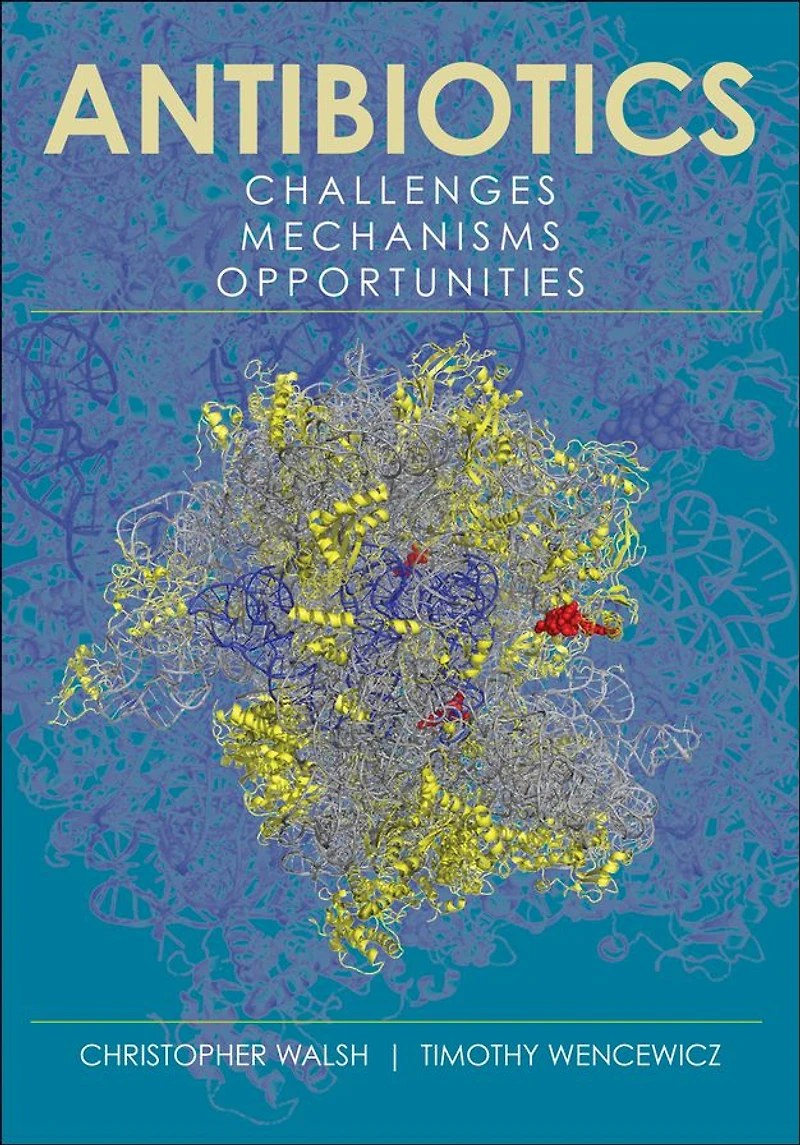
Antibiotics: Challenges, Mechanisms, Opportunities in Bloomington, MN
By Barnes & Noble
Current price: $107.00

Antibiotics: Challenges, Mechanisms, Opportunities in Bloomington, MN
Current price: $107.00
Loading Inventory...
Size: EBook
A chemocentric view of the molecular structures of antibiotics, their origins, actions, and major categories of resistance Antibiotics: Challenges, Mechanisms, Opportunities focuses on antibiotics as small organic molecules, from both natural and synthetic sources. Understanding the chemical scaffold and functional group structures of the major classes of clinically useful antibiotics is critical to understanding how antibiotics interact selectively with bacterial targets. This textbook details how classes of antibiotics interact with five known robust bacterial targets: cell wall assembly and maintenance, membrane integrity, protein synthesis, DNA and RNA information transfer, and the folate pathway to deoxythymidylate. It also addresses the universe of bacterial resistance, from the concept of the resistome to the three major mechanisms of resistance: antibiotic destruction, antibiotic active efflux, and alteration of antibiotic targets. Antibiotics also covers the biosynthetic machinery for the major classes of natural product antibiotics. Authors Christopher Walsh and Timothy Wencewicz provide compelling answers to these questions: What are antibiotics? Where do antibiotics come from? How do antibiotics work? Why do antibiotics stop working? How should our limited inventory of effective antibiotics be addressed? Antibiotics is a textbook for graduate courses in chemical biology, pharmacology, medicinal chemistry, and microbiology and biochemistry courses. It is also a valuable reference for microbiologists, biological and natural product chemists, pharmacologists, and research and development scientists.
A chemocentric view of the molecular structures of antibiotics, their origins, actions, and major categories of resistance Antibiotics: Challenges, Mechanisms, Opportunities focuses on antibiotics as small organic molecules, from both natural and synthetic sources. Understanding the chemical scaffold and functional group structures of the major classes of clinically useful antibiotics is critical to understanding how antibiotics interact selectively with bacterial targets. This textbook details how classes of antibiotics interact with five known robust bacterial targets: cell wall assembly and maintenance, membrane integrity, protein synthesis, DNA and RNA information transfer, and the folate pathway to deoxythymidylate. It also addresses the universe of bacterial resistance, from the concept of the resistome to the three major mechanisms of resistance: antibiotic destruction, antibiotic active efflux, and alteration of antibiotic targets. Antibiotics also covers the biosynthetic machinery for the major classes of natural product antibiotics. Authors Christopher Walsh and Timothy Wencewicz provide compelling answers to these questions: What are antibiotics? Where do antibiotics come from? How do antibiotics work? Why do antibiotics stop working? How should our limited inventory of effective antibiotics be addressed? Antibiotics is a textbook for graduate courses in chemical biology, pharmacology, medicinal chemistry, and microbiology and biochemistry courses. It is also a valuable reference for microbiologists, biological and natural product chemists, pharmacologists, and research and development scientists.
Shop Similar Products









Find at Mall of America® in Bloomington, MN
Visit at Mall of America® in Bloomington, MN