


Home
Anonymity Early Modern England: 'What's A Name?'
Barnes and Noble
Loading Inventory...
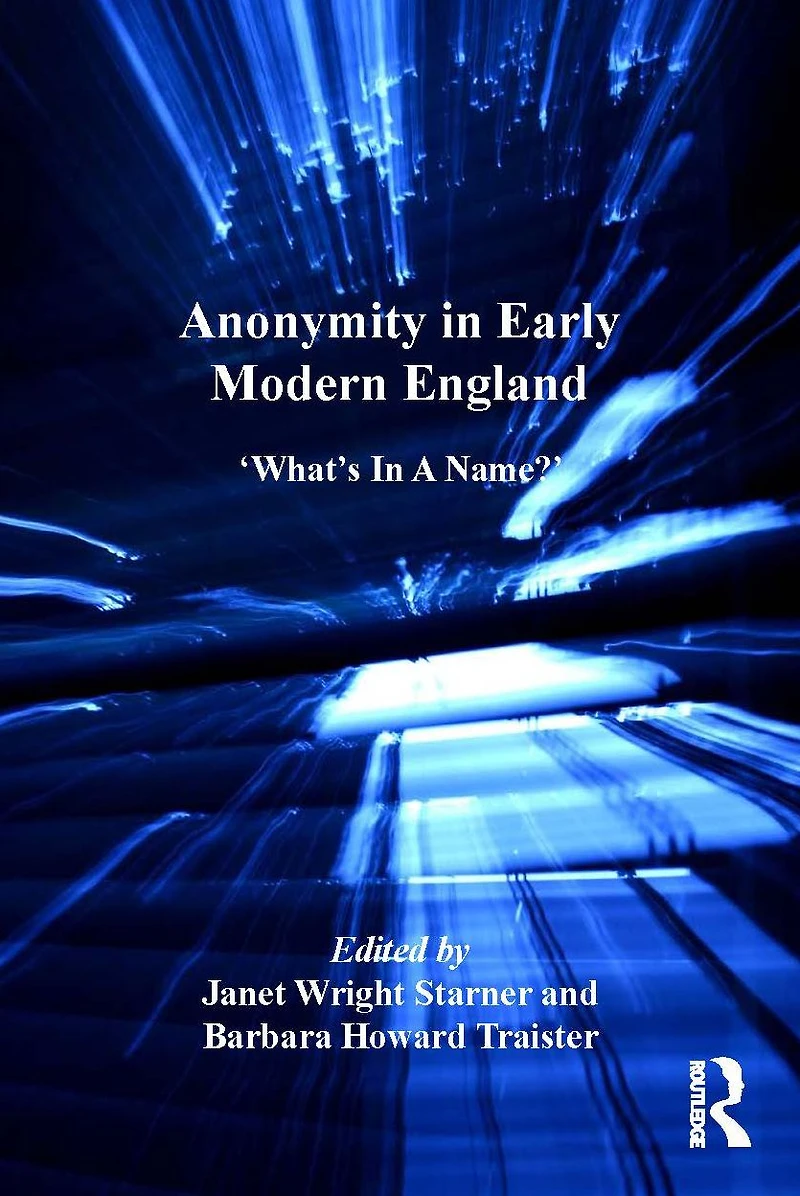
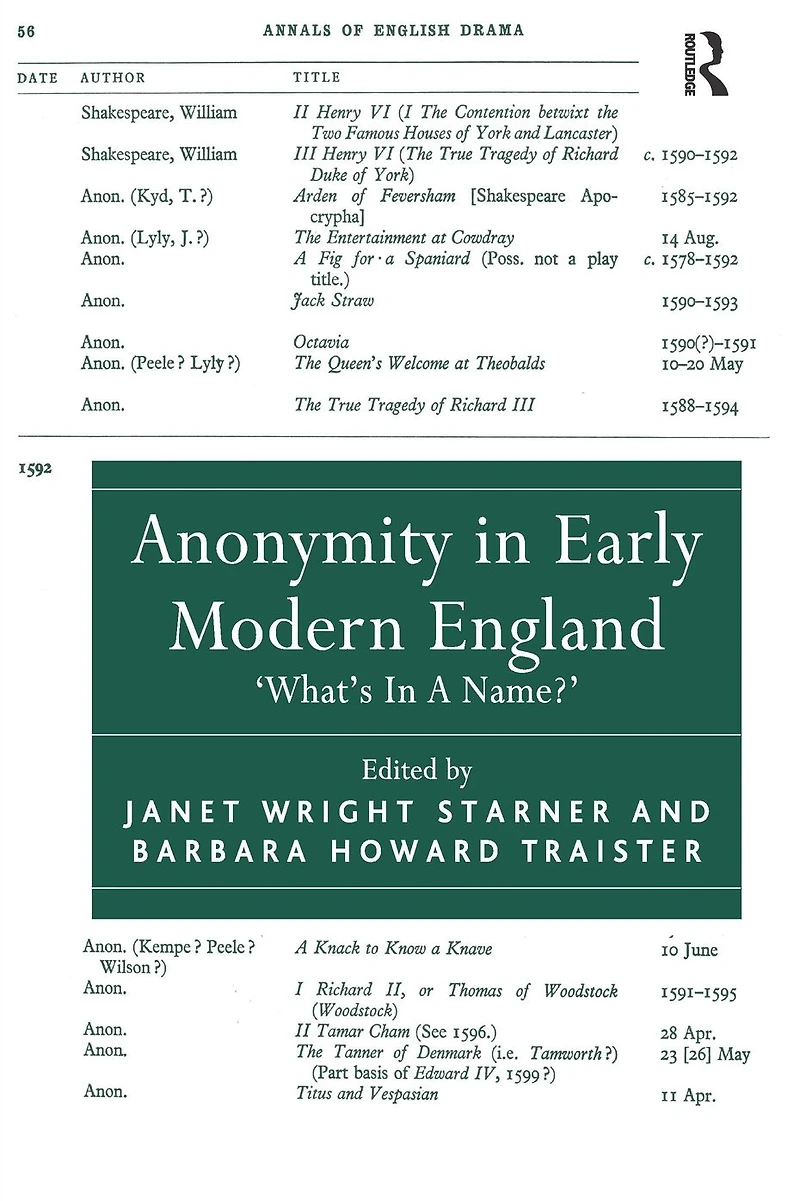
Anonymity Early Modern England: 'What's A Name?' in Bloomington, MN
By Barnes & Noble
Current price: $73.99

Anonymity Early Modern England: 'What's A Name?' in Bloomington, MN
Current price: $73.99
Loading Inventory...
Size: EBook
Expanding the scholarly conversation about anonymity in Renaissance England, this essay collection explores the phenomenon in all its variety of methods and genres as well as its complex relationship with its alter ego, attribution studies. Contributors address such questions as these: What were the consequences of publishing and reading anonymous texts for Renaissance writers and readers? What cultural constraints and subject positions made anonymous publication in print or manuscript a strategic choice? What are the possible responses to Renaissance anonymity in contemporary classrooms and scholarly debate? The volume opens with essays investigating particular texts-poetry, plays, and pamphlets-and the inflection each genre gives to the issue of anonymity. The collection then turns to consider more abstract consequences of anonymity: its function in destabilizing scholarly assumptions about authorship, its ethical ramifications, and its relationship to attribution studies.
Expanding the scholarly conversation about anonymity in Renaissance England, this essay collection explores the phenomenon in all its variety of methods and genres as well as its complex relationship with its alter ego, attribution studies. Contributors address such questions as these: What were the consequences of publishing and reading anonymous texts for Renaissance writers and readers? What cultural constraints and subject positions made anonymous publication in print or manuscript a strategic choice? What are the possible responses to Renaissance anonymity in contemporary classrooms and scholarly debate? The volume opens with essays investigating particular texts-poetry, plays, and pamphlets-and the inflection each genre gives to the issue of anonymity. The collection then turns to consider more abstract consequences of anonymity: its function in destabilizing scholarly assumptions about authorship, its ethical ramifications, and its relationship to attribution studies.
Shop Similar Products








Find at Mall of America® in Bloomington, MN
Visit at Mall of America® in Bloomington, MN