


Home
Angloscene: Compromised Personhood Afro-Chinese Translations
Barnes and Noble
Loading Inventory...
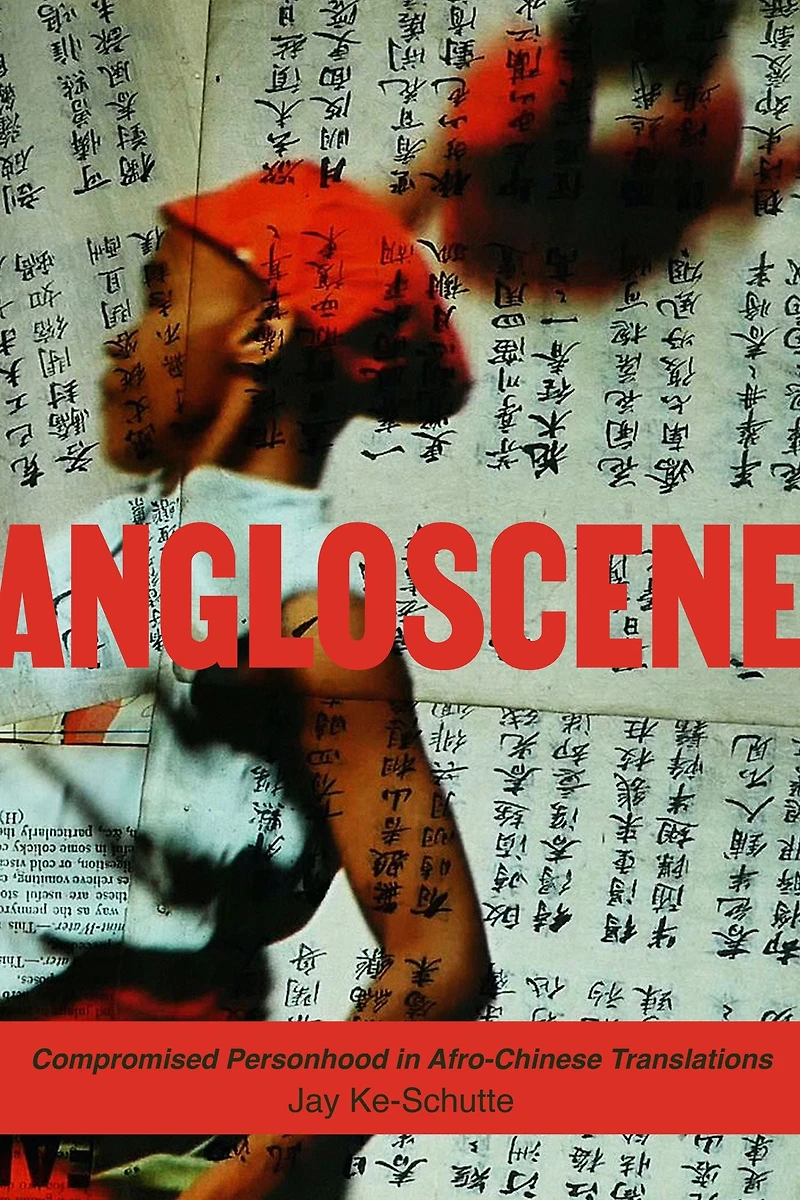
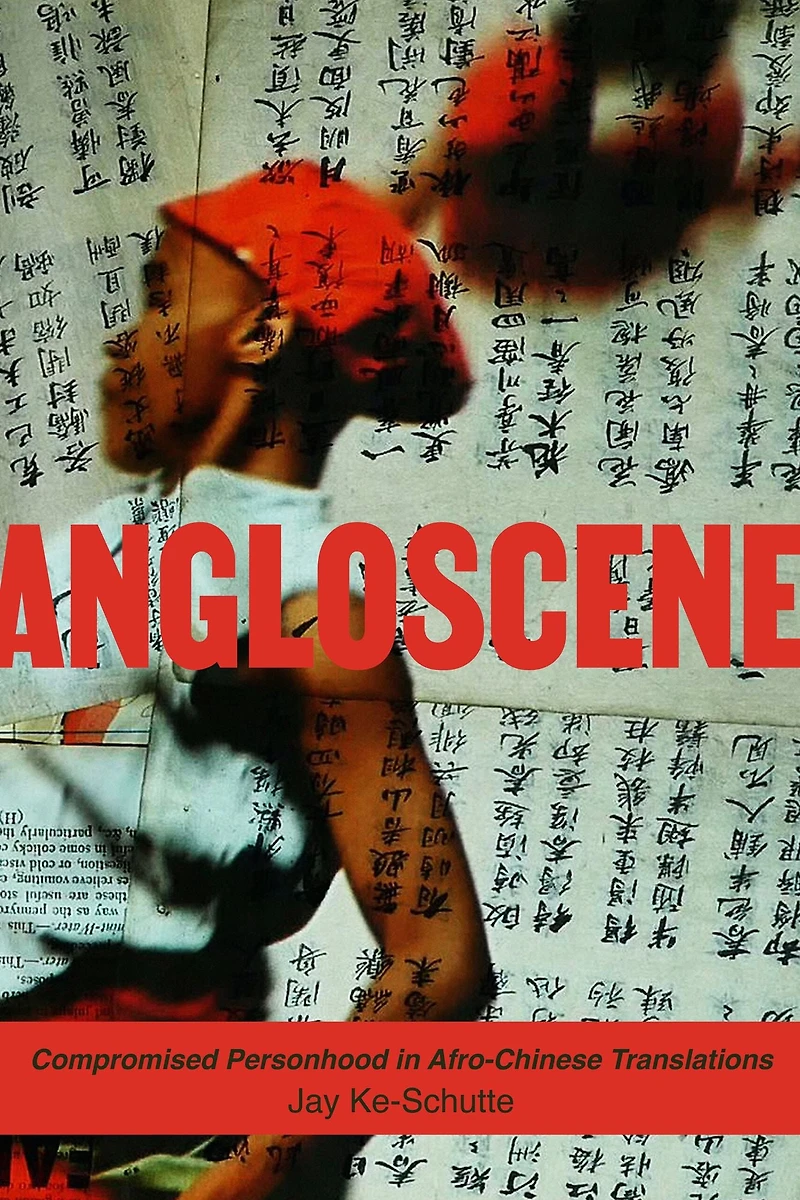
Angloscene: Compromised Personhood Afro-Chinese Translations in Bloomington, MN
By Barnes & Noble
Current price: $12.99

Angloscene: Compromised Personhood Afro-Chinese Translations in Bloomington, MN
Current price: $12.99
Loading Inventory...
Size: EBook
A free ebook version of this title is available through Luminos, University of California Press’s Open Access publishing program. Visit www.luminosoa.org to learn more.Angloscene examines AfroChinese interactions within Beijing's aspirationally cosmopolitan student class. Jay KeSchutte explores the ways in which many contemporary interactions between Chinese and African university students are mediated through complex intersectional relationships with whiteness, the English language, and cosmopolitan aspiration. At the heart of these tensions, a question persistently emerges: How does English become more than a language—and whiteness more than a race? Engaging in this inquiry, KeSchutte explores twentyfirst century AfroChinese encounters as translational events that diagram the discursive contours of a changing transnational political order—one that will certainly be shaped by African and Chinese relations.
A free ebook version of this title is available through Luminos, University of California Press’s Open Access publishing program. Visit www.luminosoa.org to learn more.Angloscene examines AfroChinese interactions within Beijing's aspirationally cosmopolitan student class. Jay KeSchutte explores the ways in which many contemporary interactions between Chinese and African university students are mediated through complex intersectional relationships with whiteness, the English language, and cosmopolitan aspiration. At the heart of these tensions, a question persistently emerges: How does English become more than a language—and whiteness more than a race? Engaging in this inquiry, KeSchutte explores twentyfirst century AfroChinese encounters as translational events that diagram the discursive contours of a changing transnational political order—one that will certainly be shaped by African and Chinese relations.
Shop Similar Products







Find at Mall of America® in Bloomington, MN
Visit at Mall of America® in Bloomington, MN