


Home
Andr?reton Exile: The Poetics of "Occultation", 1941?1947
Barnes and Noble
Loading Inventory...
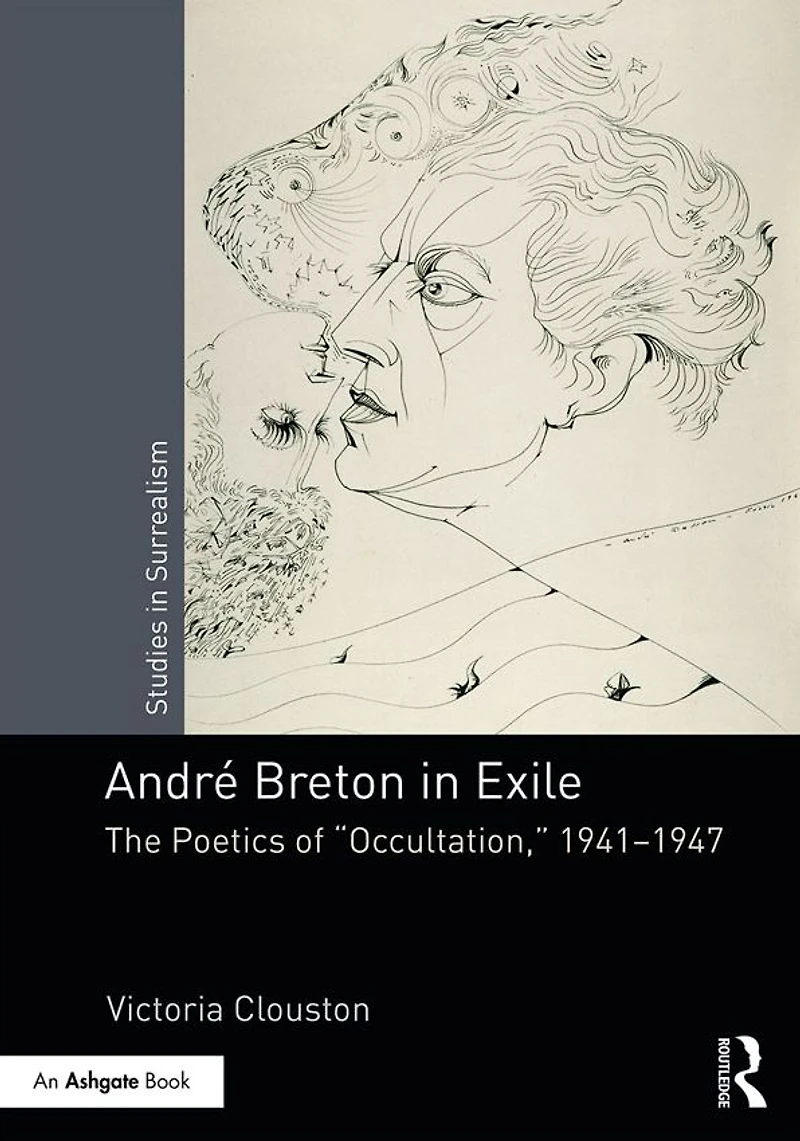

Andr?reton Exile: The Poetics of "Occultation", 1941?1947 in Bloomington, MN
By Barnes & Noble
Current price: $61.99

Andr?reton Exile: The Poetics of "Occultation", 1941?1947 in Bloomington, MN
Current price: $61.99
Loading Inventory...
Size: EBook
Following the journey of André Breton, the leader of the Surrealist movement, into exile during the Second World War, the author of this book traces the trajectory of his thought and poetic output from 1941–1948. Through a close examination of the major – and as yet little studied – works written during these years, she demonstrates how Breton’s quest for "a new myth" for the postwar world led him to widen his enquiry into hermeticism, myth, and the occult. This ground-breaking study establishes Breton’s profound intellectual debt to 19th-century Romanticism, its literature and thought, revealing how it defined his understanding of hermeticism and the occult, and examining the differences between the two. It shows how, having abandoned political action on leaving the Communist Party in 1935, Breton nonetheless held firmly to political thought, moving in his quest for a better world via Hermes Trismegistus across the utopian ideas of Charles Fourier and the "magical" practices of the Hopi Indians. The author finally reveals Breton’s misreading of the situation in postwar Paris on his return in 1946, and his failure to communicate the span of his ideas for creating a better society while at the same time maintaining a close connection between art and life.
Following the journey of André Breton, the leader of the Surrealist movement, into exile during the Second World War, the author of this book traces the trajectory of his thought and poetic output from 1941–1948. Through a close examination of the major – and as yet little studied – works written during these years, she demonstrates how Breton’s quest for "a new myth" for the postwar world led him to widen his enquiry into hermeticism, myth, and the occult. This ground-breaking study establishes Breton’s profound intellectual debt to 19th-century Romanticism, its literature and thought, revealing how it defined his understanding of hermeticism and the occult, and examining the differences between the two. It shows how, having abandoned political action on leaving the Communist Party in 1935, Breton nonetheless held firmly to political thought, moving in his quest for a better world via Hermes Trismegistus across the utopian ideas of Charles Fourier and the "magical" practices of the Hopi Indians. The author finally reveals Breton’s misreading of the situation in postwar Paris on his return in 1946, and his failure to communicate the span of his ideas for creating a better society while at the same time maintaining a close connection between art and life.
Shop Similar Products











Find at Mall of America® in Bloomington, MN
Visit at Mall of America® in Bloomington, MN