


Home
Ancestral Voices Irish Politics: Judging Dillon and Parnell
Barnes and Noble
Loading Inventory...
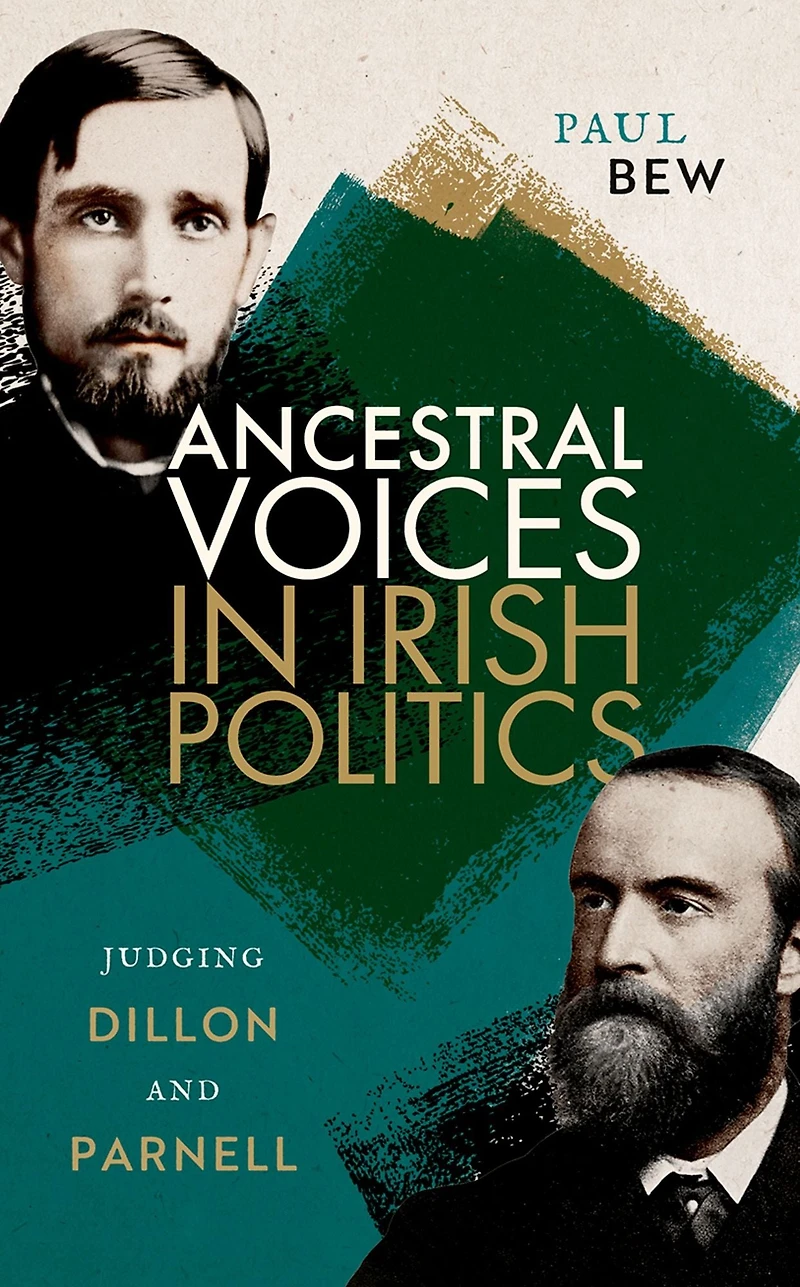
Ancestral Voices Irish Politics: Judging Dillon and Parnell in Bloomington, MN
By Barnes & Noble
Current price: $15.99

Ancestral Voices Irish Politics: Judging Dillon and Parnell in Bloomington, MN
Current price: $15.99
Loading Inventory...
Size: EBook
The story of Charles Stewart Parnell, one of the greatest Irish leaders of the nineteenth century and also one of the most renowned figures of the 1880s on the international stage, and John Dillon, the most celebrated of Parnell's lieutenants. As Paul Bew shows, the differences between the two men reflect both Ireland's past and its future.The story of Charles Stewart Parnell, one of the greatest Irish leaders of the nineteenth century and also one of the most renowned figures of the 1880s on the international stage, and John Dillon, the most celebrated, but also the most neglected, of Parnell's lieutenants. As Paul Bew shows, the differences between the two men reflect both Ireland's past and its future. Every time the principle of consent for a united Ireland is discussed today, we can perceive the legacy of both men. Even more profoundly, that legacy can be seen when Irish nationalism tries to transcend a tribalist outlook based on the historic Catholic nation, even when the country is no longer so very Catholic.
The story of Charles Stewart Parnell, one of the greatest Irish leaders of the nineteenth century and also one of the most renowned figures of the 1880s on the international stage, and John Dillon, the most celebrated of Parnell's lieutenants. As Paul Bew shows, the differences between the two men reflect both Ireland's past and its future.The story of Charles Stewart Parnell, one of the greatest Irish leaders of the nineteenth century and also one of the most renowned figures of the 1880s on the international stage, and John Dillon, the most celebrated, but also the most neglected, of Parnell's lieutenants. As Paul Bew shows, the differences between the two men reflect both Ireland's past and its future. Every time the principle of consent for a united Ireland is discussed today, we can perceive the legacy of both men. Even more profoundly, that legacy can be seen when Irish nationalism tries to transcend a tribalist outlook based on the historic Catholic nation, even when the country is no longer so very Catholic.
Shop Similar Products









Find at Mall of America® in Bloomington, MN
Visit at Mall of America® in Bloomington, MN