


Home
An Unholy Traffic: Slave Trading the Civil War South
Barnes and Noble
Loading Inventory...
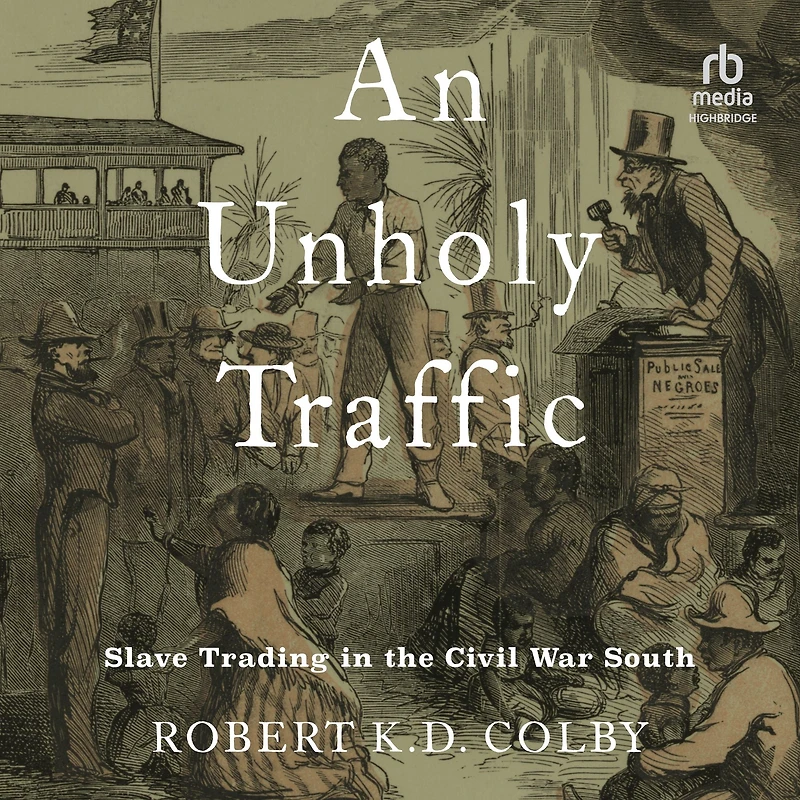
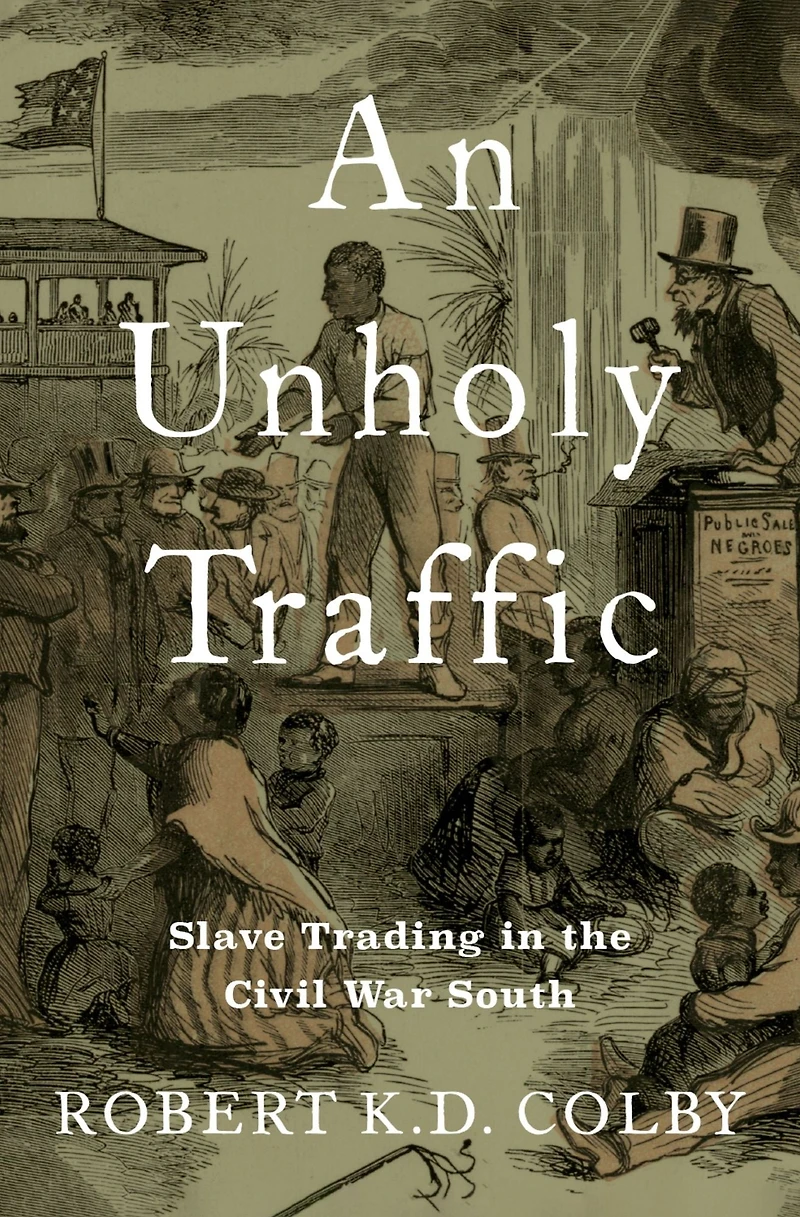
An Unholy Traffic: Slave Trading the Civil War South in Bloomington, MN
By Barnes & Noble
Current price: $19.99

An Unholy Traffic: Slave Trading the Civil War South in Bloomington, MN
Current price: $19.99
Loading Inventory...
Size: Audiobook
The Confederate States of America was born in defense of slavery and, after a four-year struggle to become an independent slaveholding republic, died as emancipation dawned. Between Fort Sumter to Appomattox, Confederates bought and sold thousands African American men, women, and children. These transactions in humanity made the internal slave trade a cornerstone of Confederate society, a bulwark of the Rebel economy, and a central part of the experience of the Civil War for all inhabiting the American South. As An Unholy Traffic shows, slave trading helped Southerners survive and fight the Civil War, as well as to build the future for which they fought. They mitigated the crises the war spawned by buying and selling enslaved people, using this commerce to navigate food shortages, unsettled gender roles, the demands of military service, and other hardships on the homefront. Some Rebels speculated wildly in human property, investing in slaves to ward off inflation and to buy shares in the slaveholding nation they hoped to create. Others traded people to counter the advance of emancipation. Given its centrality to their nationhood, Confederates went to great lengths to prolong the slave trade, which, in turn, supported the Confederacy. For those held in slavery, the surviving slave trade dramatically shaped their pursuit of freedom, inserting a retrograde movement into some people's journeys toward liberty while inspiring others to make the risky decision to escape. Offering an original perspective on the intersections of slavery, capitalism, the Civil War, and emancipation, Robert K.D. Colby illuminates the place of the peculiar institution within the Confederate mind, the ways in which it underpinned the CSA's war effort, and its impact on those attempting to seize their freedom.
The Confederate States of America was born in defense of slavery and, after a four-year struggle to become an independent slaveholding republic, died as emancipation dawned. Between Fort Sumter to Appomattox, Confederates bought and sold thousands African American men, women, and children. These transactions in humanity made the internal slave trade a cornerstone of Confederate society, a bulwark of the Rebel economy, and a central part of the experience of the Civil War for all inhabiting the American South. As An Unholy Traffic shows, slave trading helped Southerners survive and fight the Civil War, as well as to build the future for which they fought. They mitigated the crises the war spawned by buying and selling enslaved people, using this commerce to navigate food shortages, unsettled gender roles, the demands of military service, and other hardships on the homefront. Some Rebels speculated wildly in human property, investing in slaves to ward off inflation and to buy shares in the slaveholding nation they hoped to create. Others traded people to counter the advance of emancipation. Given its centrality to their nationhood, Confederates went to great lengths to prolong the slave trade, which, in turn, supported the Confederacy. For those held in slavery, the surviving slave trade dramatically shaped their pursuit of freedom, inserting a retrograde movement into some people's journeys toward liberty while inspiring others to make the risky decision to escape. Offering an original perspective on the intersections of slavery, capitalism, the Civil War, and emancipation, Robert K.D. Colby illuminates the place of the peculiar institution within the Confederate mind, the ways in which it underpinned the CSA's war effort, and its impact on those attempting to seize their freedom.
Shop Similar Products







Find at Mall of America® in Bloomington, MN
Visit at Mall of America® in Bloomington, MN