


Home
An Afterlife for the Khan: Muslims, Buddhists, and Sacred Kingship Mongol Iran Eurasia
Barnes and Noble
Loading Inventory...
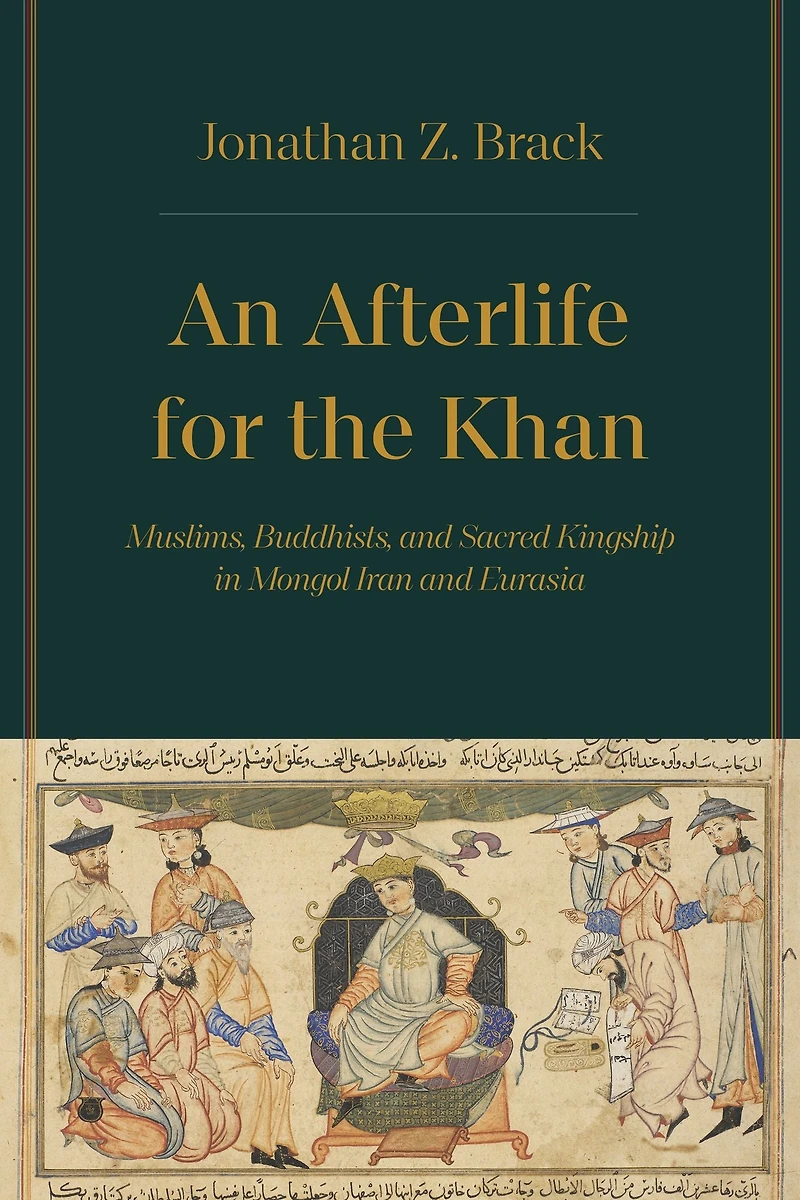
An Afterlife for the Khan: Muslims, Buddhists, and Sacred Kingship Mongol Iran Eurasia in Bloomington, MN
By Barnes & Noble
Current price: $95.00

An Afterlife for the Khan: Muslims, Buddhists, and Sacred Kingship Mongol Iran Eurasia in Bloomington, MN
Current price: $95.00
Loading Inventory...
Size: EBook
In the Mongol Empire, the interfaith court provided a contested arena for a performance of the Mongol ruler’s sacred kingship, and the debate was fiercely ideological and religious. At the court of the newly established Ilkhanate, Muslim administrators, Buddhist monks, and Christian clergy all attempted to sway their imperial overlords, arguing fiercely over the proper role of the king and his government, with momentous and far-reaching consequences. Focusing on the famous but understudied figure of the grand vizier Rashid al-Din, a Persian Jew who converted to Islam, Jonathan Z. Brack explores the myriad ways Rashid al-Din and his fellow courtiers investigated, reformulated, and transformed long-standing ideas of authority and power. Out of this intellectual ferment of accommodation, resistance, and experimentation, they developed a completely new understanding of sacred kingship. This new ideal, and the political theology it subtends, would go on to become a central justification in imperial projects across Eurasia in the centuries that followed. An Afterlife for the Khan offers a powerful cultural and intellectual history of this pivotal moment for Islam and empire in the Middle East and Asia.
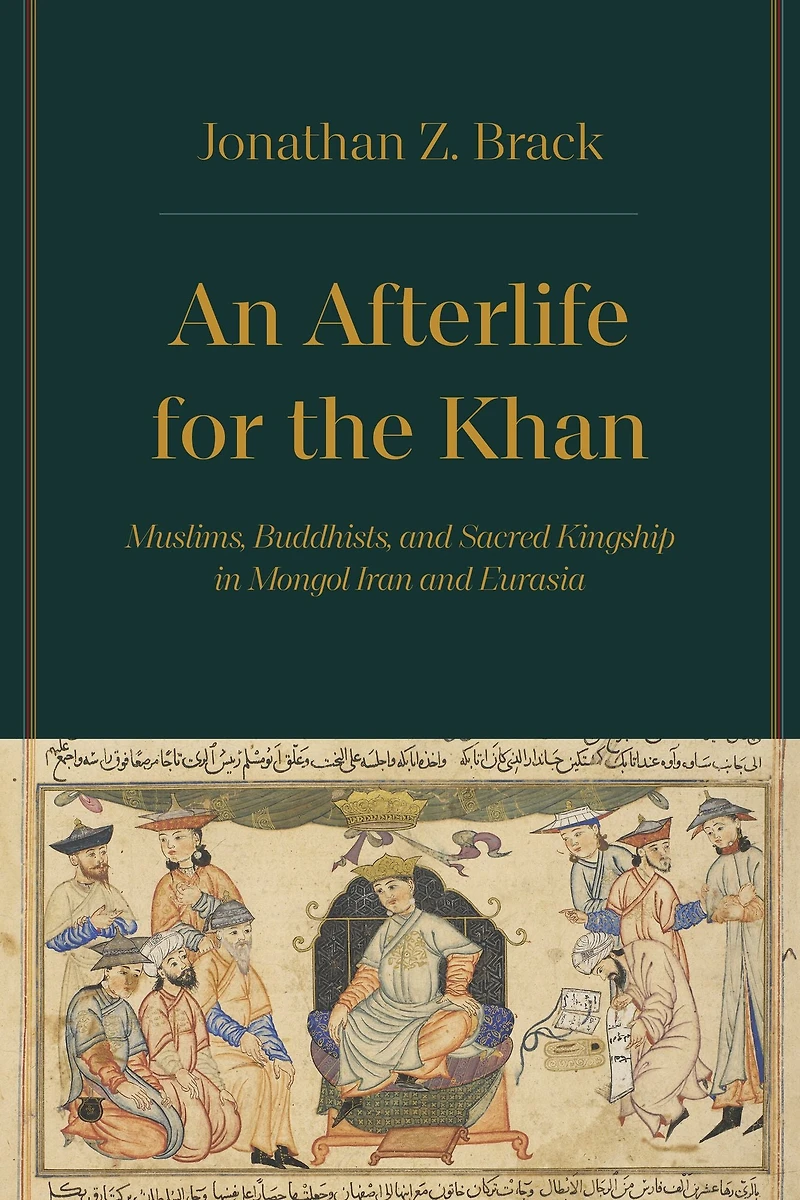
In the Mongol Empire, the interfaith court provided a contested arena for a performance of the Mongol ruler’s sacred kingship, and the debate was fiercely ideological and religious. At the court of the newly established Ilkhanate, Muslim administrators, Buddhist monks, and Christian clergy all attempted to sway their imperial overlords, arguing fiercely over the proper role of the king and his government, with momentous and far-reaching consequences. Focusing on the famous but understudied figure of the grand vizier Rashid al-Din, a Persian Jew who converted to Islam, Jonathan Z. Brack explores the myriad ways Rashid al-Din and his fellow courtiers investigated, reformulated, and transformed long-standing ideas of authority and power. Out of this intellectual ferment of accommodation, resistance, and experimentation, they developed a completely new understanding of sacred kingship. This new ideal, and the political theology it subtends, would go on to become a central justification in imperial projects across Eurasia in the centuries that followed. An Afterlife for the Khan offers a powerful cultural and intellectual history of this pivotal moment for Islam and empire in the Middle East and Asia.
Shop Similar Products










Find at Mall of America® in Bloomington, MN
Visit at Mall of America® in Bloomington, MN