


Home
African Freedom: How Africa Responded to Independence
Barnes and Noble
Loading Inventory...
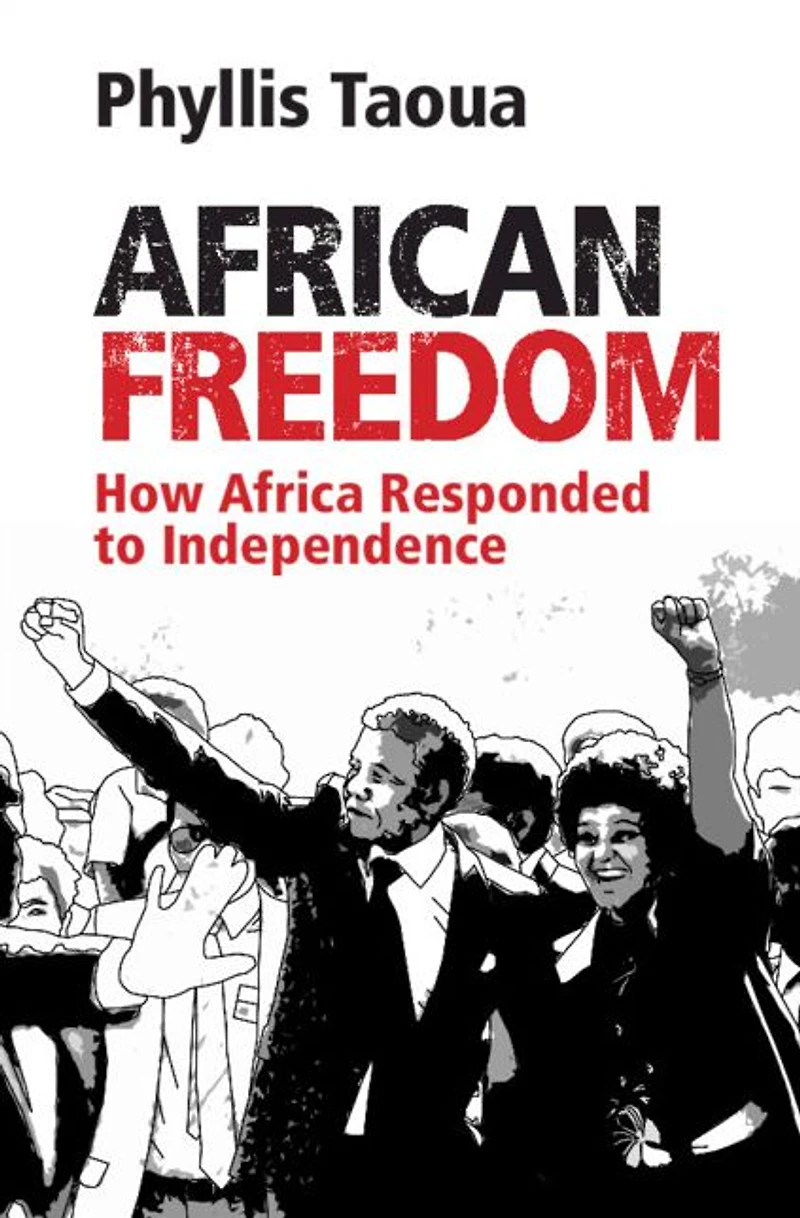
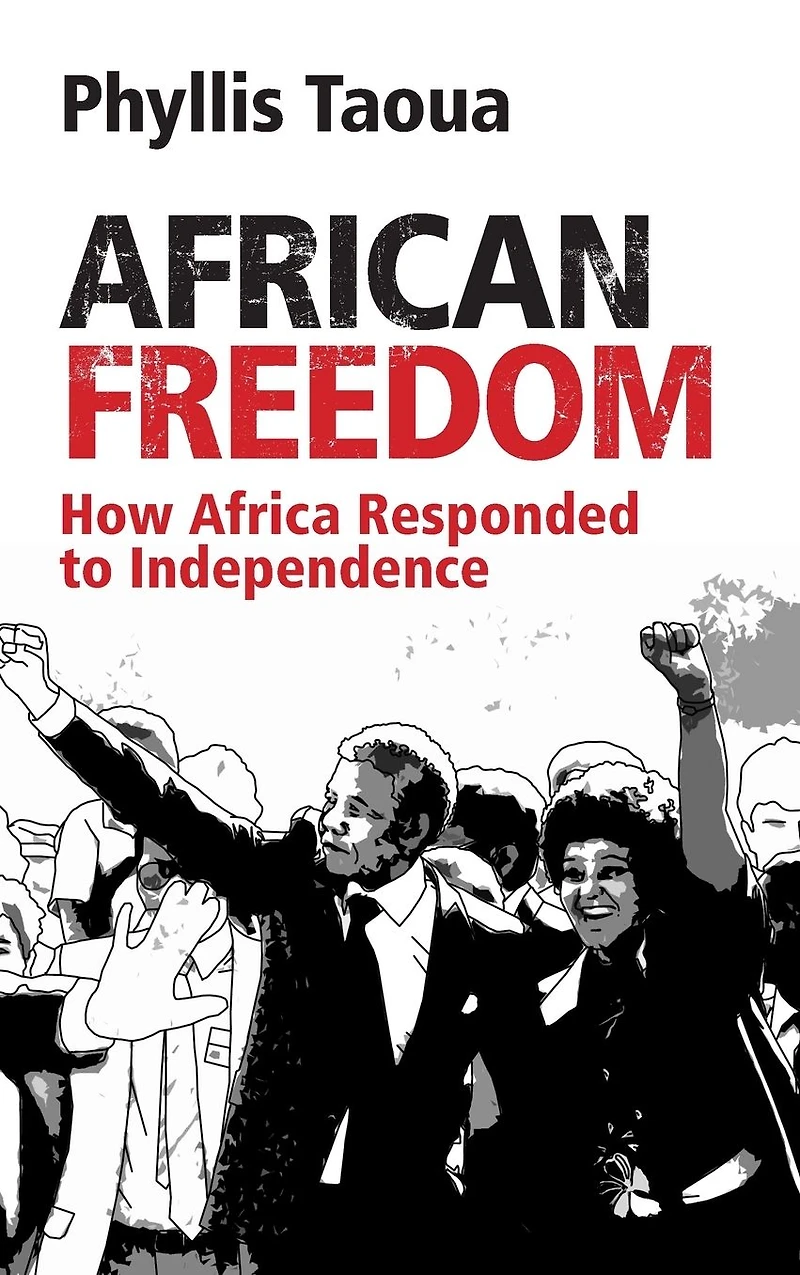
African Freedom: How Africa Responded to Independence in Bloomington, MN
By Barnes & Noble
Current price: $37.00

African Freedom: How Africa Responded to Independence in Bloomington, MN
Current price: $37.00
Loading Inventory...
Size: EBook
The push for independence in African nations was ultimately an incomplete process, with the people often left to wrestle with a partial, imperfect legacy. Rather than settle for liberation in name alone, the people engaged in an ongoing struggle for meaningful freedom. Phyllis Taoua shows how the idea of freedom in Africa today evolved from this complex history. With a pan-African, interdisciplinary approach, she synthesizes the most significant issues into a clear, compelling narrative. Tracing the evolution of a conversation about freedom since the 1960s, she defines three types and shows how they are interdependent. Taoua investigates their importance in key areas of narrative interest: the intimate self, gender identity, the nation, global capital, and the spiritual realm. Allowing us to hear the voices of African artists and activists, this compelling study makes sense of their struggle and the broad importance of the idea of freedom in contemporary African culture.
The push for independence in African nations was ultimately an incomplete process, with the people often left to wrestle with a partial, imperfect legacy. Rather than settle for liberation in name alone, the people engaged in an ongoing struggle for meaningful freedom. Phyllis Taoua shows how the idea of freedom in Africa today evolved from this complex history. With a pan-African, interdisciplinary approach, she synthesizes the most significant issues into a clear, compelling narrative. Tracing the evolution of a conversation about freedom since the 1960s, she defines three types and shows how they are interdependent. Taoua investigates their importance in key areas of narrative interest: the intimate self, gender identity, the nation, global capital, and the spiritual realm. Allowing us to hear the voices of African artists and activists, this compelling study makes sense of their struggle and the broad importance of the idea of freedom in contemporary African culture.
Shop Similar Products













Find at Mall of America® in Bloomington, MN
Visit at Mall of America® in Bloomington, MN