


Home
Aesthetics of Fraudulence Nineteenth-Century France: Frauds, Hoaxes, and Counterfeits
Barnes and Noble
Loading Inventory...

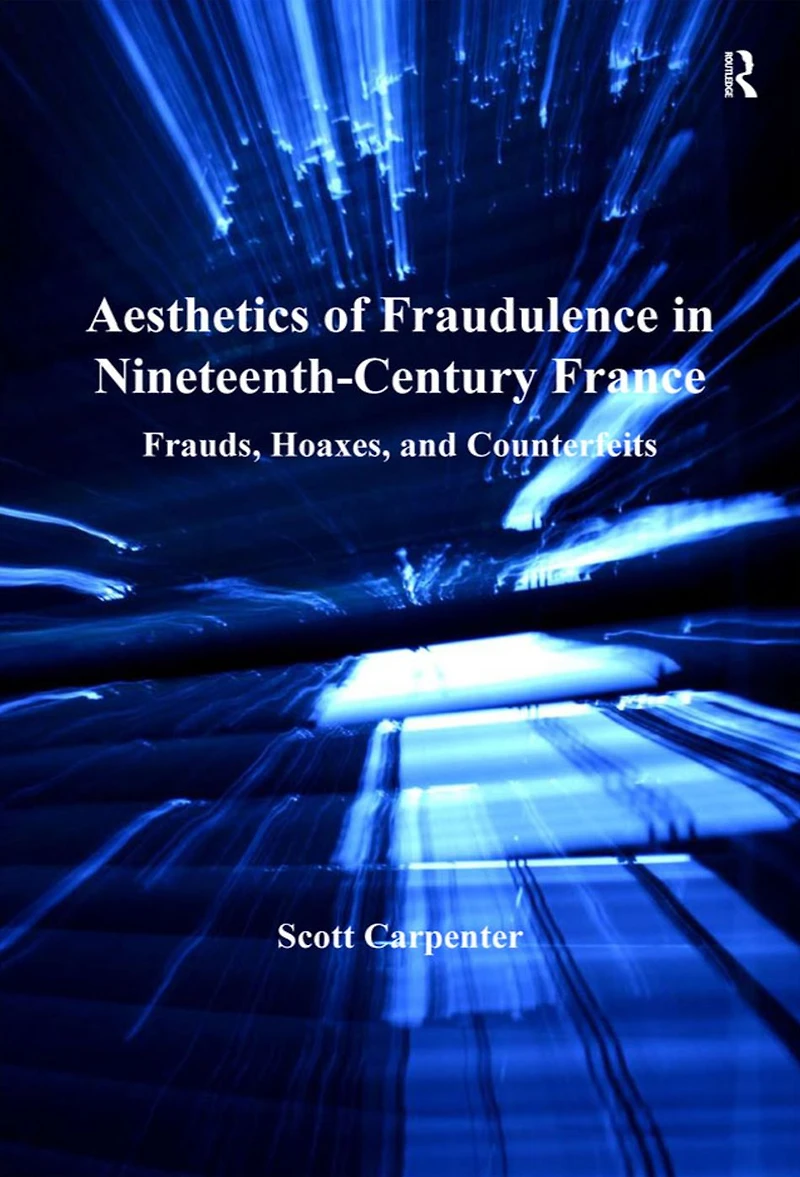
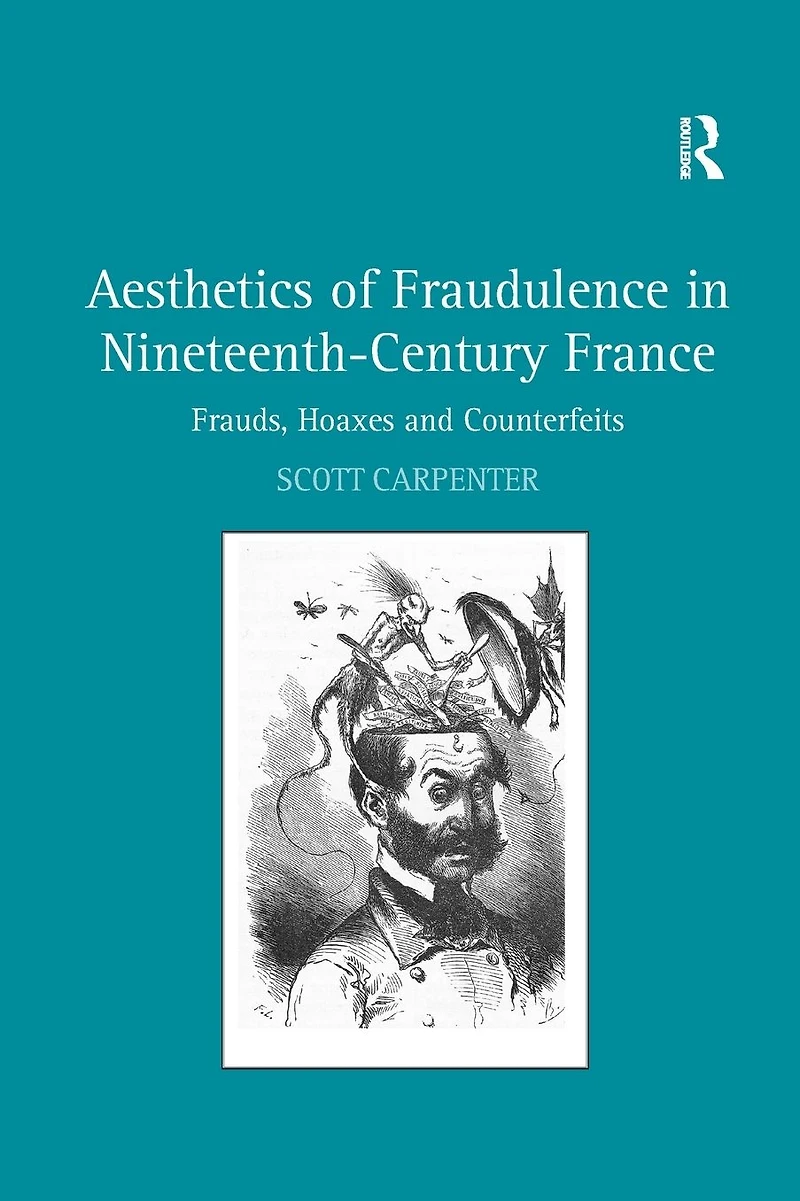
Aesthetics of Fraudulence Nineteenth-Century France: Frauds, Hoaxes, and Counterfeits in Bloomington, MN
By Barnes & Noble
Current price: $149.95

Aesthetics of Fraudulence Nineteenth-Century France: Frauds, Hoaxes, and Counterfeits in Bloomington, MN
Current price: $149.95
Loading Inventory...
Size: EBook
In his engagingly written and original book, Scott Carpenter analyzes multiple manifestations of the false in nineteenth-century France. Under Carpenter's thorough and systematic analysis, fraudulence emerges as a cultural preoccupation in nineteenth-century literature and society, whether it be in the form of literary mystifications, the thematic portrayal of frauds, or the privileging of falseness as an aesthetic principle. Focusing particularly on the aesthetics of fraudulence in works by Mérimée, Balzac, Baudelaire, Vidocq, Sand, and others, Carpenter places these literary representations within the context of other cultural phenomena, such as caricature, political history, and ceremonial events. As he highlights the special relationship between literary fiction and fraudulence, Carpenter argues that falseness arises as an aesthetic preoccupation in post-revolutionary France, where it introduces a blurring of limits between hitherto discrete categories. This transgression of boundaries challenges notions of authenticity and sincerity, categories that Romantic aesthetics championed at the beginning of the nineteenth century in France. Carpenter's study makes an important contribution to the cultural significance of mystification in nineteenth-century France and furthers our understanding of French literature and cultural history.
In his engagingly written and original book, Scott Carpenter analyzes multiple manifestations of the false in nineteenth-century France. Under Carpenter's thorough and systematic analysis, fraudulence emerges as a cultural preoccupation in nineteenth-century literature and society, whether it be in the form of literary mystifications, the thematic portrayal of frauds, or the privileging of falseness as an aesthetic principle. Focusing particularly on the aesthetics of fraudulence in works by Mérimée, Balzac, Baudelaire, Vidocq, Sand, and others, Carpenter places these literary representations within the context of other cultural phenomena, such as caricature, political history, and ceremonial events. As he highlights the special relationship between literary fiction and fraudulence, Carpenter argues that falseness arises as an aesthetic preoccupation in post-revolutionary France, where it introduces a blurring of limits between hitherto discrete categories. This transgression of boundaries challenges notions of authenticity and sincerity, categories that Romantic aesthetics championed at the beginning of the nineteenth century in France. Carpenter's study makes an important contribution to the cultural significance of mystification in nineteenth-century France and furthers our understanding of French literature and cultural history.
Shop Similar Products












Find at Mall of America® in Bloomington, MN
Visit at Mall of America® in Bloomington, MN