


Home
Across The Great Divide: Sent-down Youth Movement Mao's China, 1968-1980
Barnes and Noble
Loading Inventory...
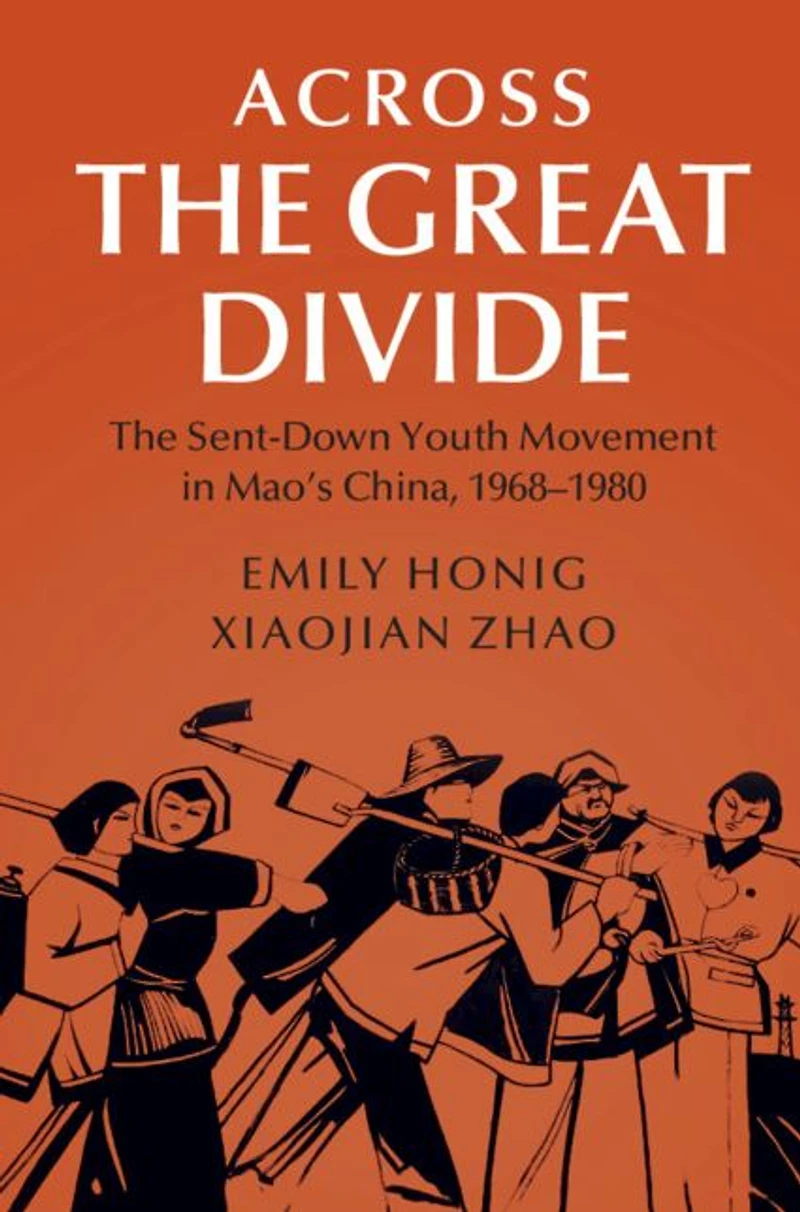

Across The Great Divide: Sent-down Youth Movement Mao's China, 1968-1980 in Bloomington, MN
By Barnes & Noble
Current price: $35.00

Across The Great Divide: Sent-down Youth Movement Mao's China, 1968-1980 in Bloomington, MN
Current price: $35.00
Loading Inventory...
Size: EBook
The sent-down youth movement, a Maoist project that relocated urban youth to remote rural areas for 're-education', is often viewed as a defining feature of China's Cultural Revolution and emblematic of the intense suffering and hardship of the period. Drawing on rich archival research focused on Shanghai's youth in village settlements in remote regions, this history of the movement pays particular attention to how it was informed by and affected the critical issue of urban-rural relations in the People's Republic of China. It highlights divisions, as well as connections, created by the movement, particularly the conflicts and collaborations between urban and rural officials. Instead of chronicling a story of victims of a monolithic state, Honig and Zhao show how participants in the movement - the sent-down youth, their parents, and local government officials - disregarded, circumvented, and manipulated state policy, ultimately undermining a decade-long Maoist project.
The sent-down youth movement, a Maoist project that relocated urban youth to remote rural areas for 're-education', is often viewed as a defining feature of China's Cultural Revolution and emblematic of the intense suffering and hardship of the period. Drawing on rich archival research focused on Shanghai's youth in village settlements in remote regions, this history of the movement pays particular attention to how it was informed by and affected the critical issue of urban-rural relations in the People's Republic of China. It highlights divisions, as well as connections, created by the movement, particularly the conflicts and collaborations between urban and rural officials. Instead of chronicling a story of victims of a monolithic state, Honig and Zhao show how participants in the movement - the sent-down youth, their parents, and local government officials - disregarded, circumvented, and manipulated state policy, ultimately undermining a decade-long Maoist project.
Shop Similar Products













Find at Mall of America® in Bloomington, MN
Visit at Mall of America® in Bloomington, MN