


Home
A History of the Electron: J. and G. P. Thomson
Barnes and Noble
Loading Inventory...
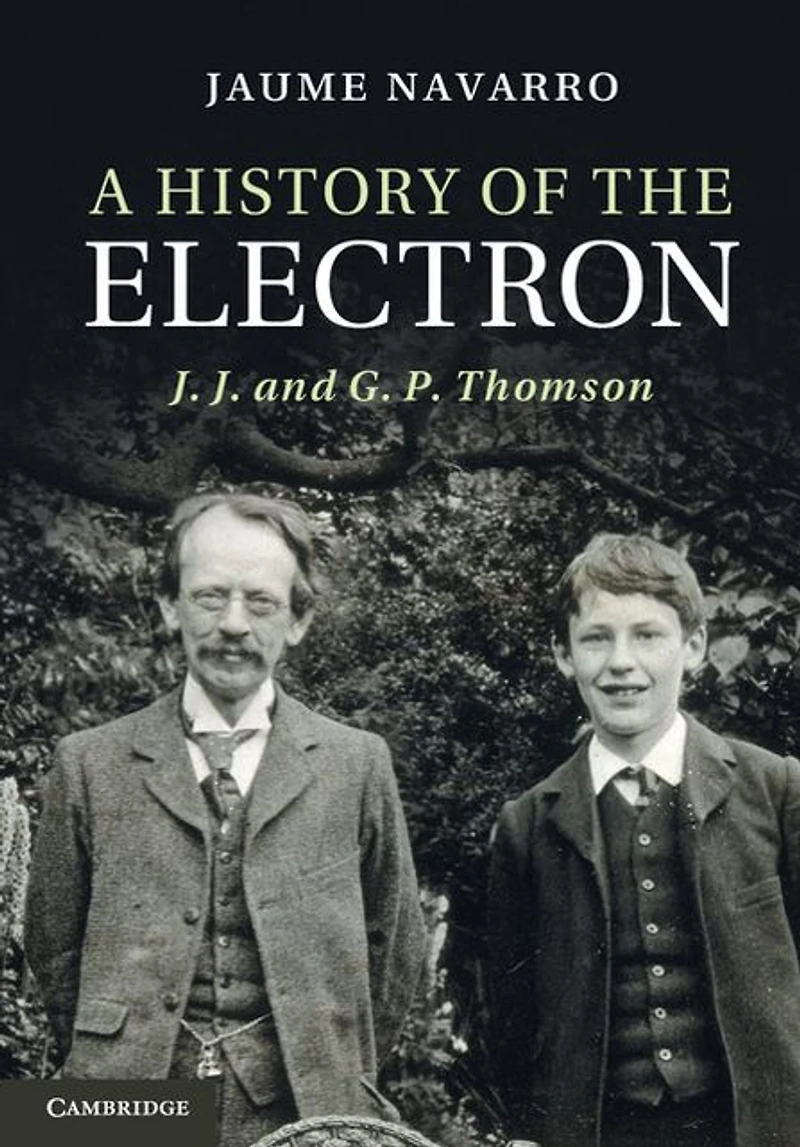
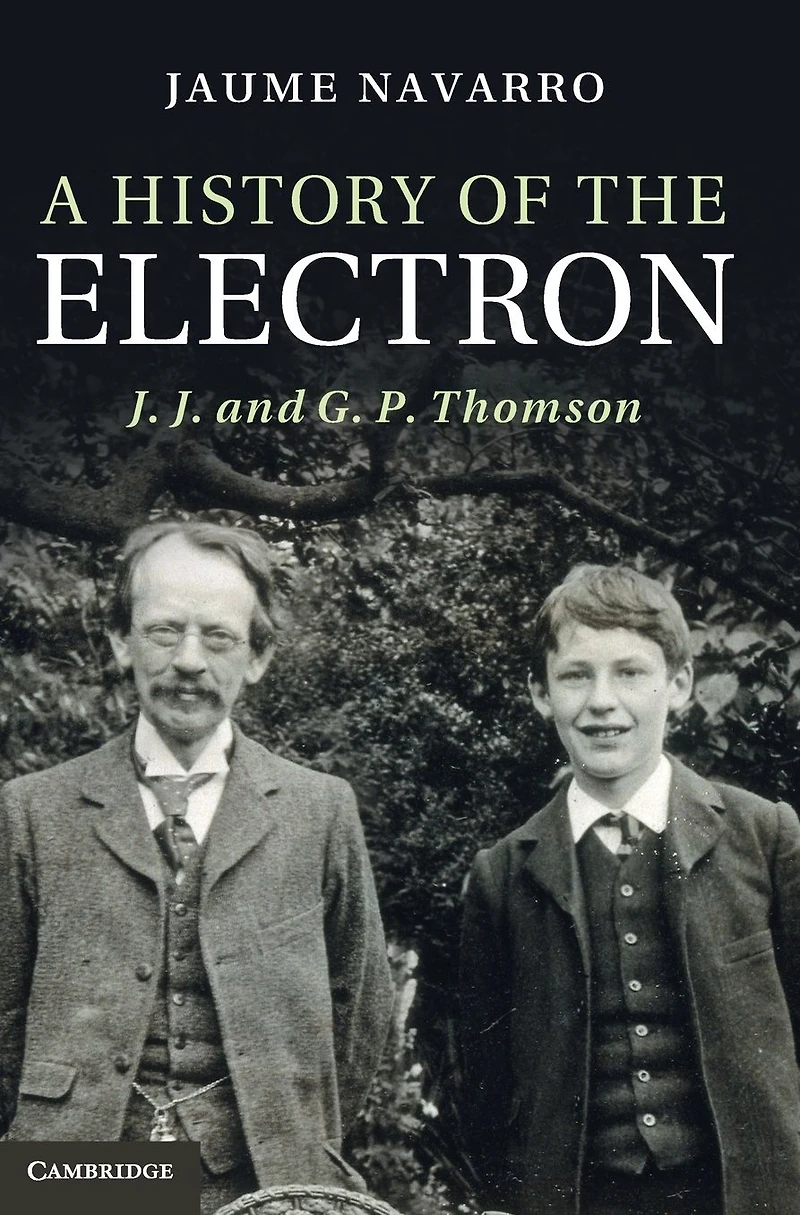
A History of the Electron: J. and G. P. Thomson in Bloomington, MN
By Barnes & Noble
Current price: $53.00

A History of the Electron: J. and G. P. Thomson in Bloomington, MN
Current price: $53.00
Loading Inventory...
Size: EBook
Two landmarks in the history of physics are the discovery of the particulate nature of cathode rays (the electron) by J. J. Thomson in 1897 and the experimental demonstration by his son G. P. Thomson in 1927 that the electron exhibits the properties of a wave. Together, the Thomsons are two of the most significant figures in modern physics, both winning Nobel prizes for their work. This book presents the intellectual biographies of the father-and-son physicists, shedding new light on their combined understanding of the nature of electrons and, by extension, of the continuous nature of matter. It is the first text to explore J. J. Thomson's early and later work, as well as the role he played in G. P. Thomson's education as a physicist and how he reacted to his son's discovery of electron diffraction. This fresh perspective will interest academics and graduate students working in the history of early twentieth-century physics.
Two landmarks in the history of physics are the discovery of the particulate nature of cathode rays (the electron) by J. J. Thomson in 1897 and the experimental demonstration by his son G. P. Thomson in 1927 that the electron exhibits the properties of a wave. Together, the Thomsons are two of the most significant figures in modern physics, both winning Nobel prizes for their work. This book presents the intellectual biographies of the father-and-son physicists, shedding new light on their combined understanding of the nature of electrons and, by extension, of the continuous nature of matter. It is the first text to explore J. J. Thomson's early and later work, as well as the role he played in G. P. Thomson's education as a physicist and how he reacted to his son's discovery of electron diffraction. This fresh perspective will interest academics and graduate students working in the history of early twentieth-century physics.
Shop Similar Products













Find at Mall of America® in Bloomington, MN
Visit at Mall of America® in Bloomington, MN