


Home
A Cultural History of the Home Medieval Age
Barnes and Noble
Loading Inventory...
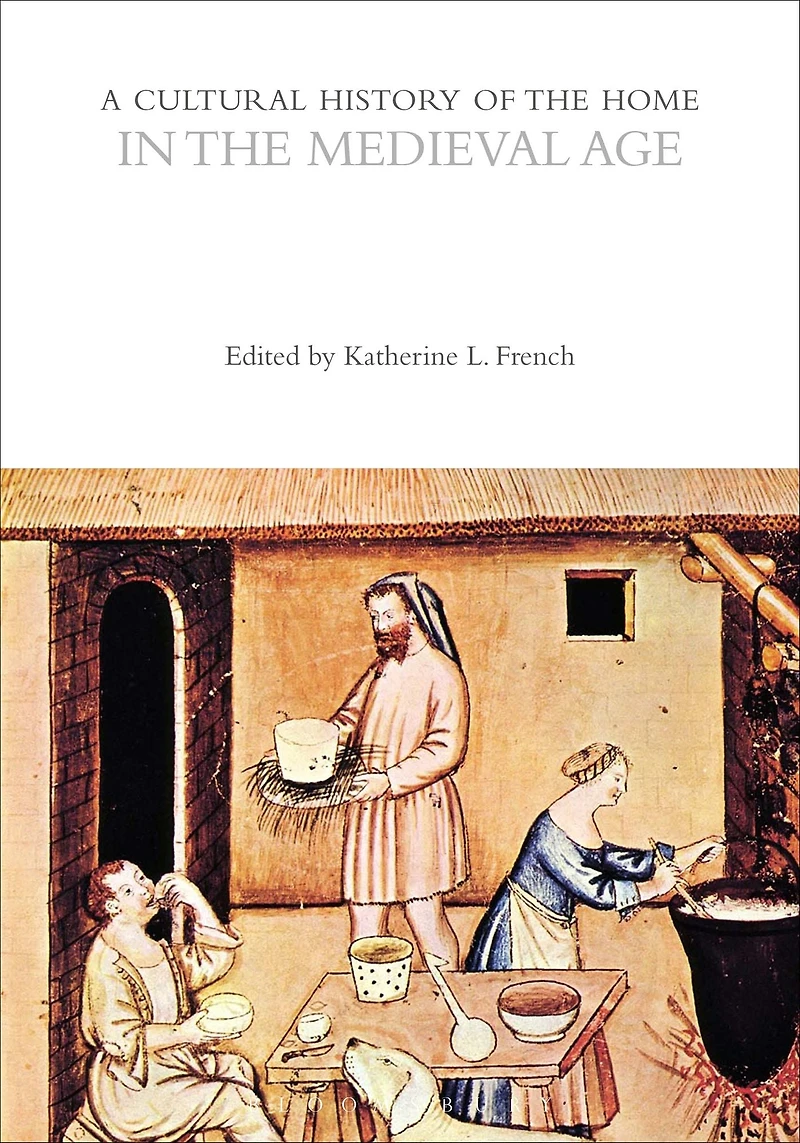
A Cultural History of the Home Medieval Age in Bloomington, MN
By Barnes & Noble
Current price: $115.00

A Cultural History of the Home Medieval Age in Bloomington, MN
Current price: $115.00
Loading Inventory...
Size: Hardcover
The period covered by this volume, roughly 8001450, was one of enormous change in the way people lived in their houses. Medieval people could call a grand castle, a humble thatched hut, or anything in between home, but houses were more than physical spaces. They changed according to technological developments, climatic needs, geological limitations and economic resources. They were also moral units that were themselves symbolic, economic, gendered, and social.At the beginning of our period, the movement of people, goods, and ideas, and the need for defense against some of this movement had an impact on how and where people lived. The codification of laws shaped how people understood the physical integrity of their homes, the reception they should give to those who wanted to enter, and their identification with the house itself. As European economies expanded in the twelfth century, householders increasingly had access to items that changed their daytoday lives within their houses. This volume argues that through a house and its uses, occupants created, sustained, and understood their relationship to each other and their society.
The period covered by this volume, roughly 8001450, was one of enormous change in the way people lived in their houses. Medieval people could call a grand castle, a humble thatched hut, or anything in between home, but houses were more than physical spaces. They changed according to technological developments, climatic needs, geological limitations and economic resources. They were also moral units that were themselves symbolic, economic, gendered, and social.At the beginning of our period, the movement of people, goods, and ideas, and the need for defense against some of this movement had an impact on how and where people lived. The codification of laws shaped how people understood the physical integrity of their homes, the reception they should give to those who wanted to enter, and their identification with the house itself. As European economies expanded in the twelfth century, householders increasingly had access to items that changed their daytoday lives within their houses. This volume argues that through a house and its uses, occupants created, sustained, and understood their relationship to each other and their society.
Shop Similar Products













Find at Mall of America® in Bloomington, MN
Visit at Mall of America® in Bloomington, MN